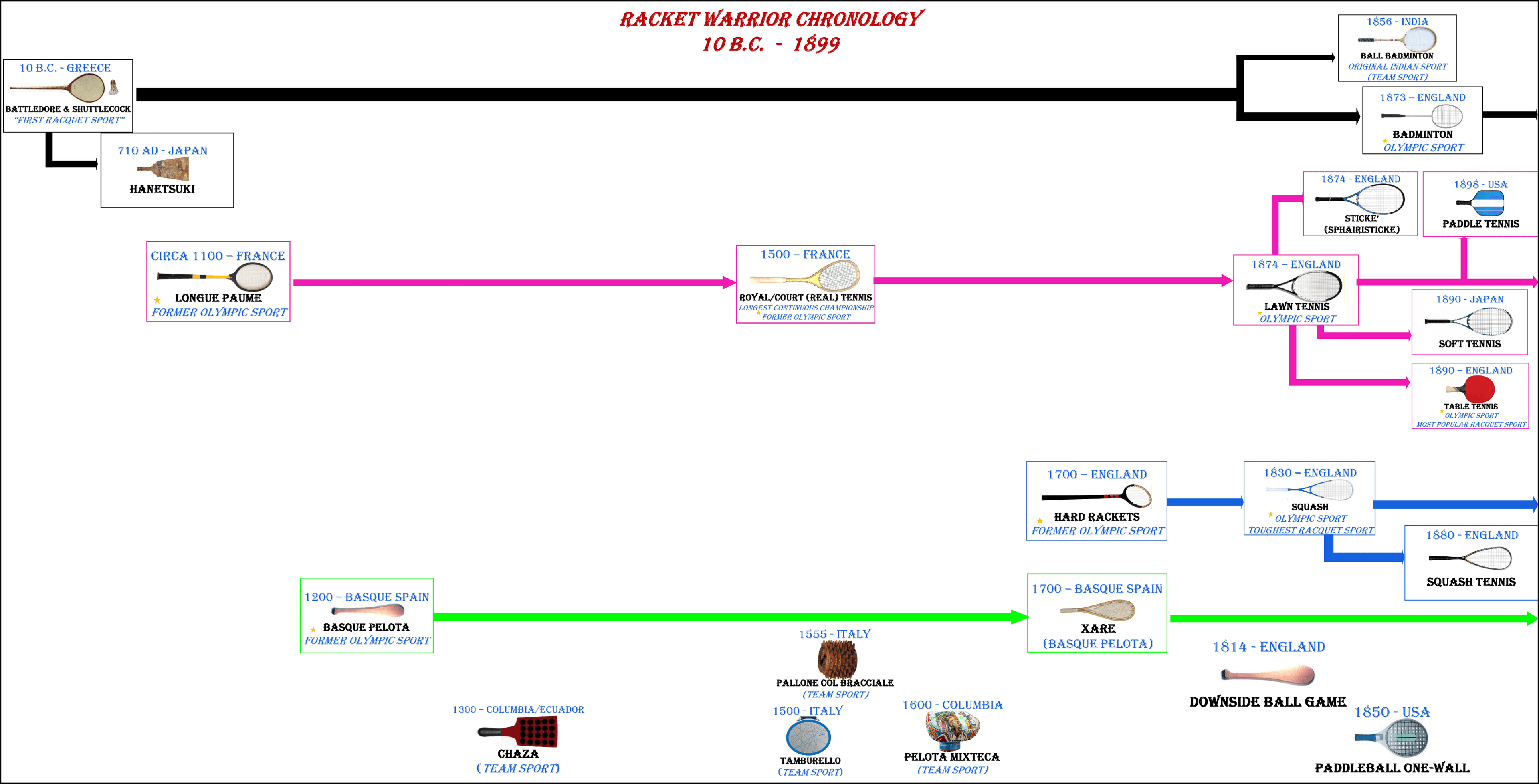
Racket Warrior Chronology 10 B.C - 1899
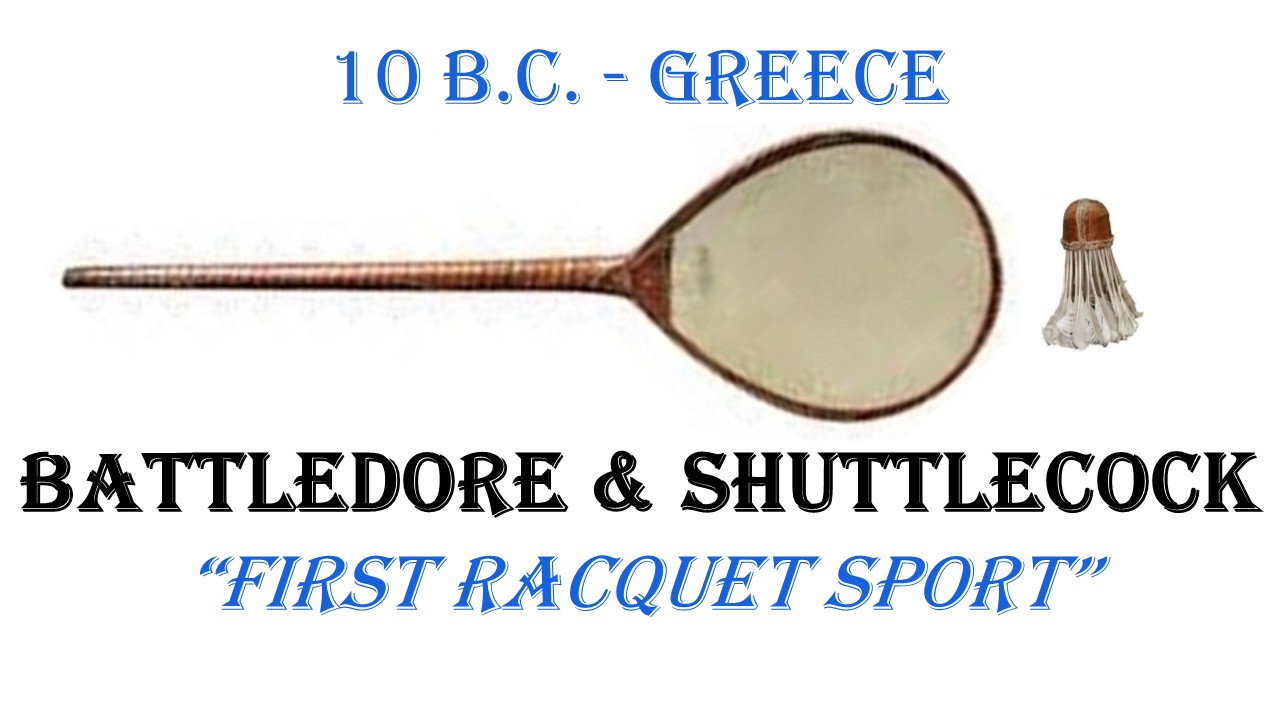
The story of racquet sports stretches back centuries, beginning with simple hand-and-ball games and early paddle-and-shuttle activities. Games resembling battledore and shuttlecock were played in ancient civilizations, while the clearest roots of modern tennis emerged in medieval France through jeu de paume, or “game of the hand.” Over time, gloves, wooden bats, and eventually strung racquets transformed the way these games were played.
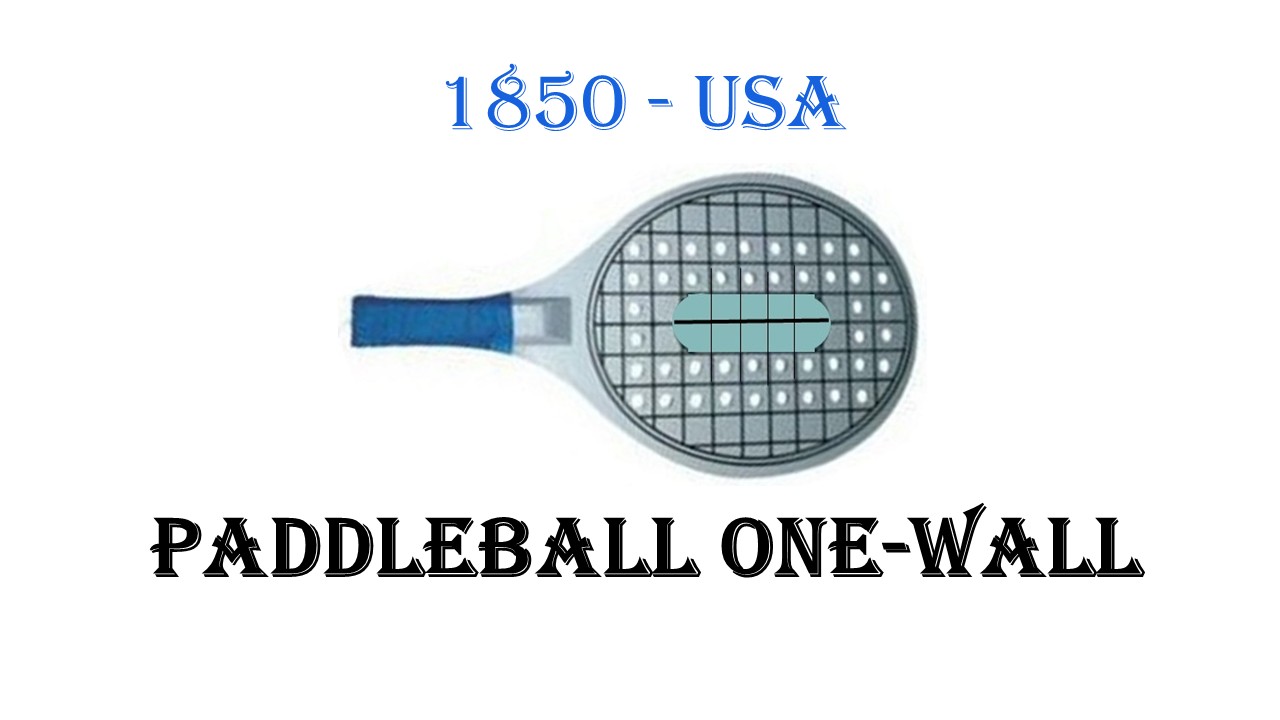
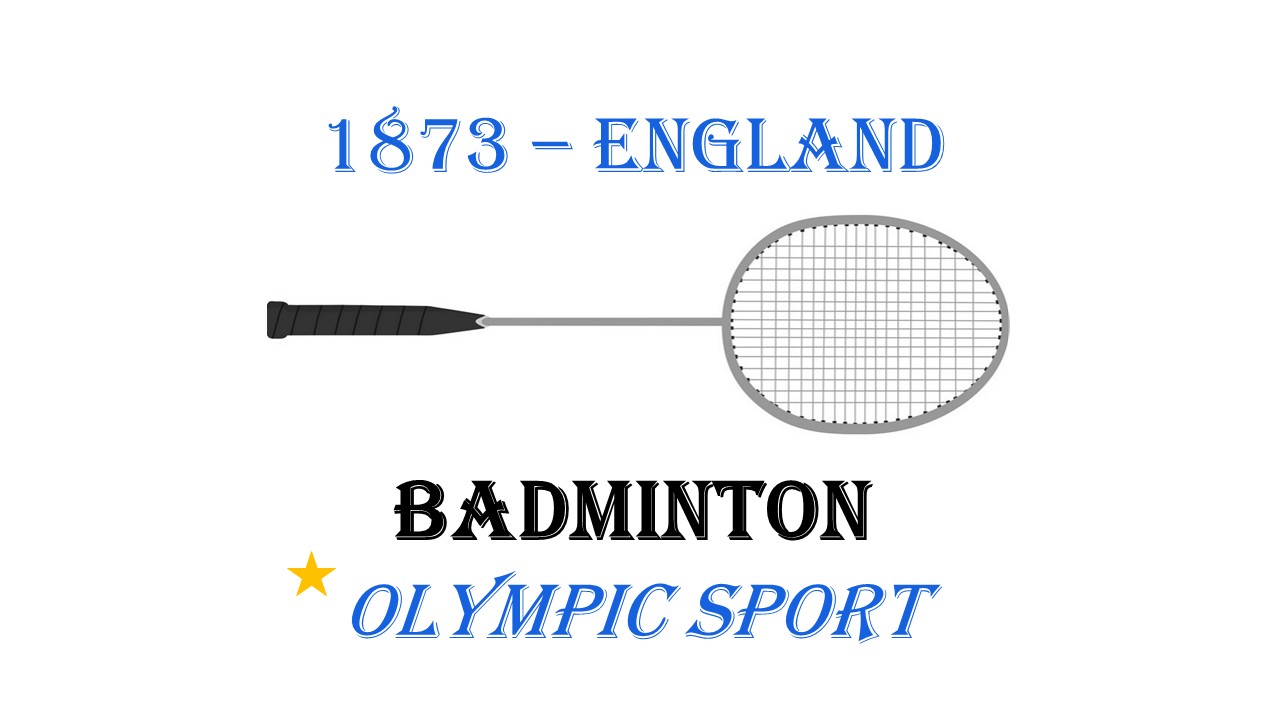
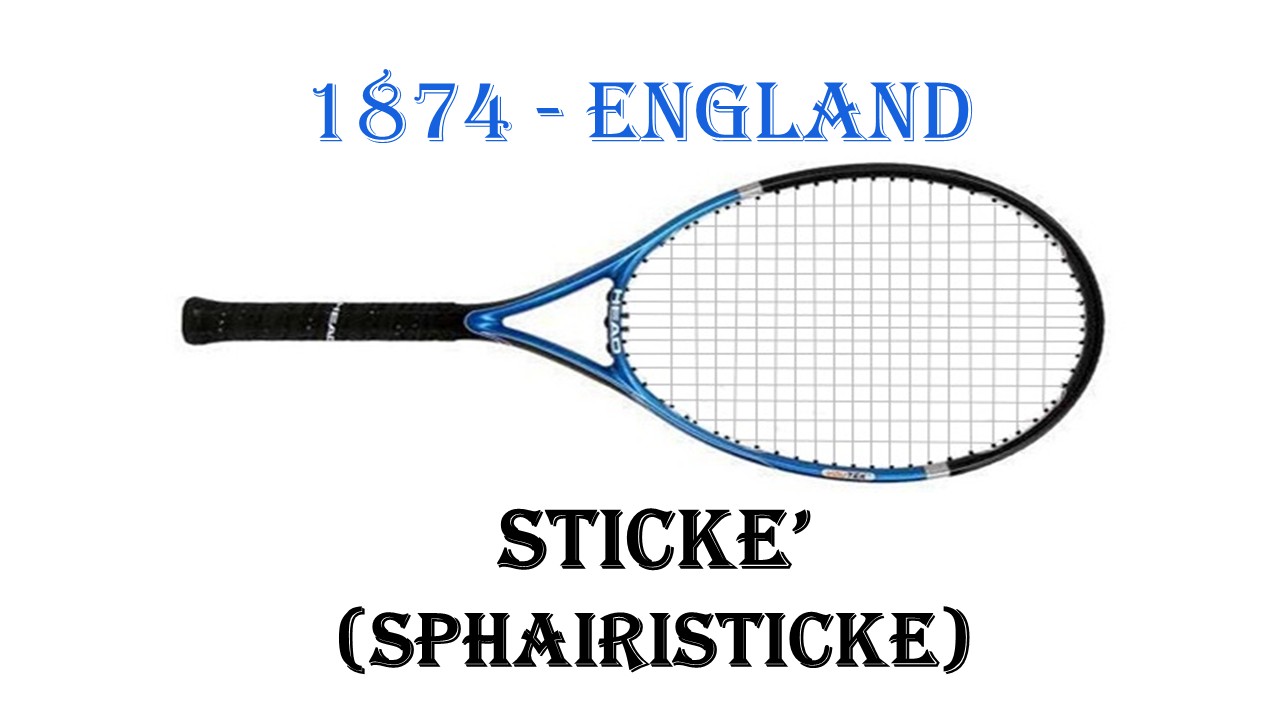
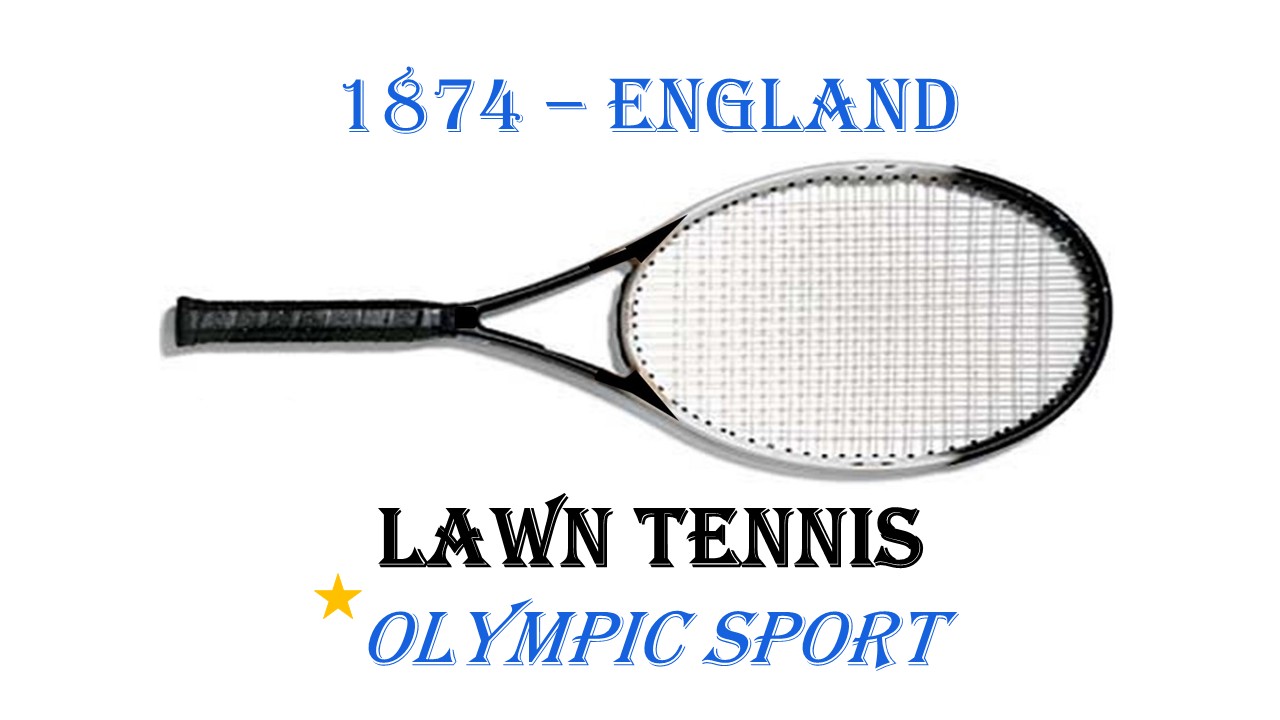
By the 16th century, racquets had become established in real tennis, a sport enjoyed across European royal courts. The next major transformation came in the 19th century, when outdoor lawn tennis developed in Britain. Walter Clopton Wingfield patented and marketed his version of the game in 1873, helping accelerate its popularity, while Wimbledon held its first championship in 1877. By the end of the 1800s, organized racquet sports were spreading internationally, laying the foundation for the modern competitive games enjoyed around the world today.

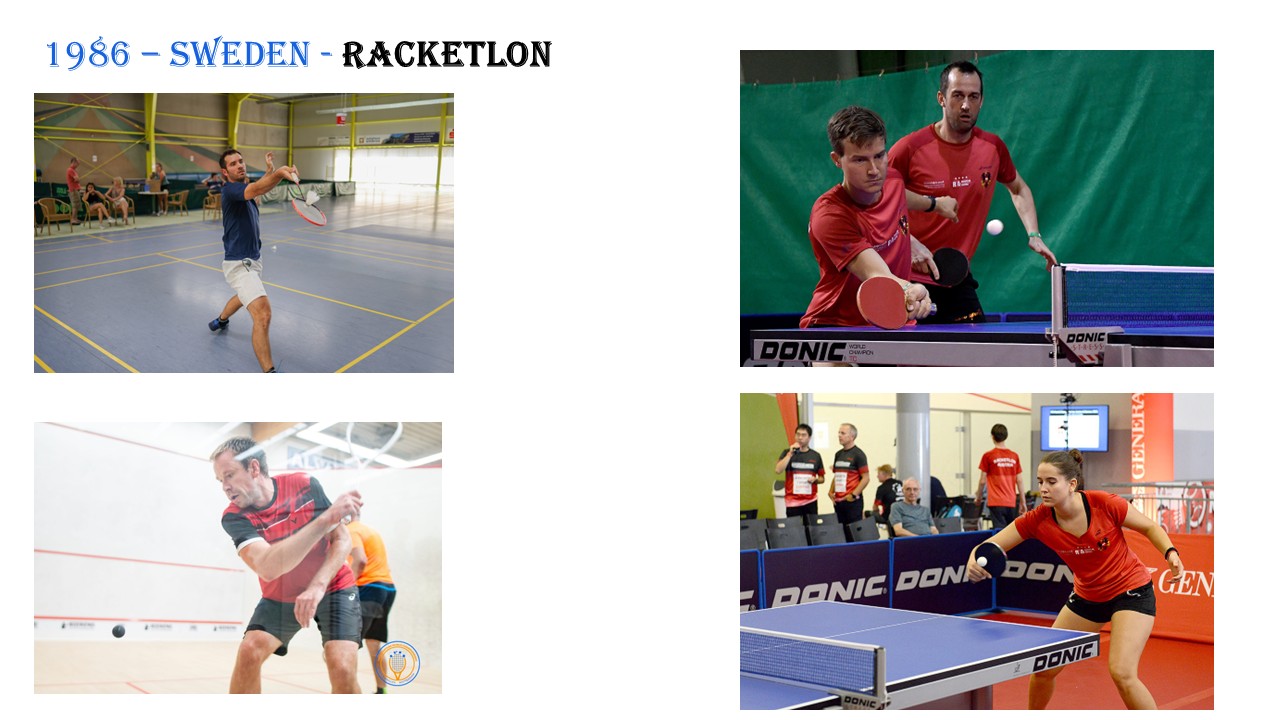













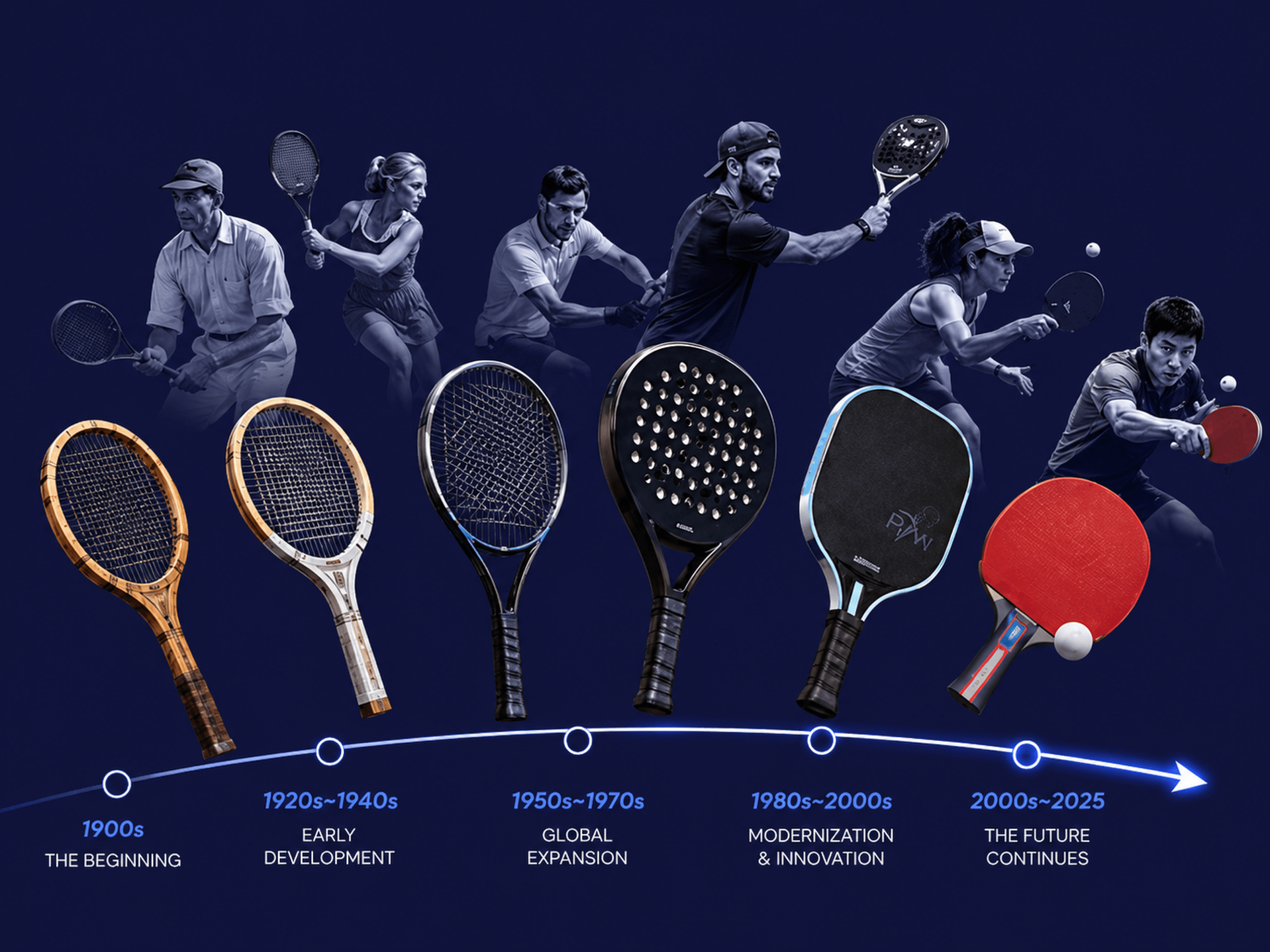
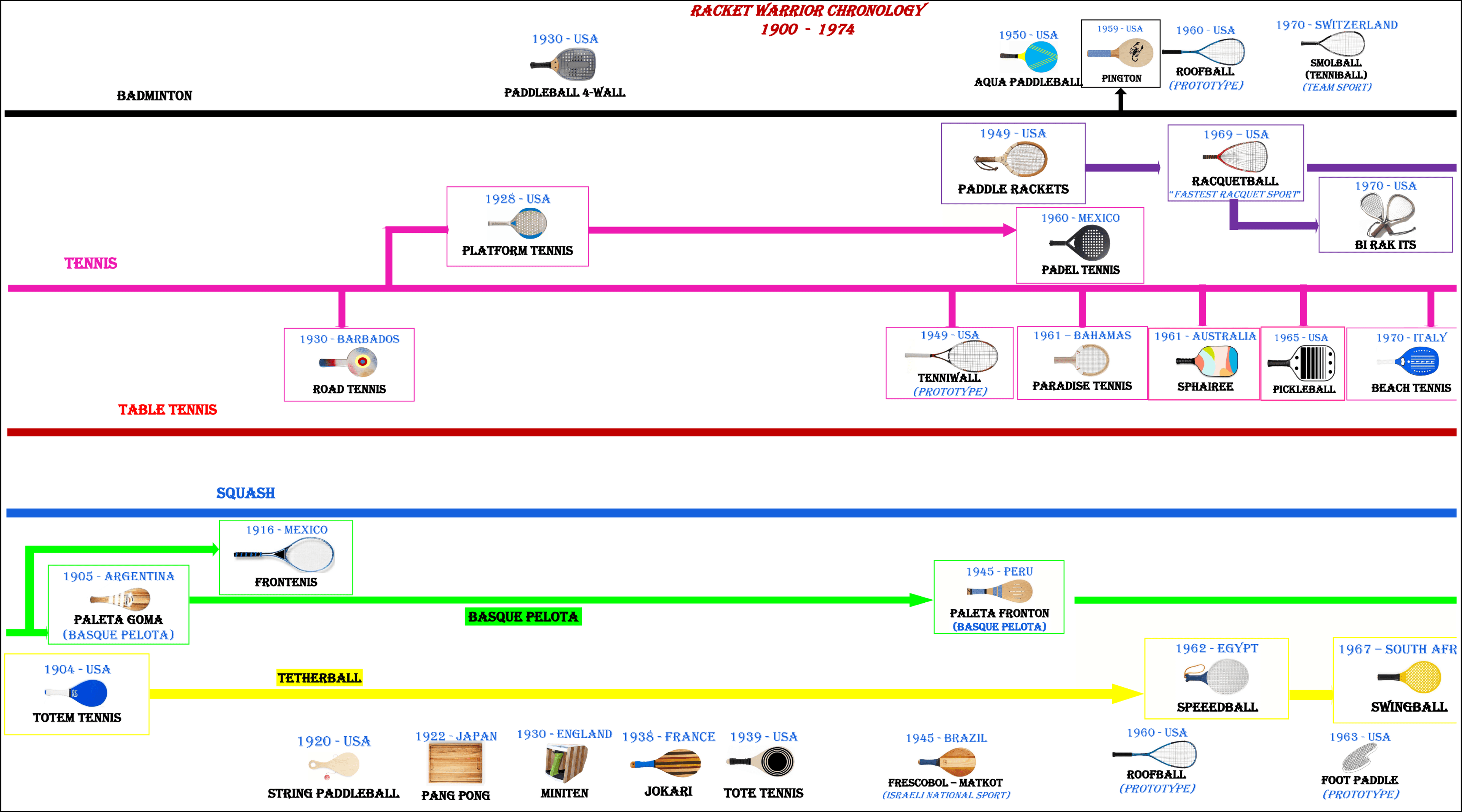
Racket Warrior Chronology 1900 - 1974
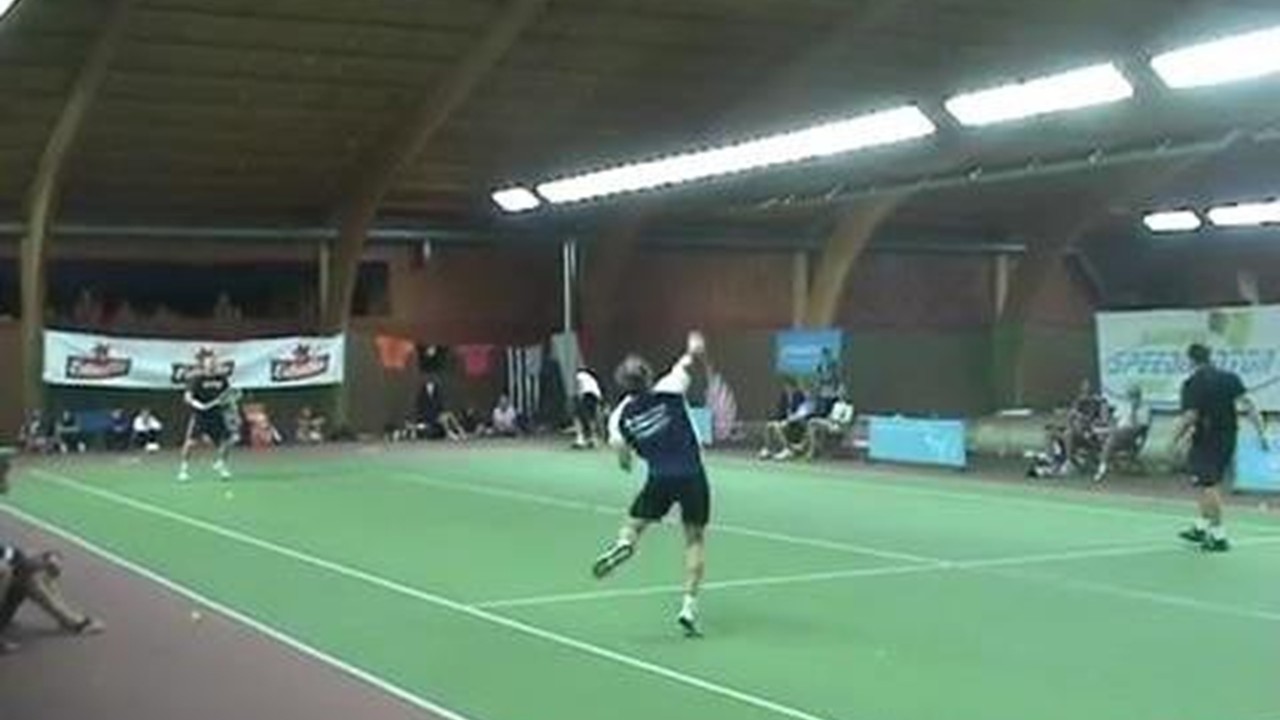
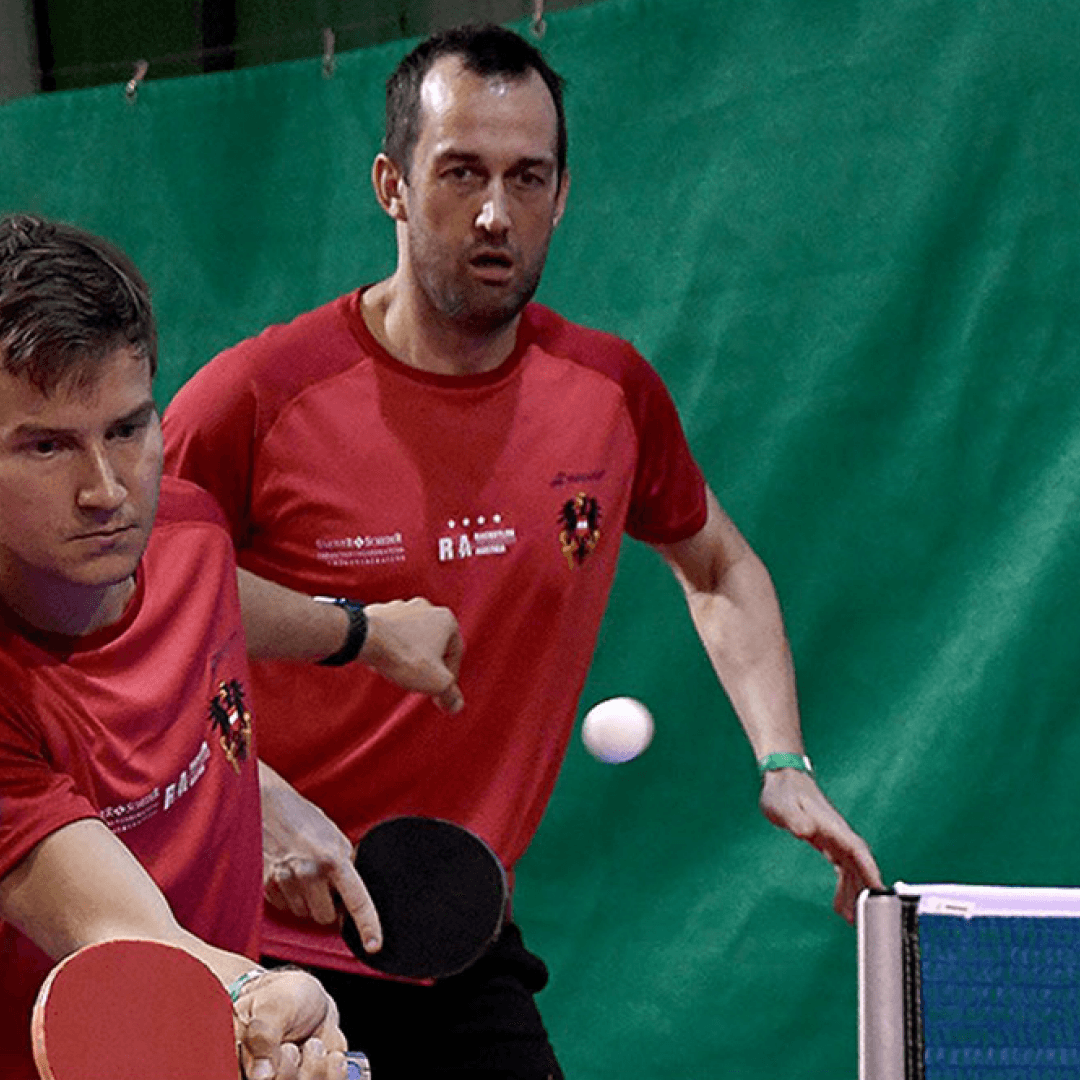
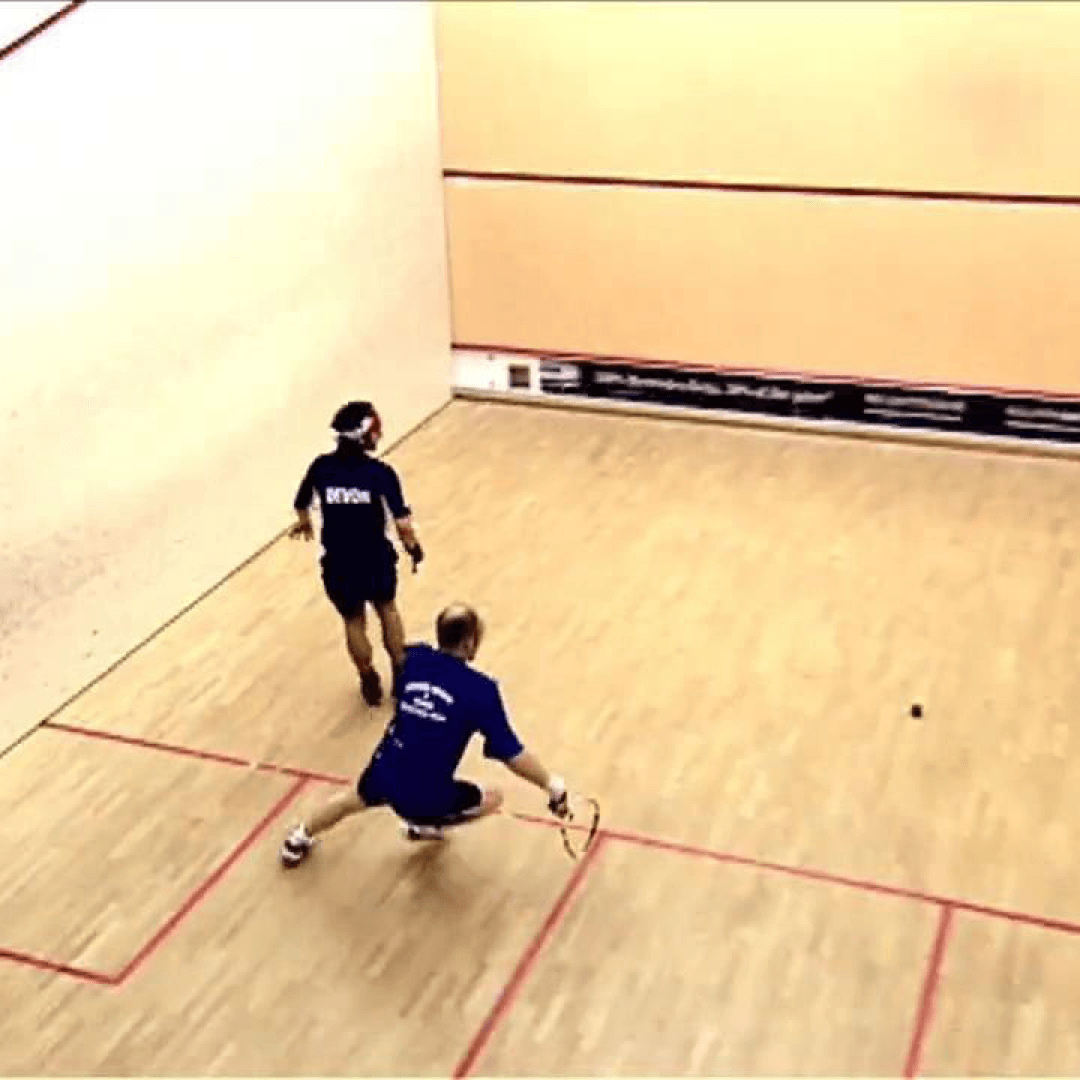
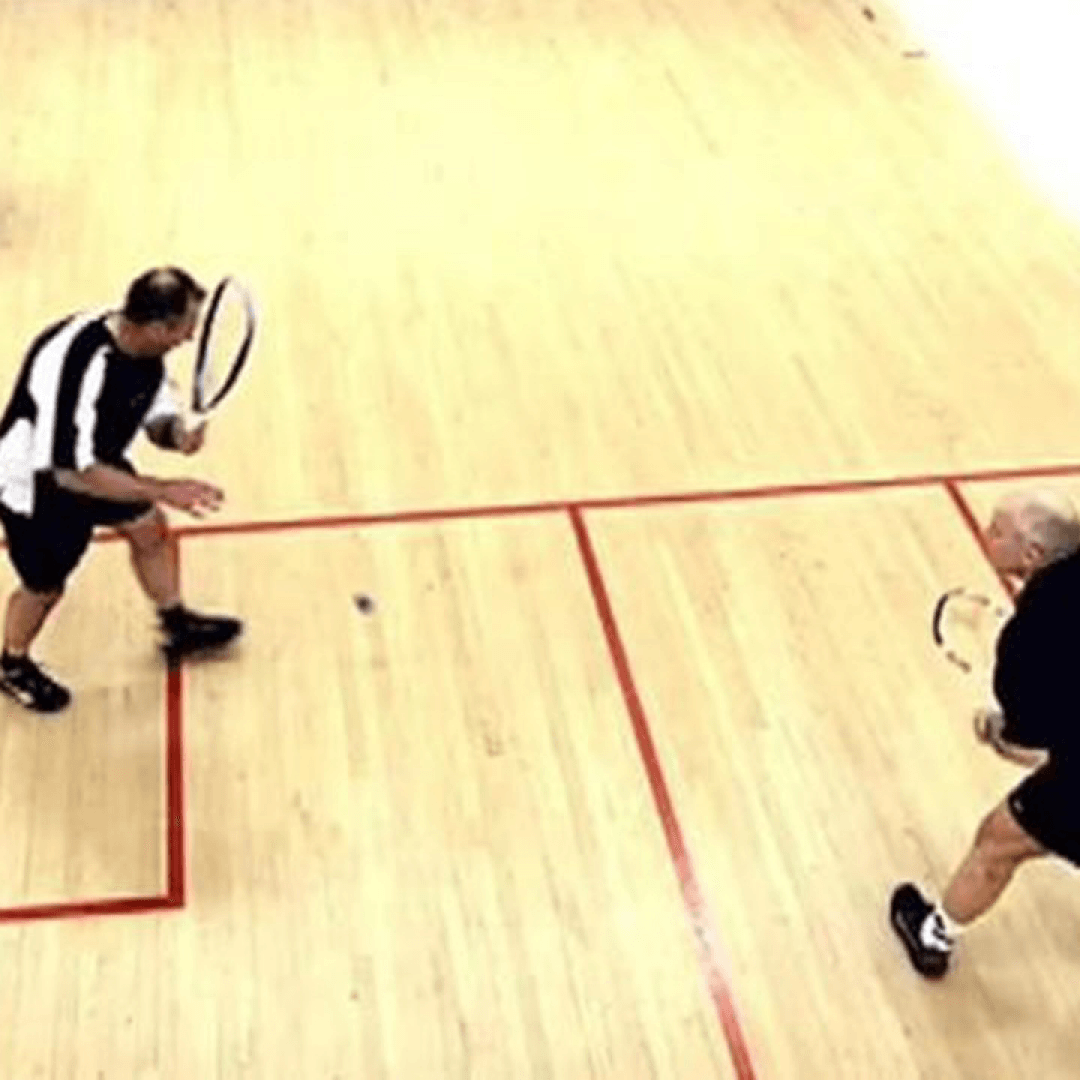
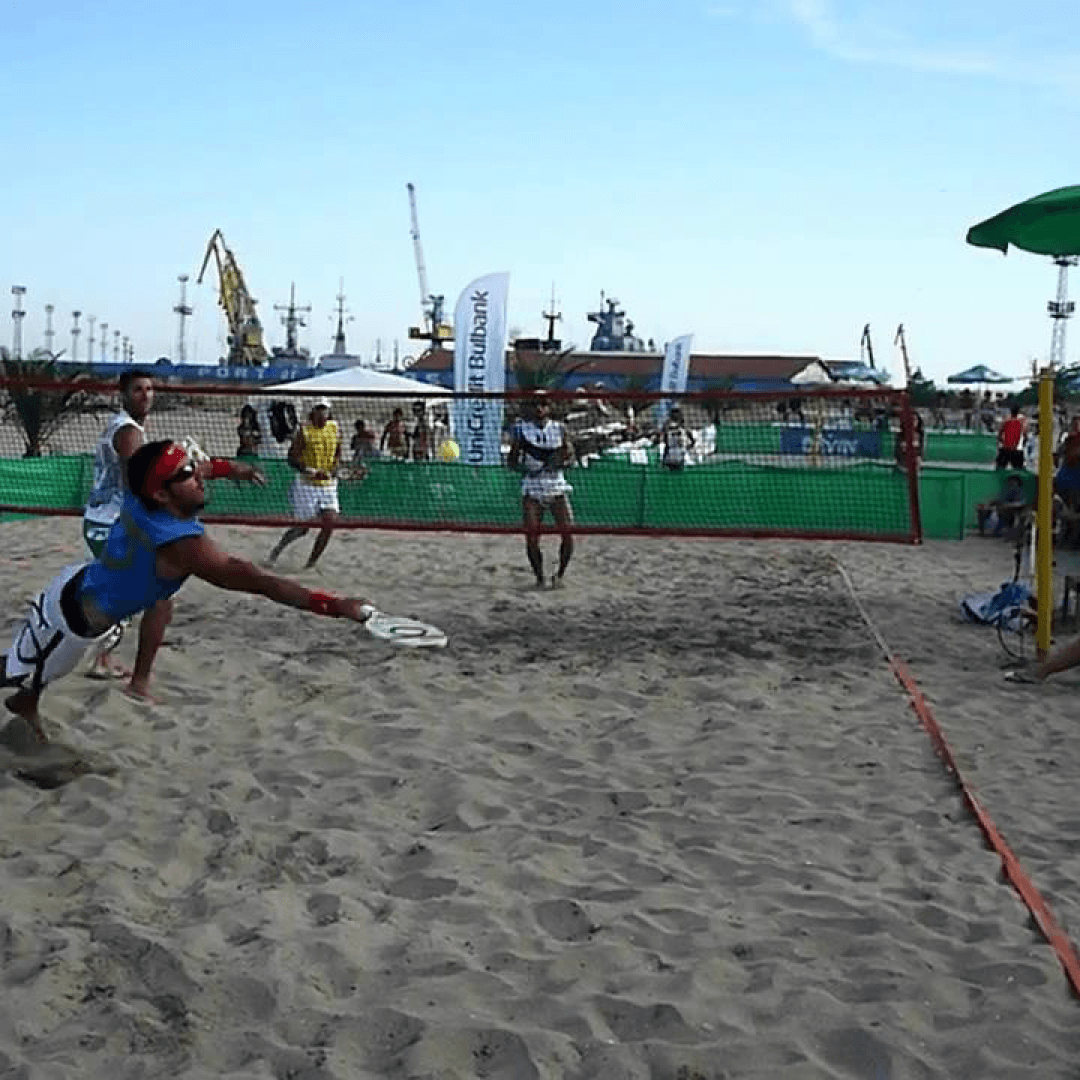
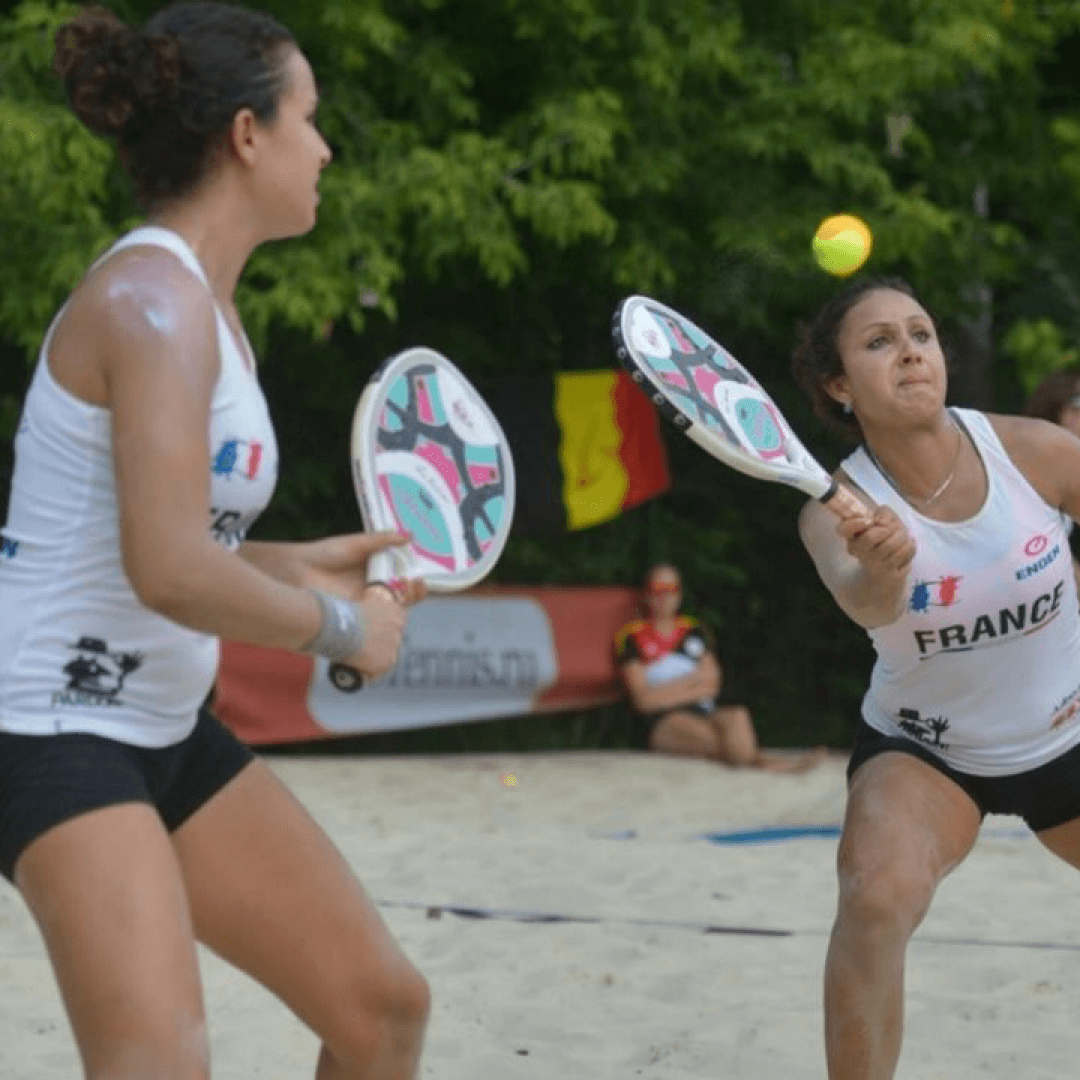
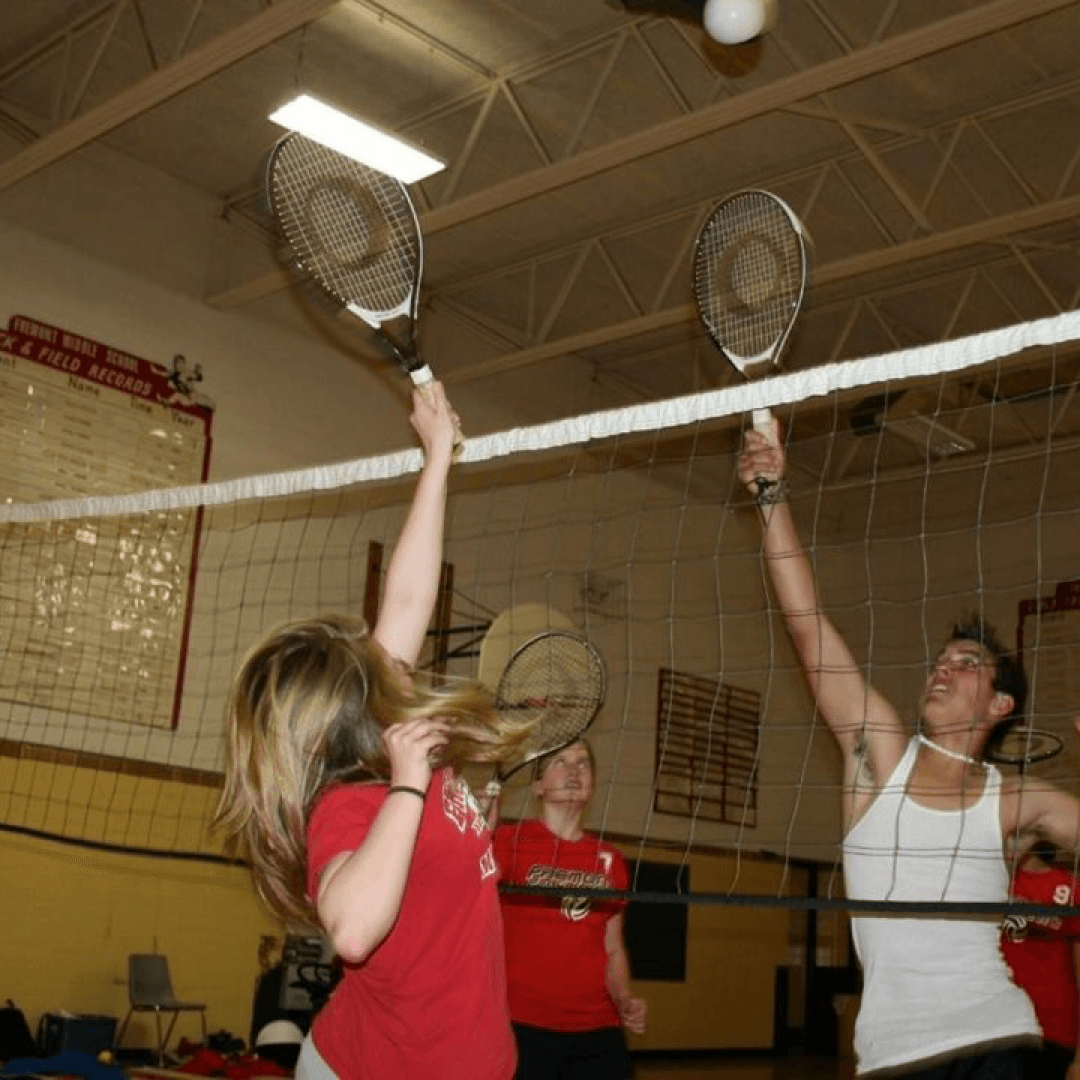
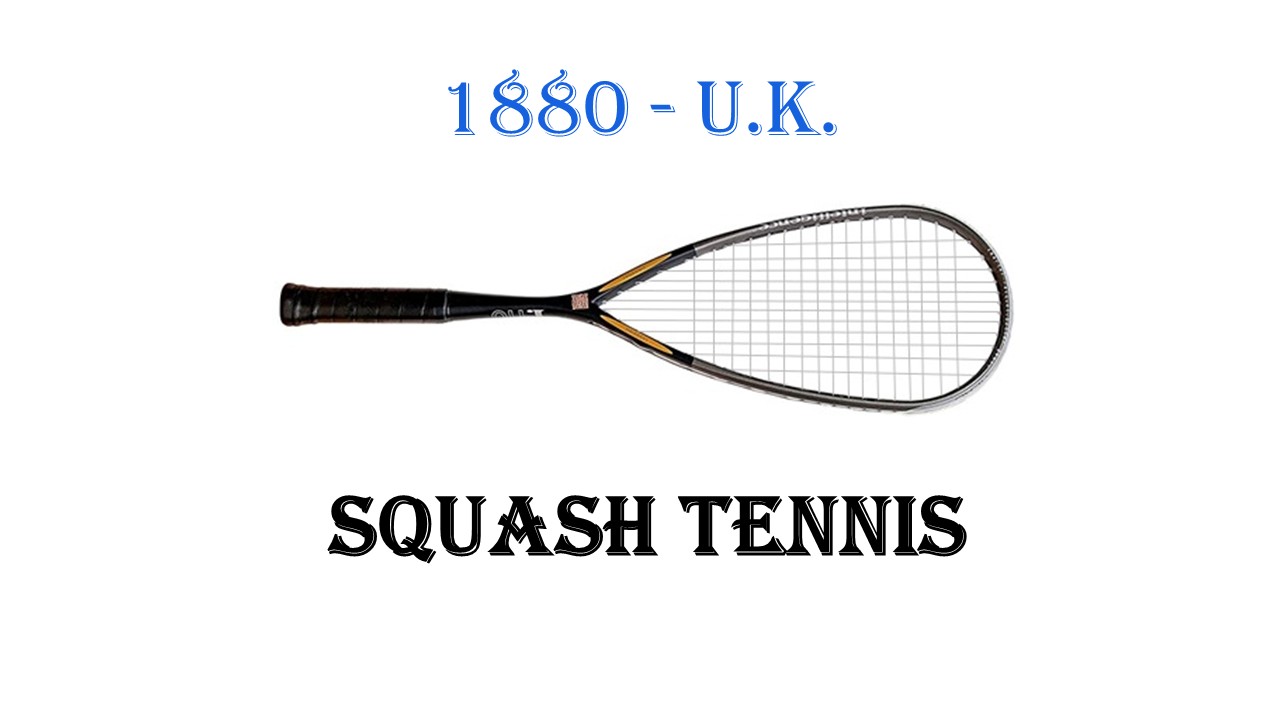
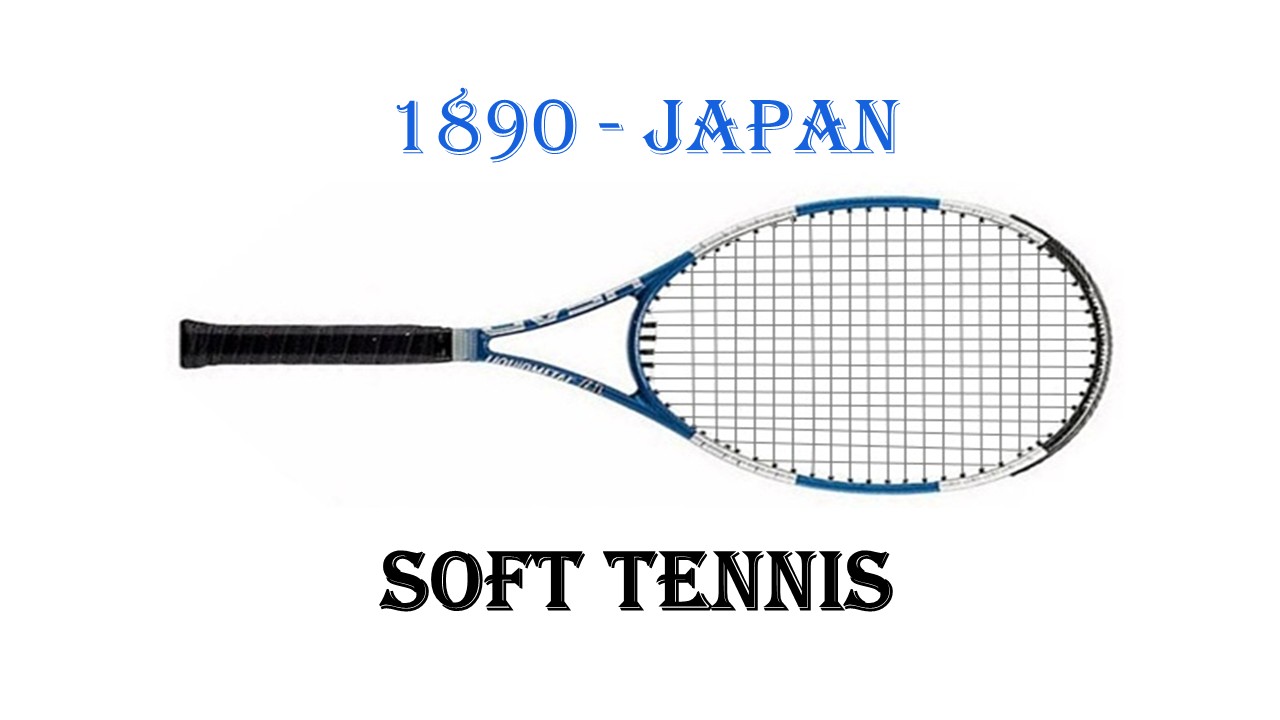
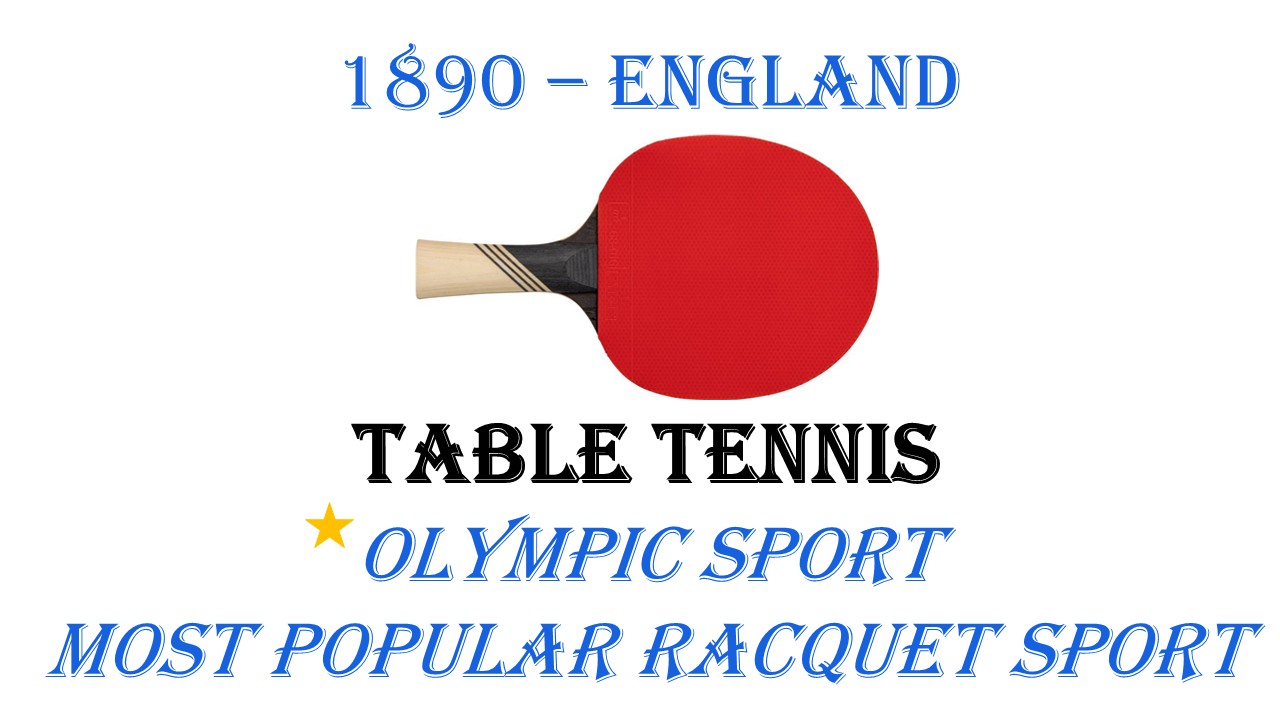
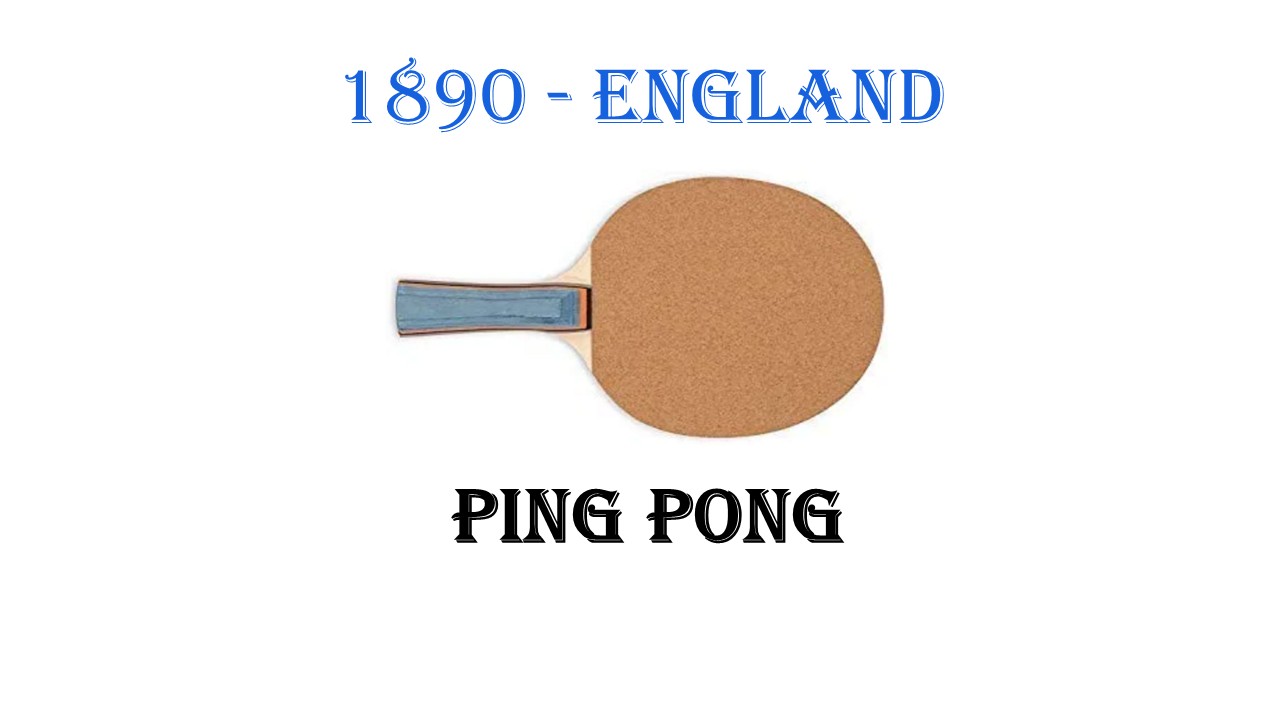
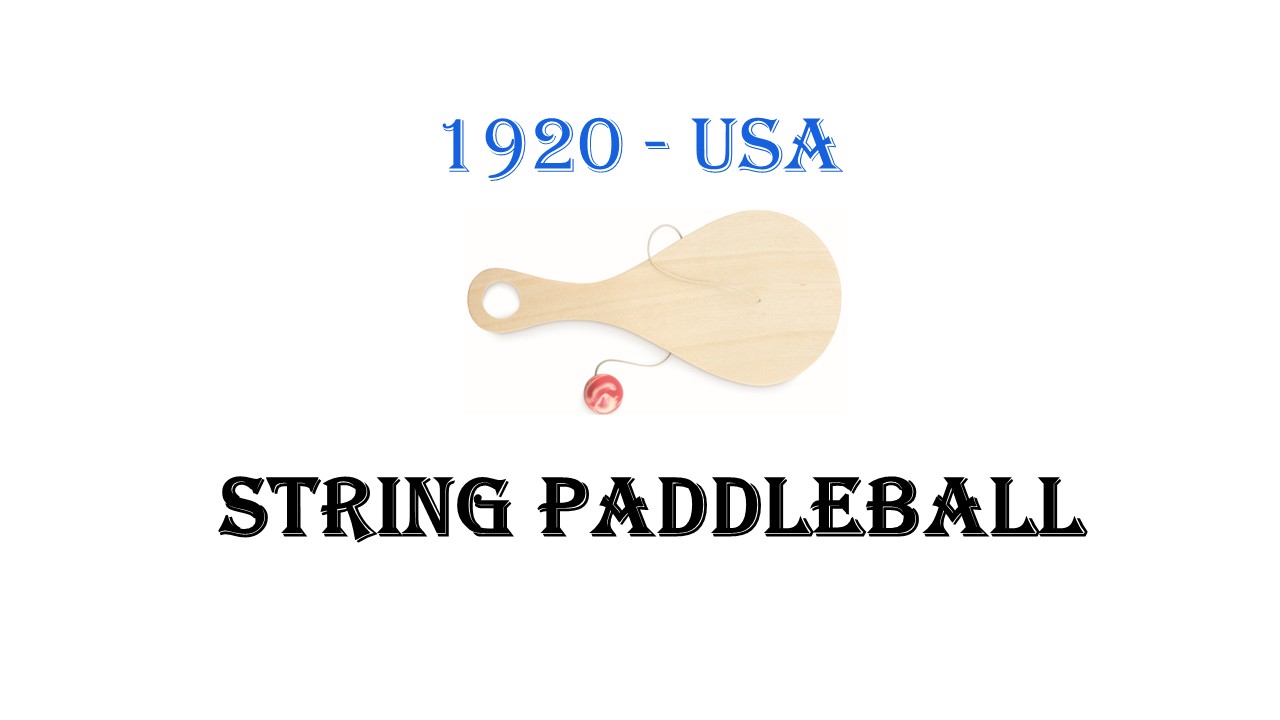
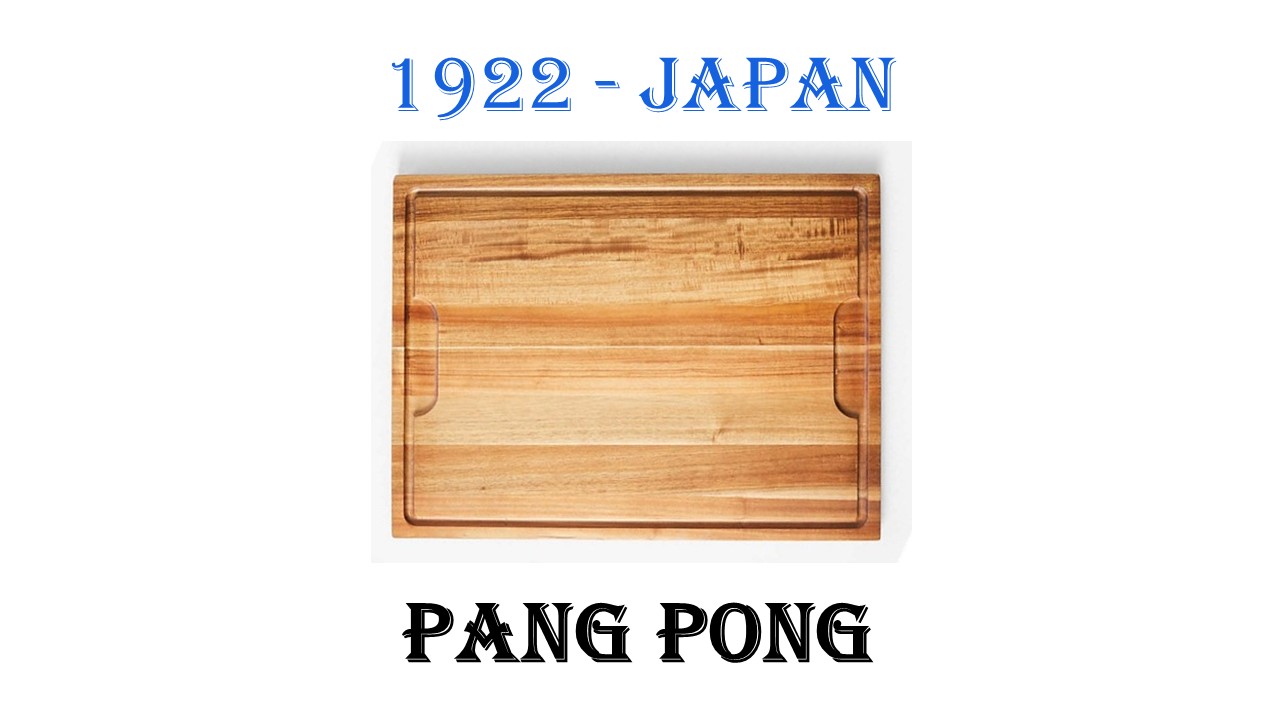
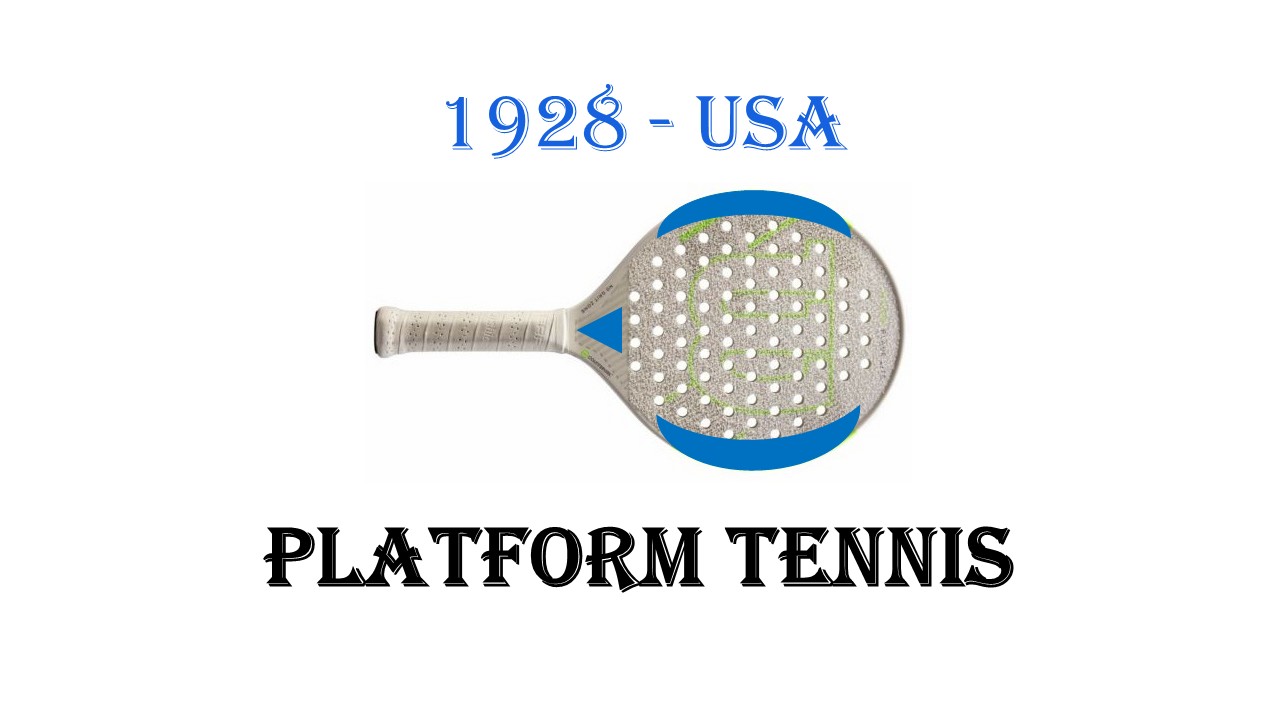
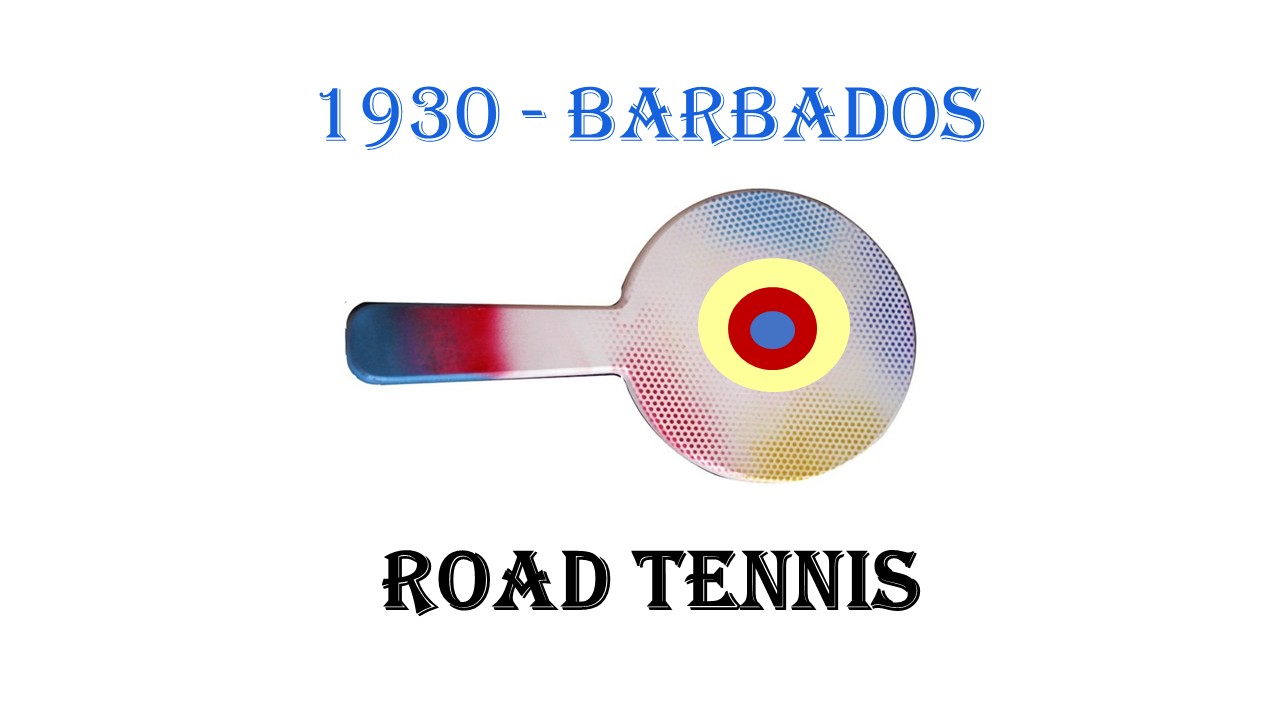
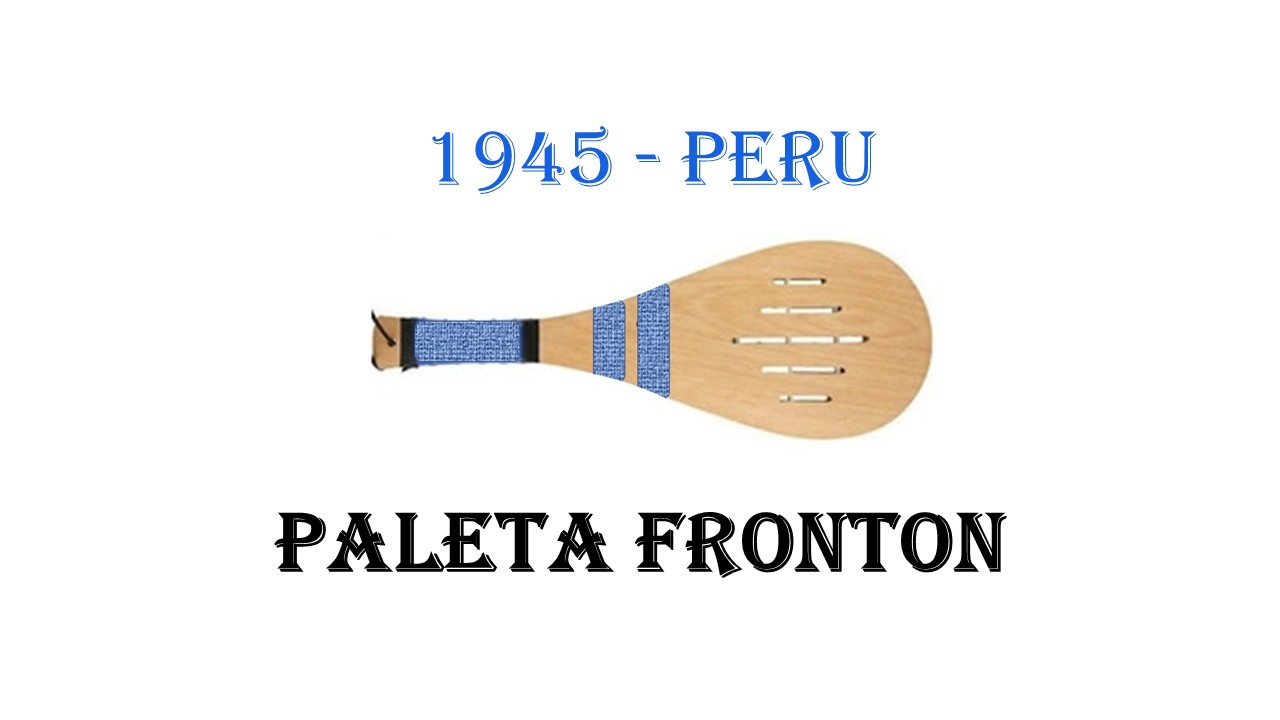
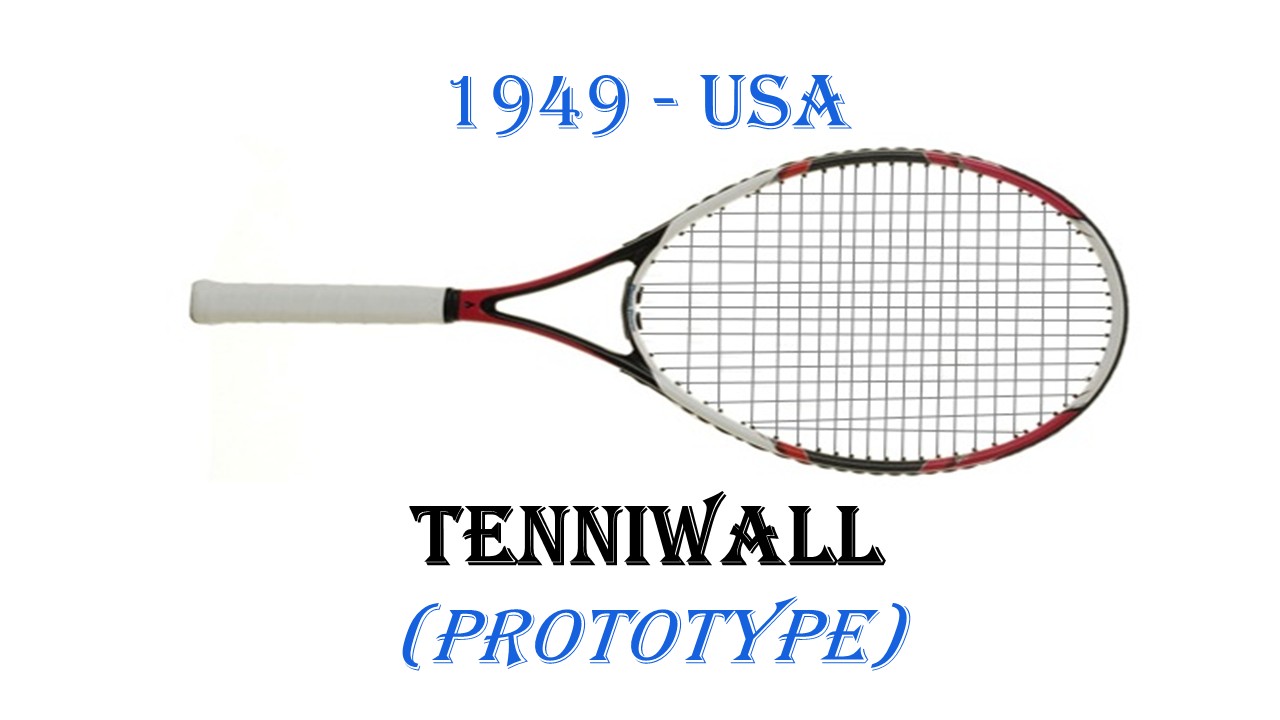
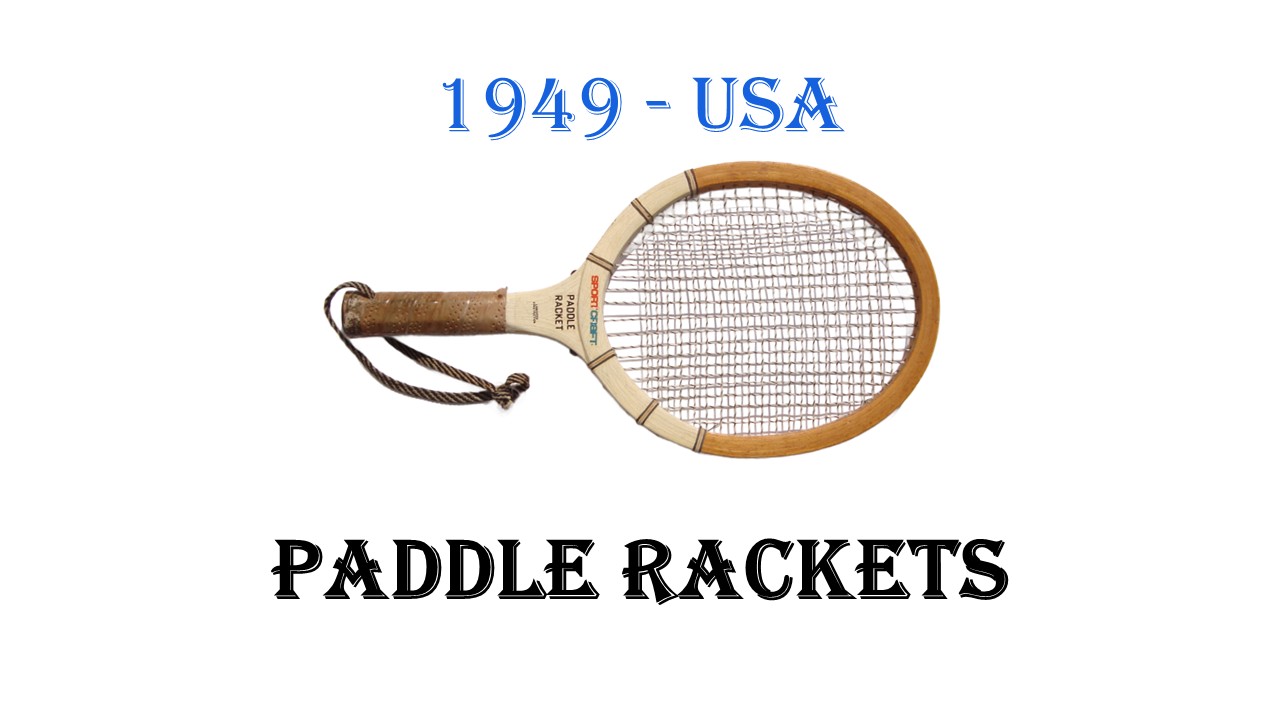
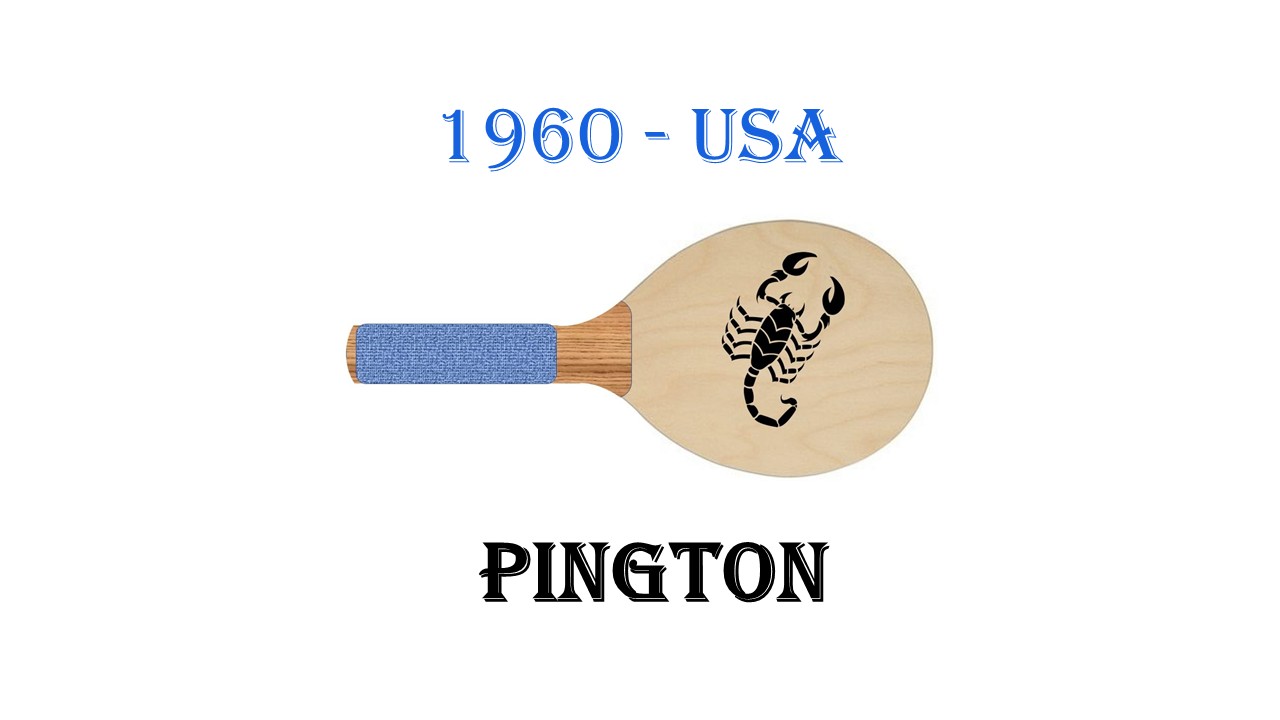
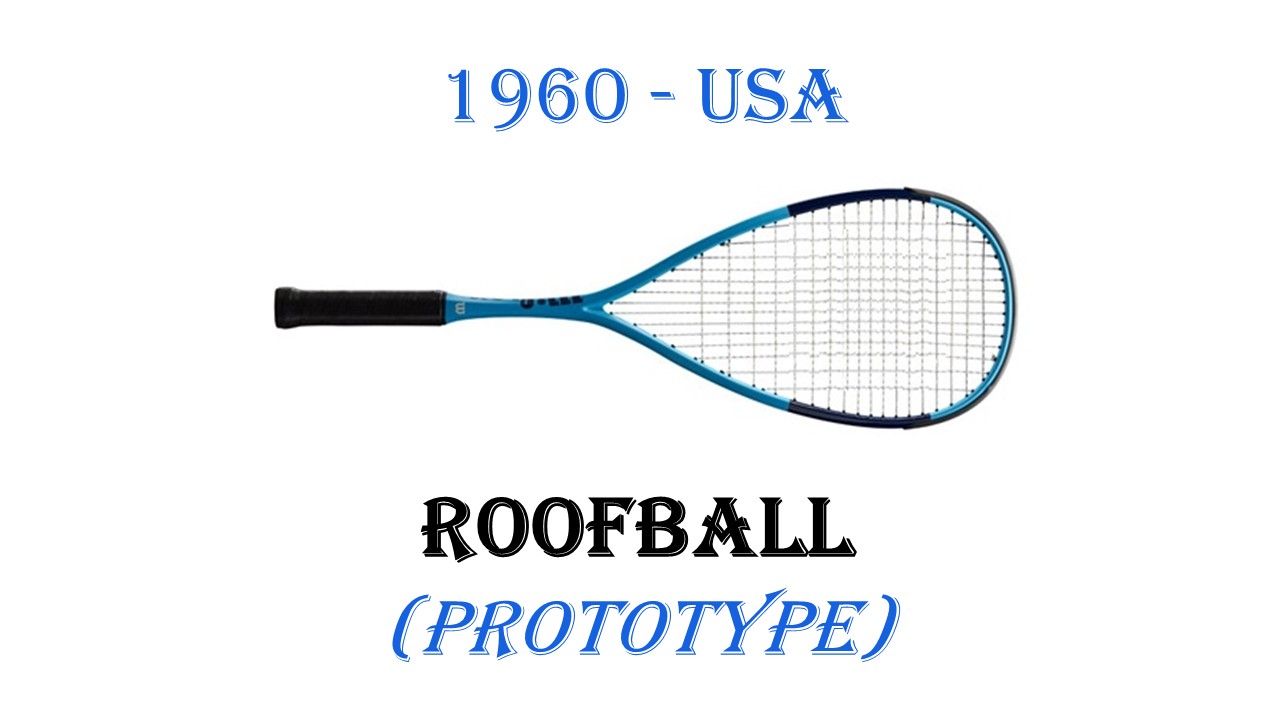
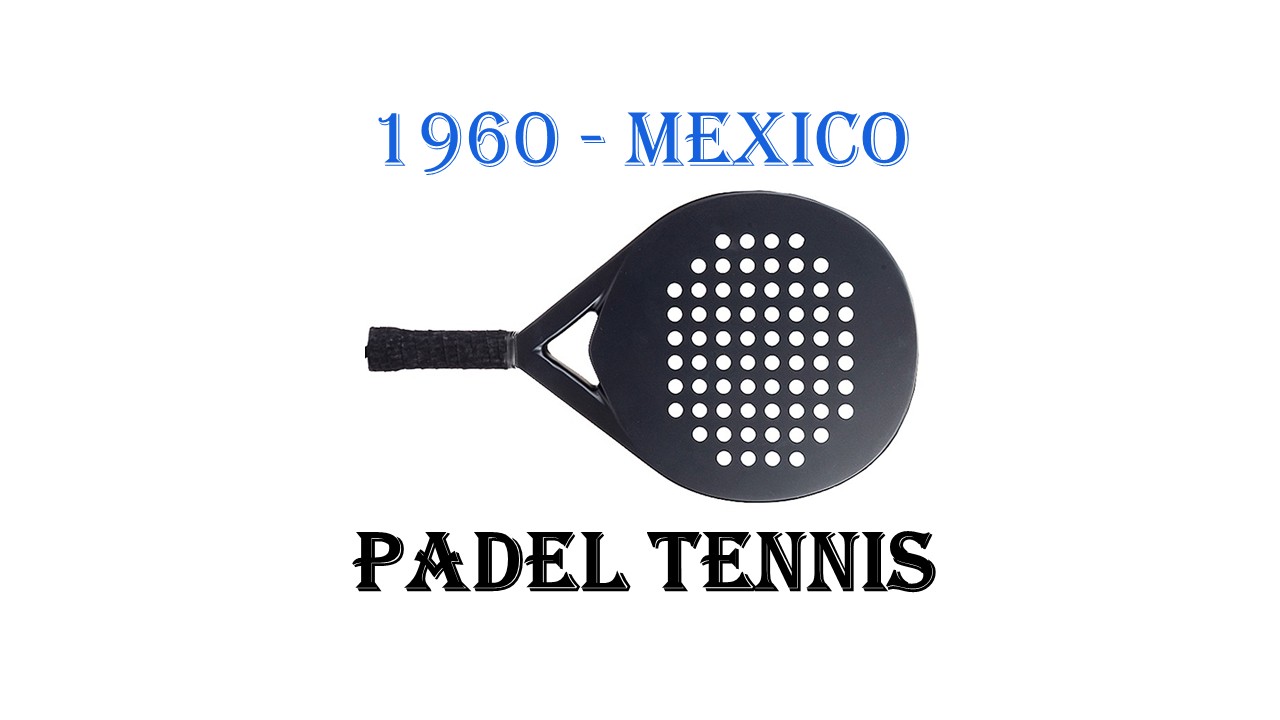
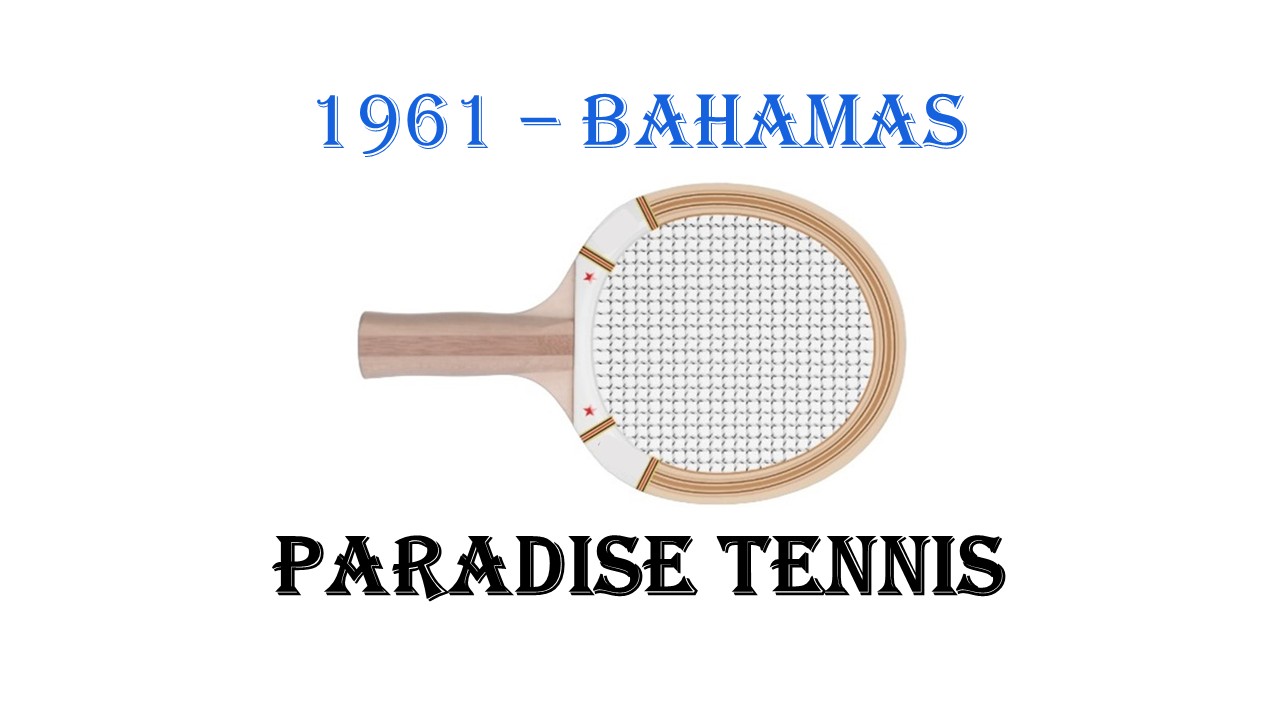
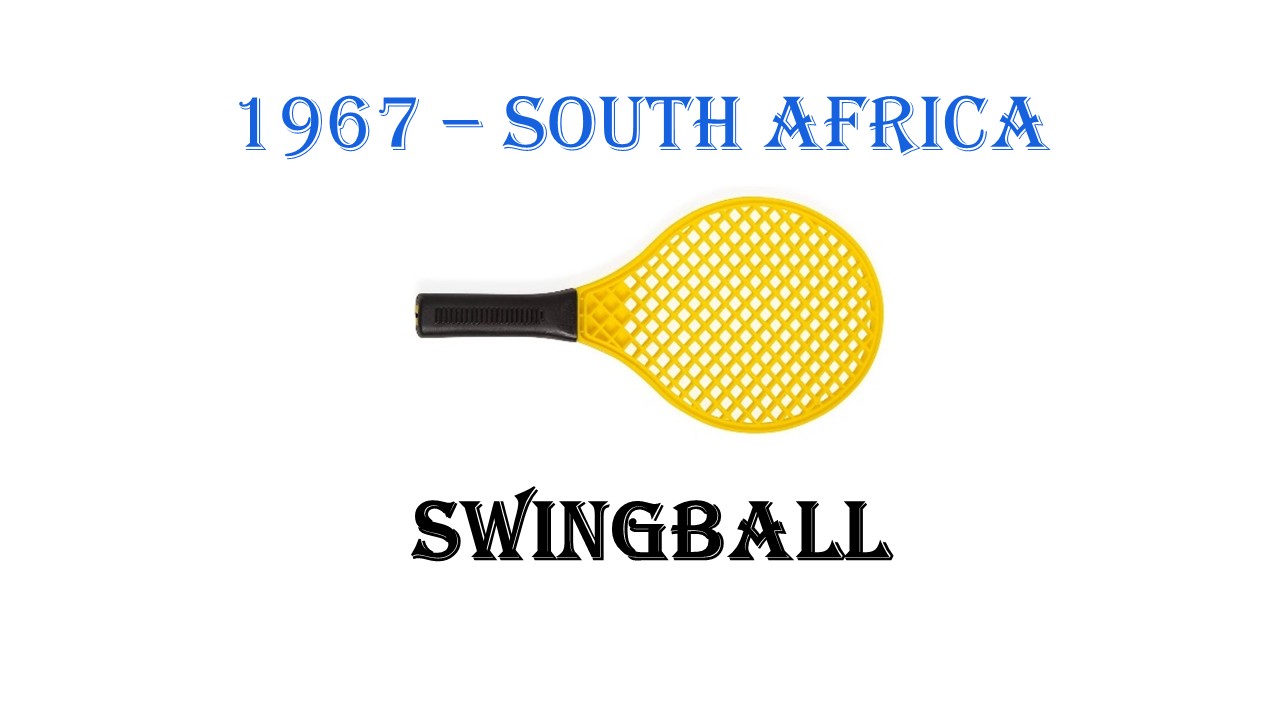
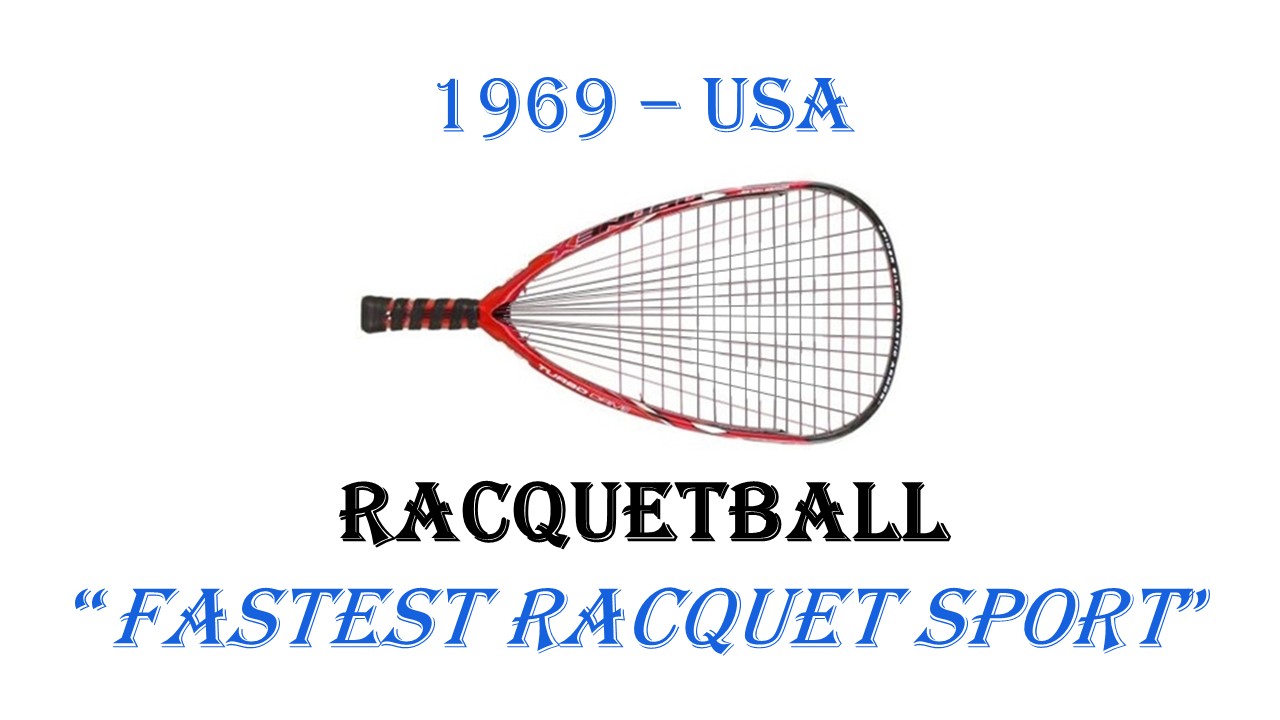
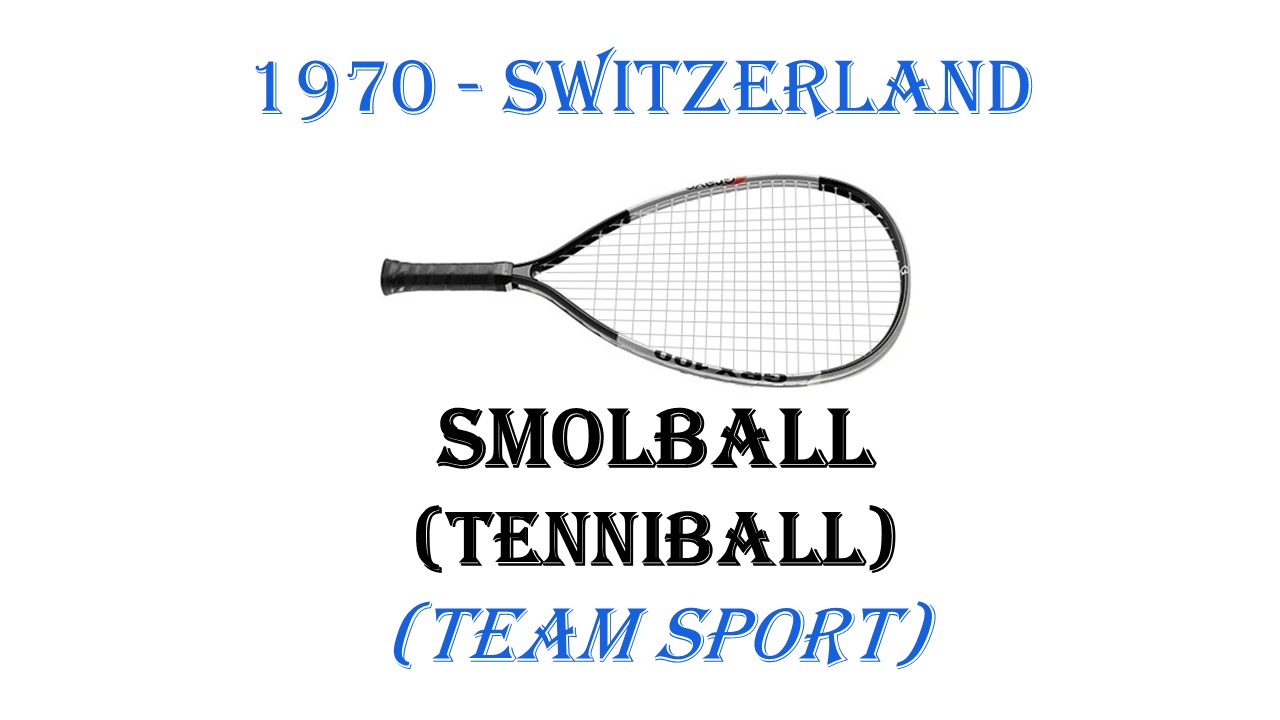
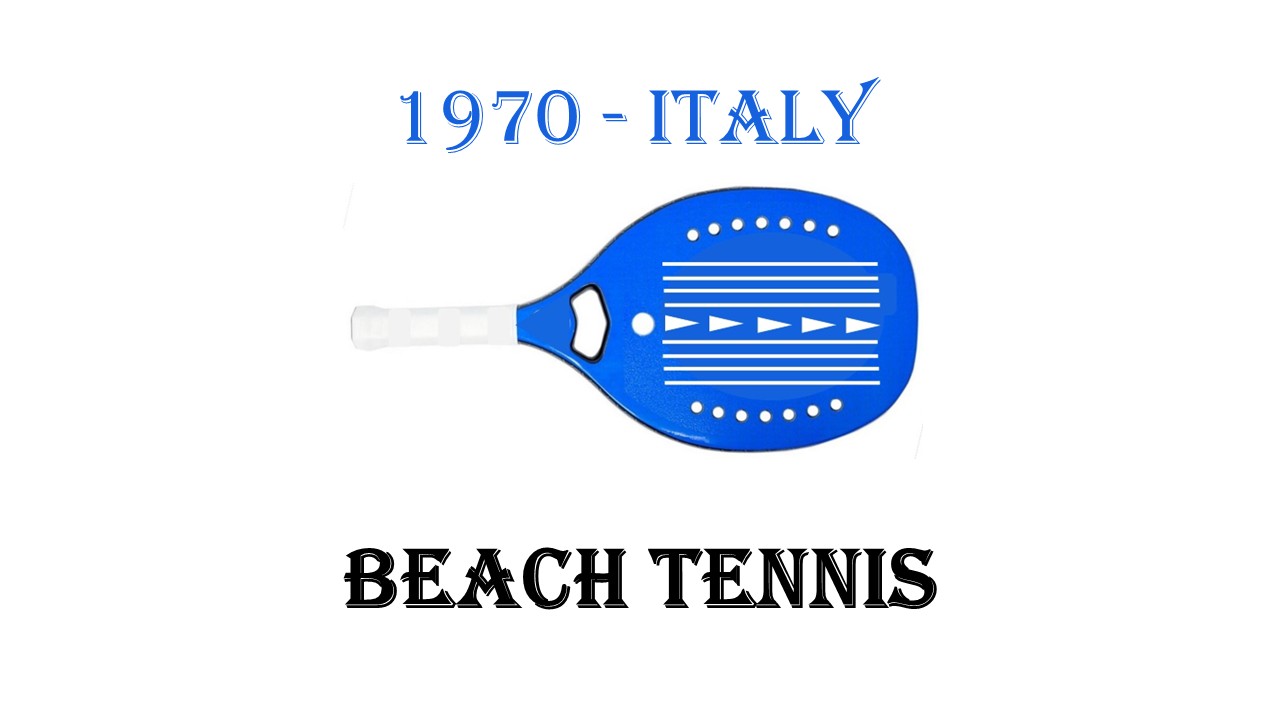
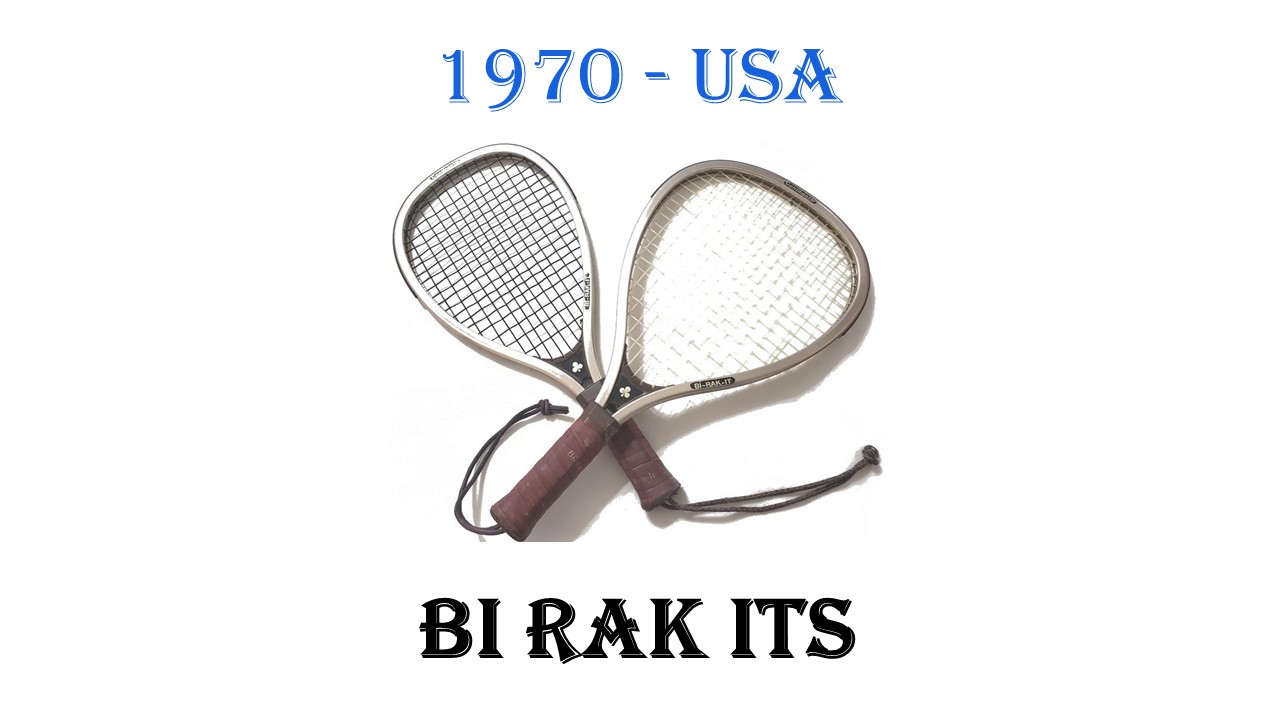
The first three quarters of the 20th century transformed racquet sports from established recreational games into organized international competition. Tennis expanded rapidly through major championships and international team events, while badminton, squash, and table tennis developed stronger governing structures, standardized rules, and wider competitive communities. Table tennis reached an important milestone in 1926 with the formation of the International Table Tennis Federation and the first World Championships in London.
Tennis also underwent a defining change during this era. International competition continued to grow, women’s team tennis gained a major global event with the launch of the Federation Cup in 1963, and in 1968 the sport entered the Open Era, allowing professionals and amateurs to compete together in leading tournaments.
Across these decades, improvements in racquet construction, strings, balls, court surfaces, training methods, and organized competition helped make racquet sports faster and more accessible. By 1974, the foundation had been laid for the modern global racquet-sports landscape, with established federations, international championships, and growing participation across generations.
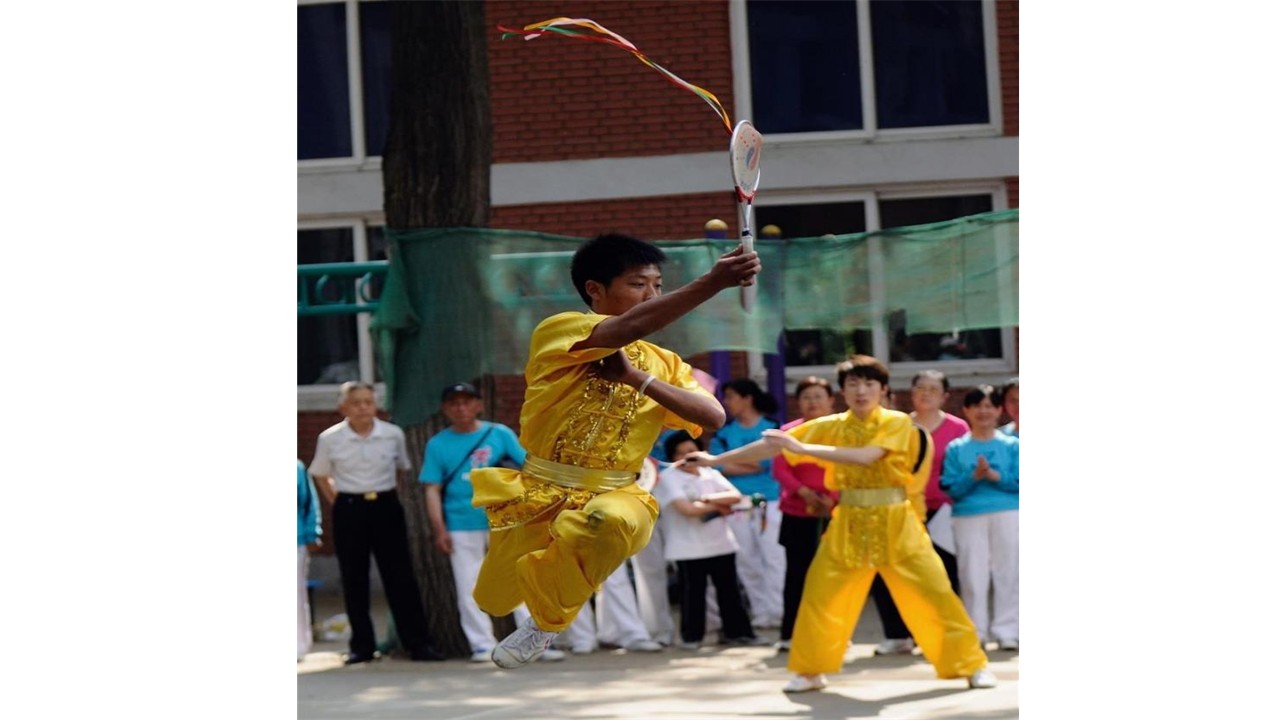
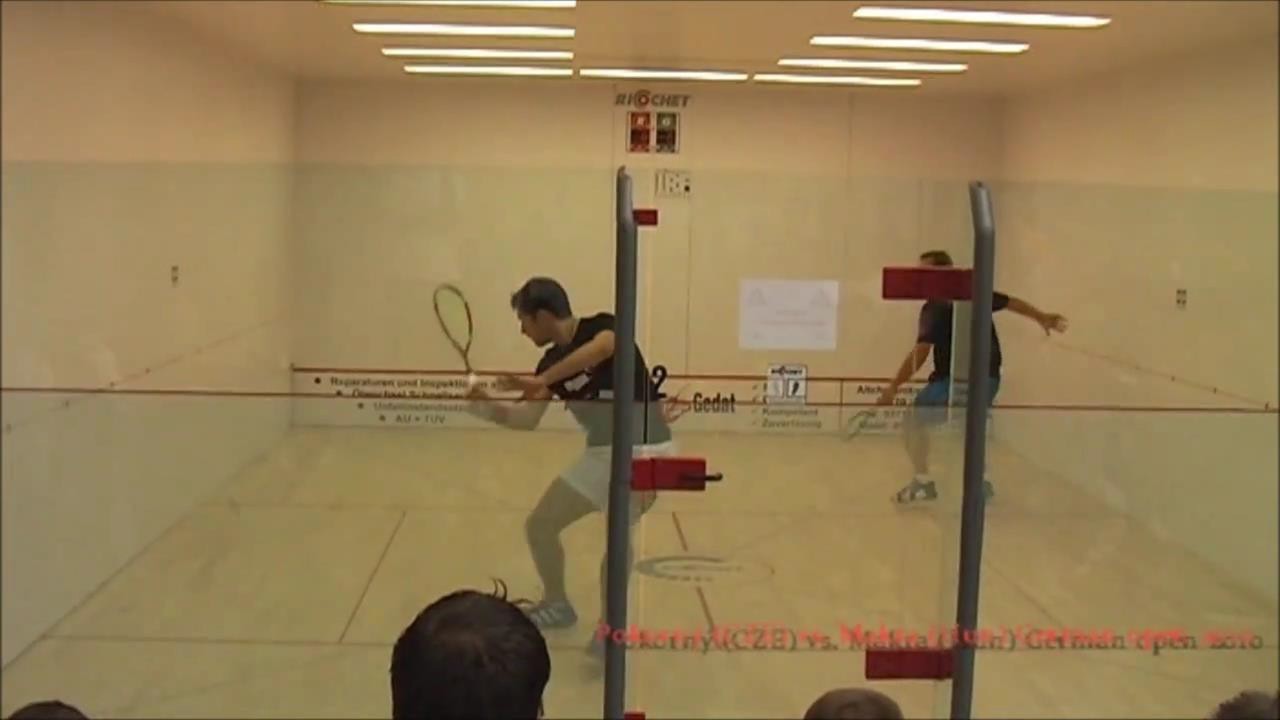
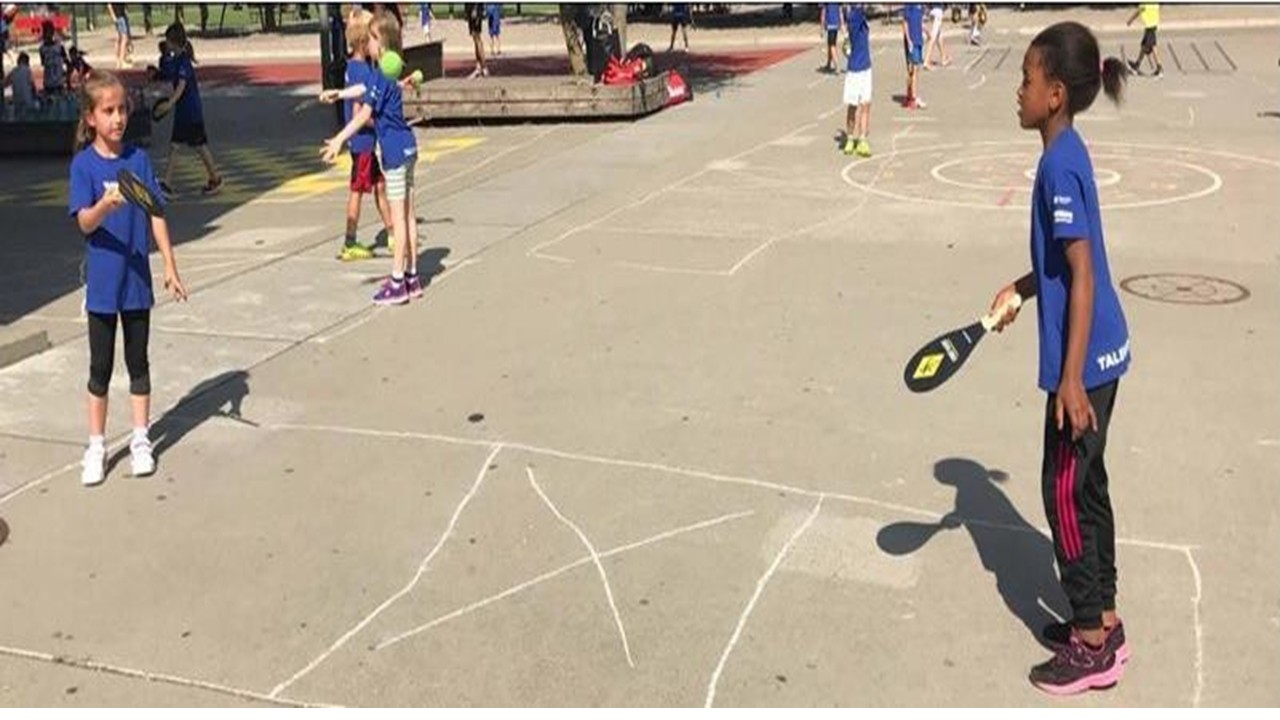
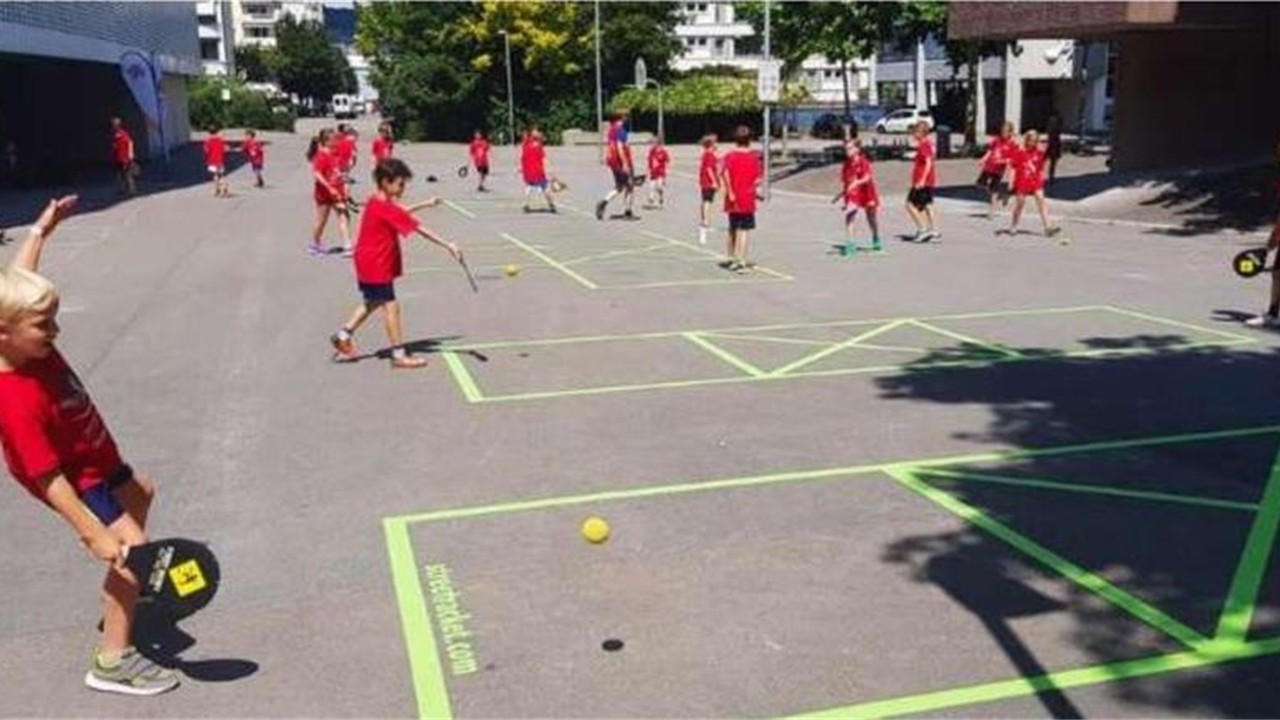






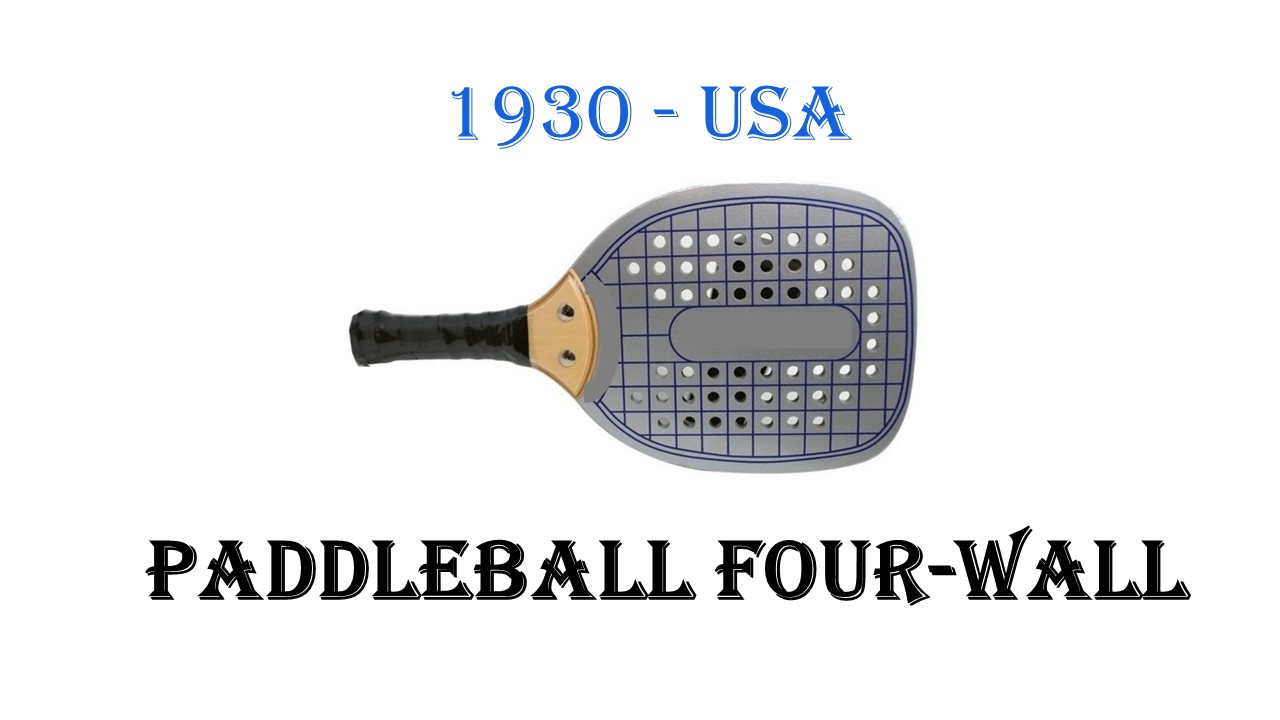
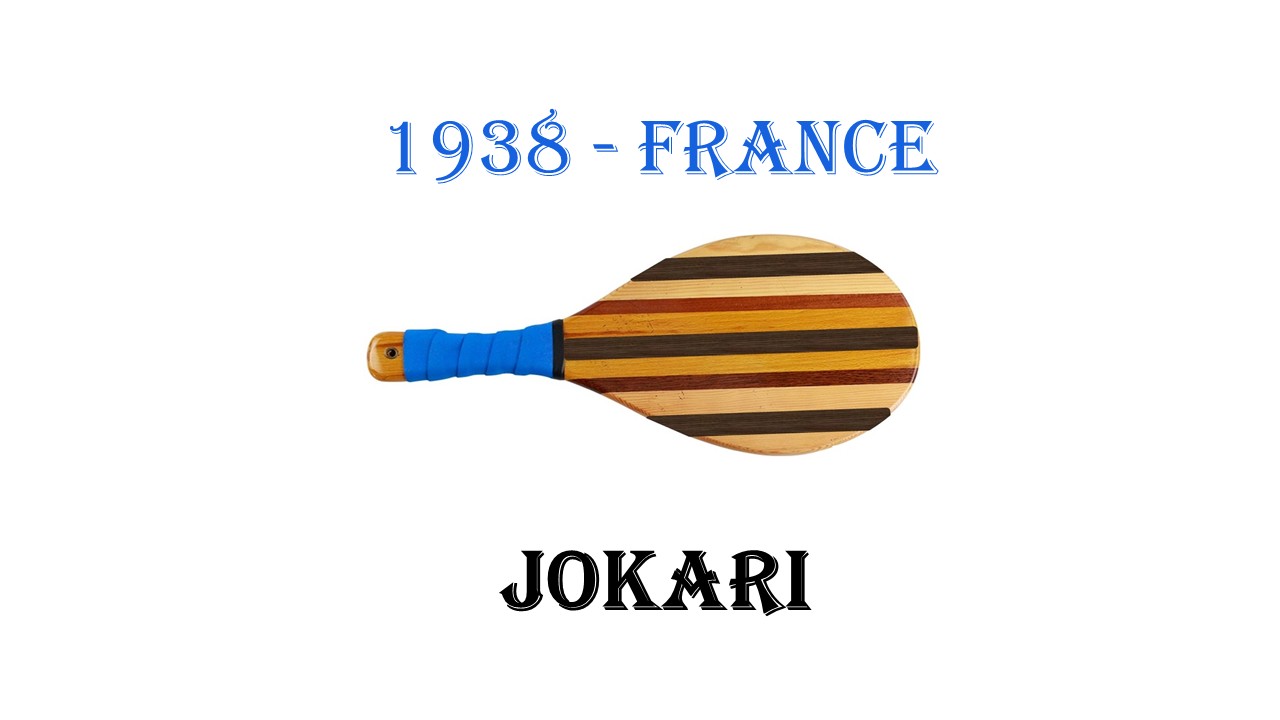
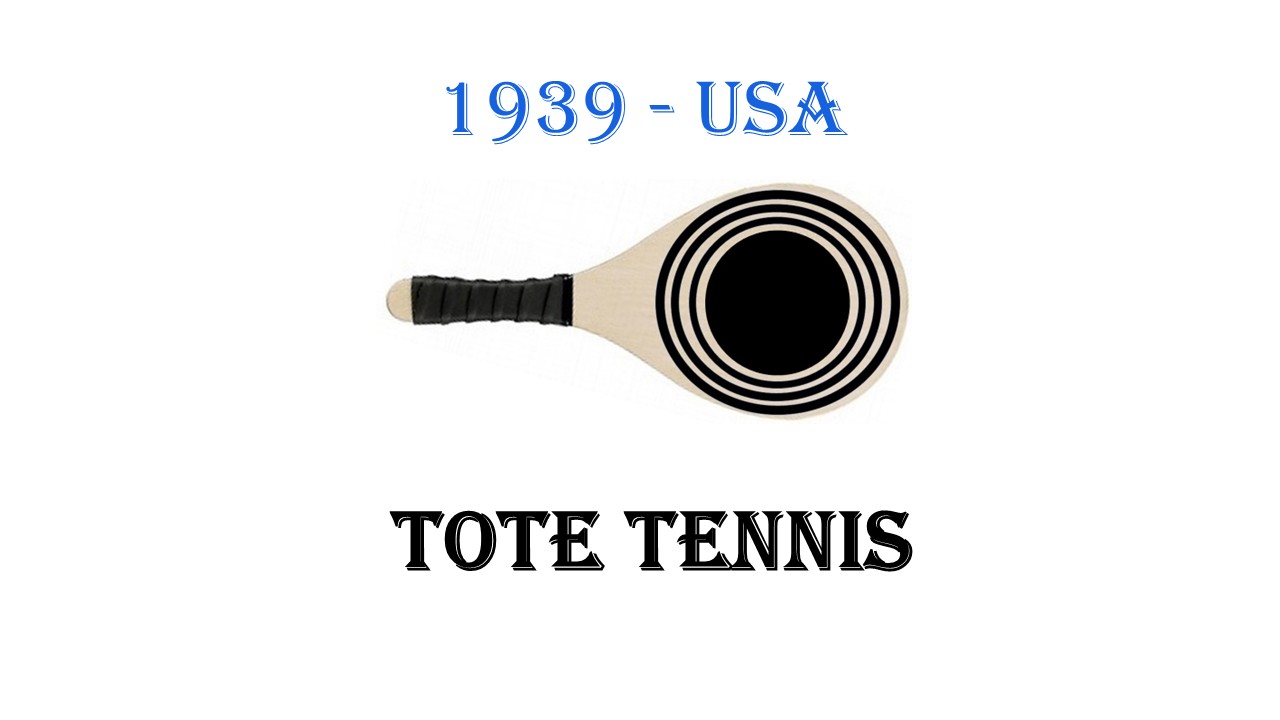
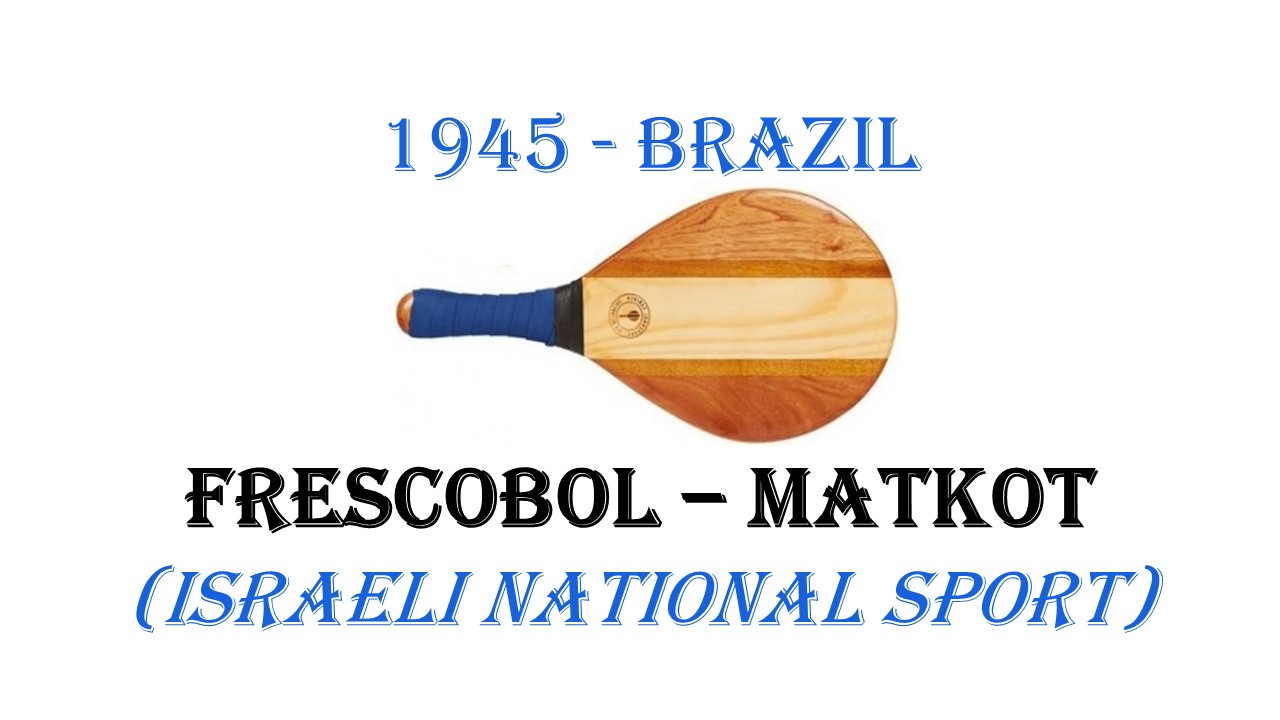






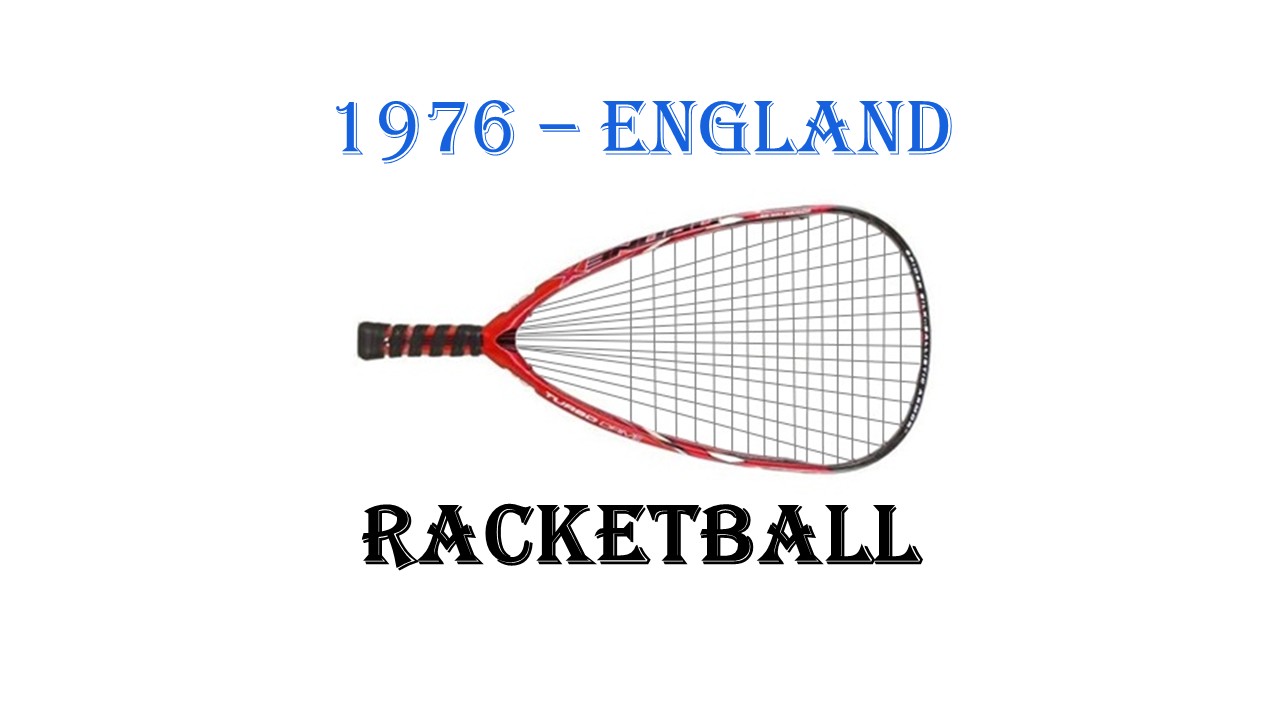
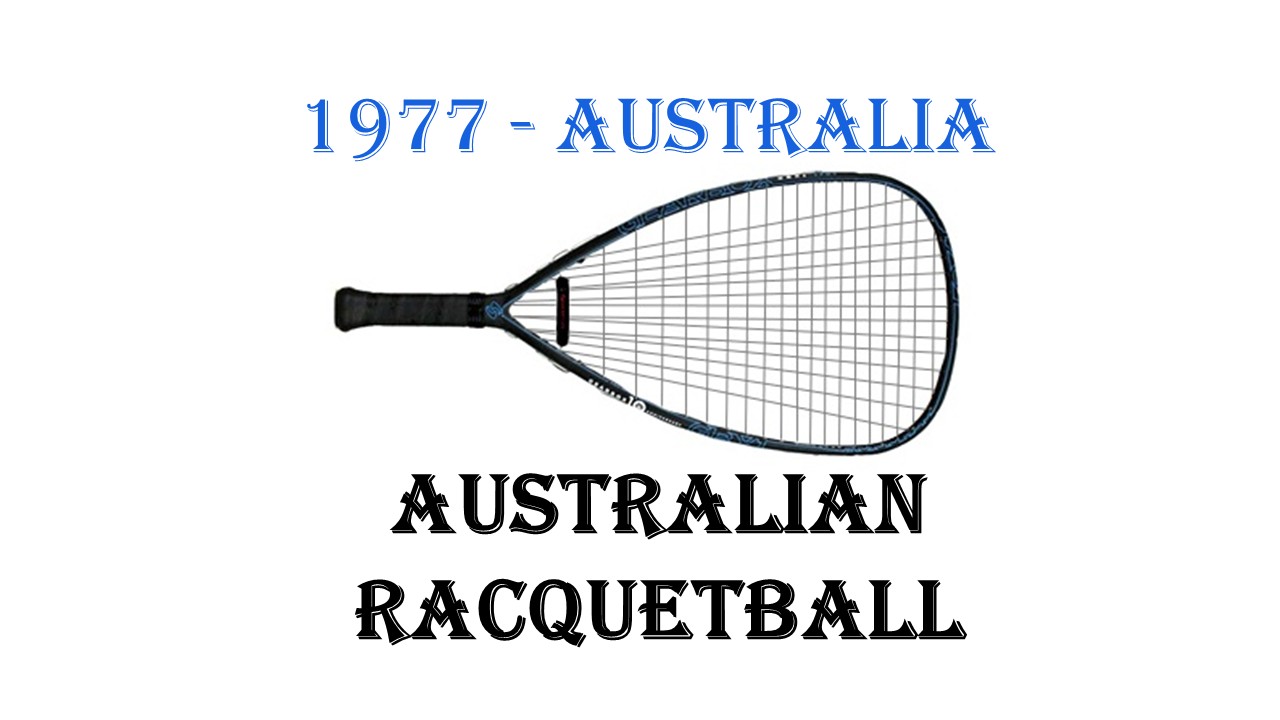
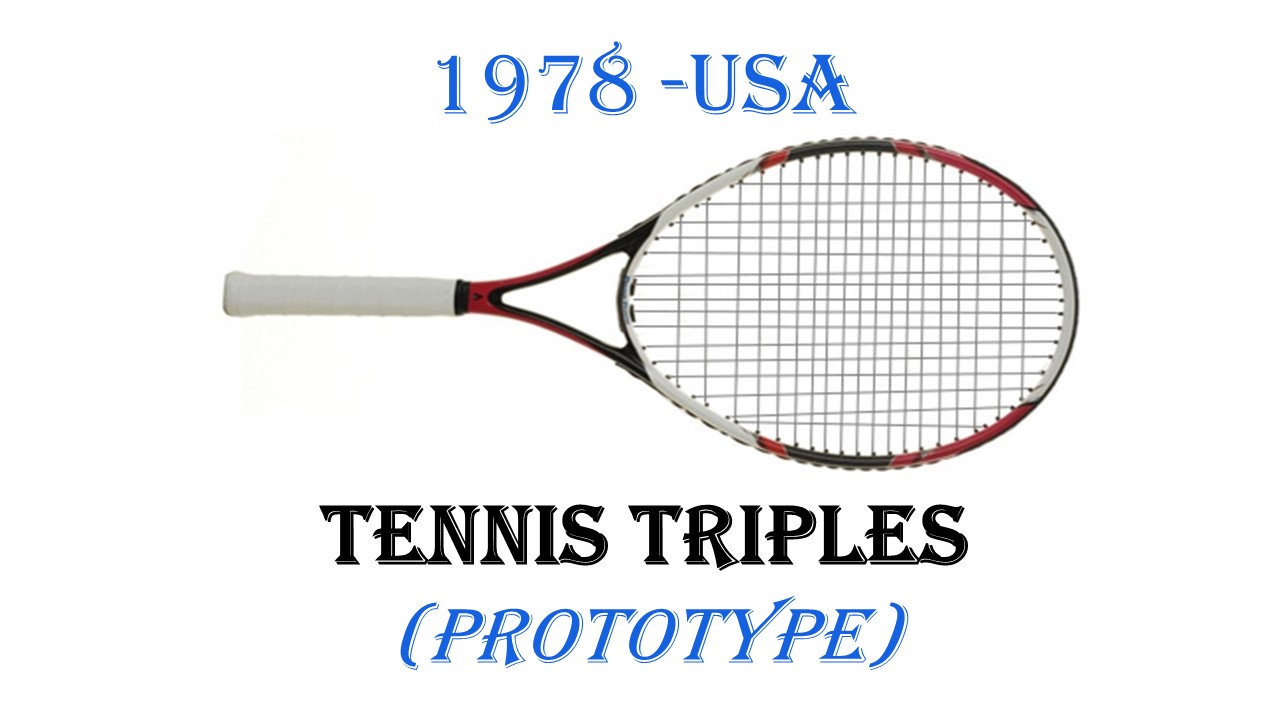
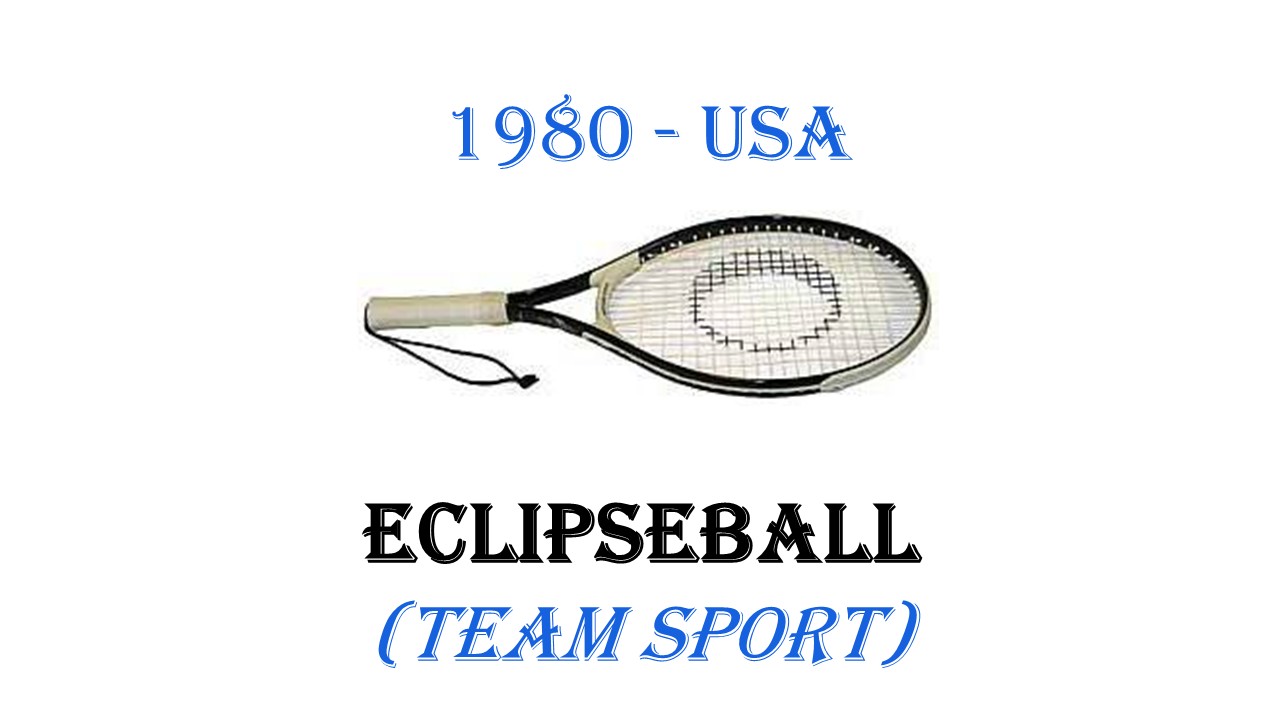
Racket Warrior Chronology 1975 - 2008
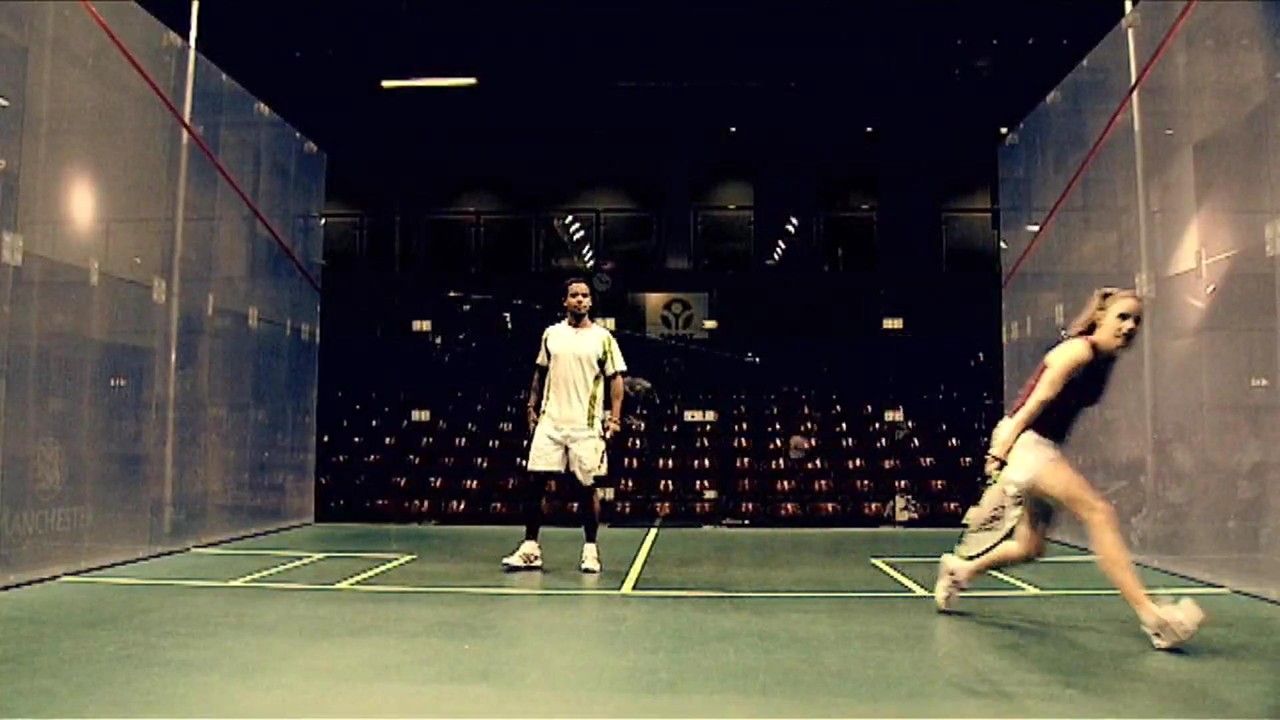
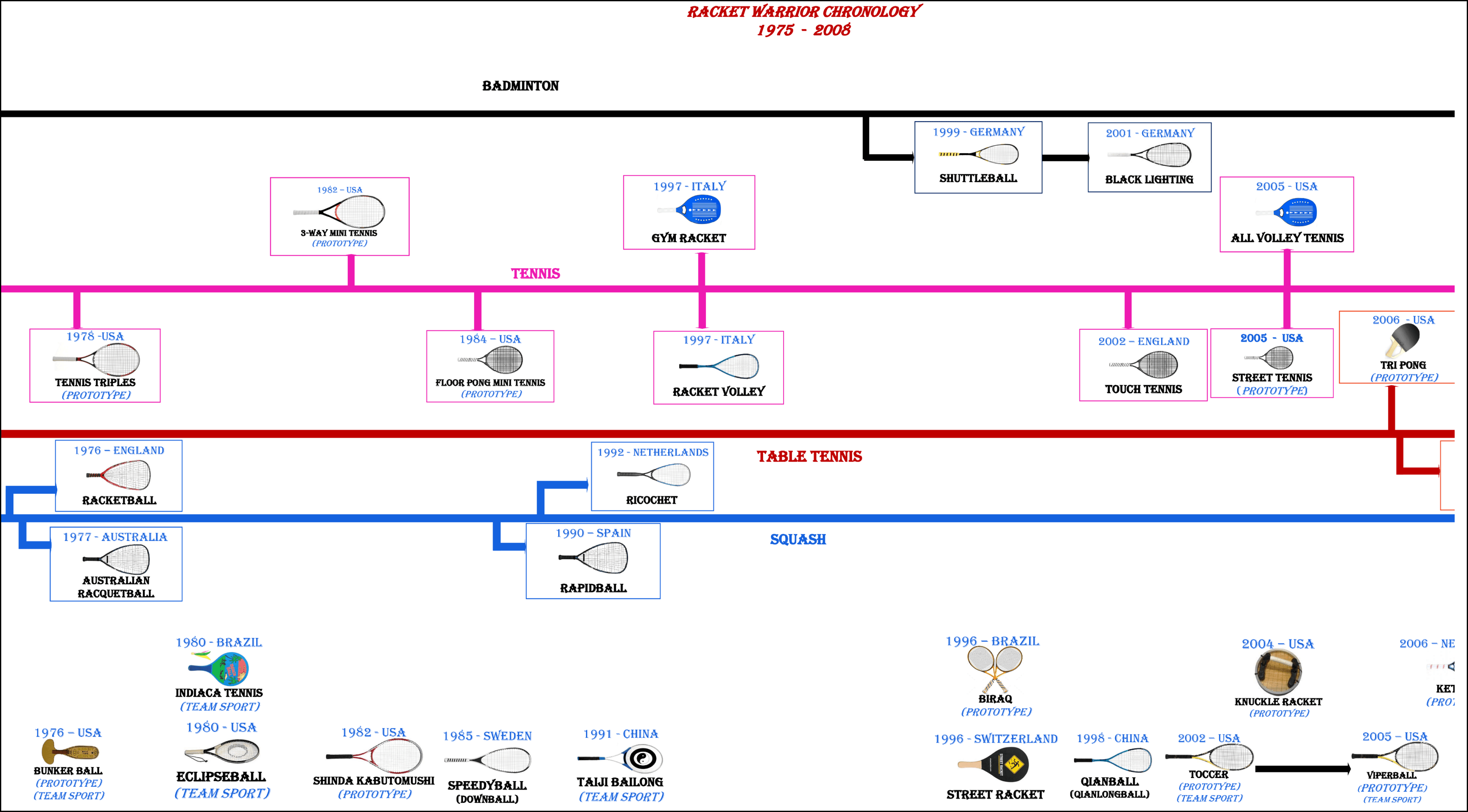
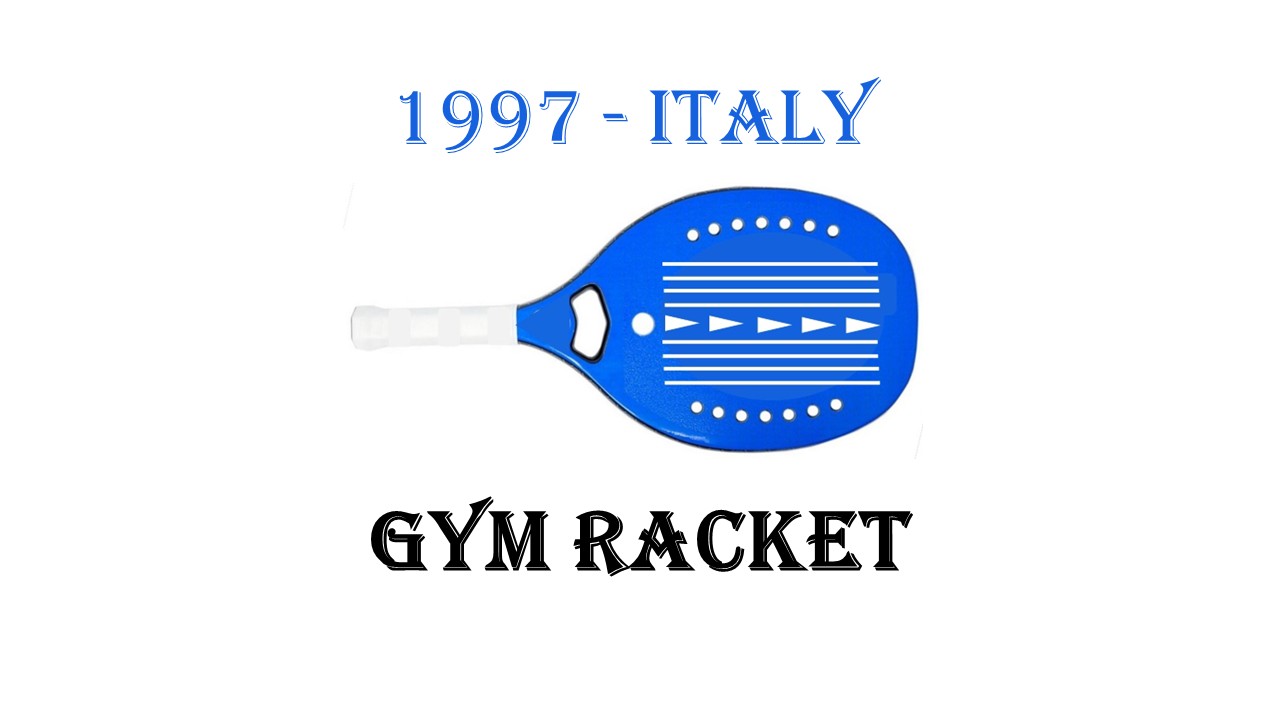
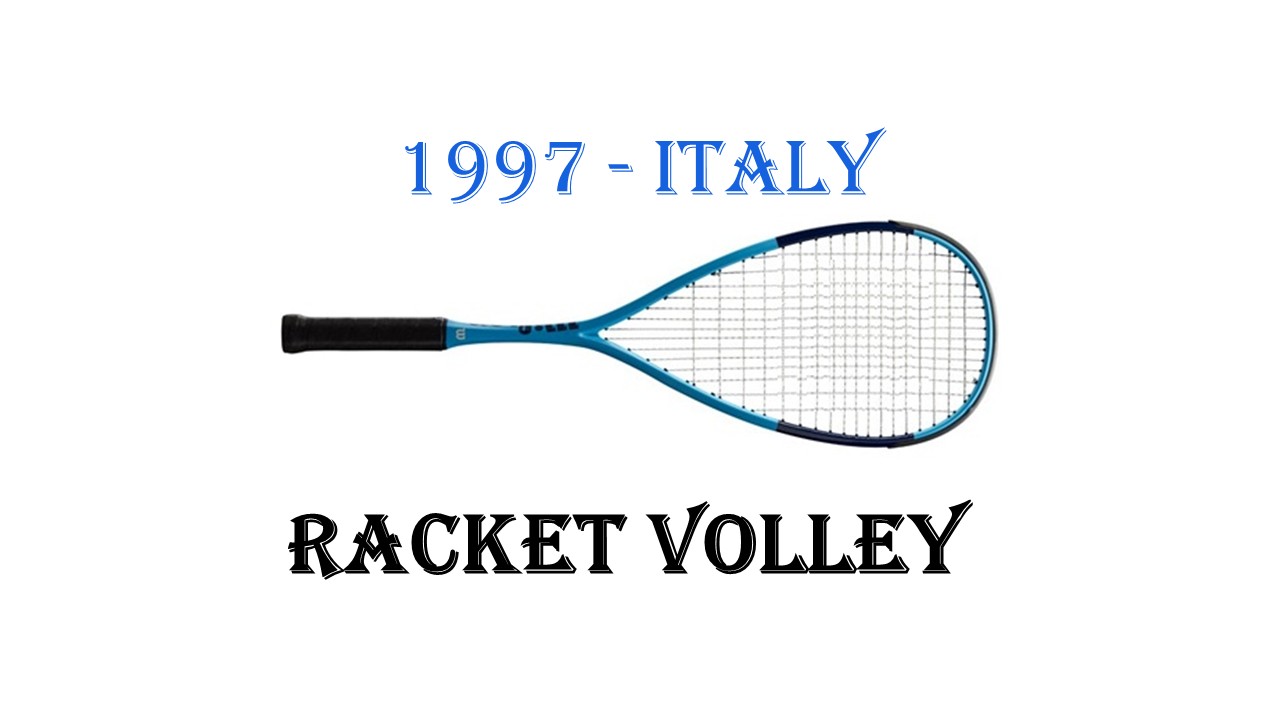
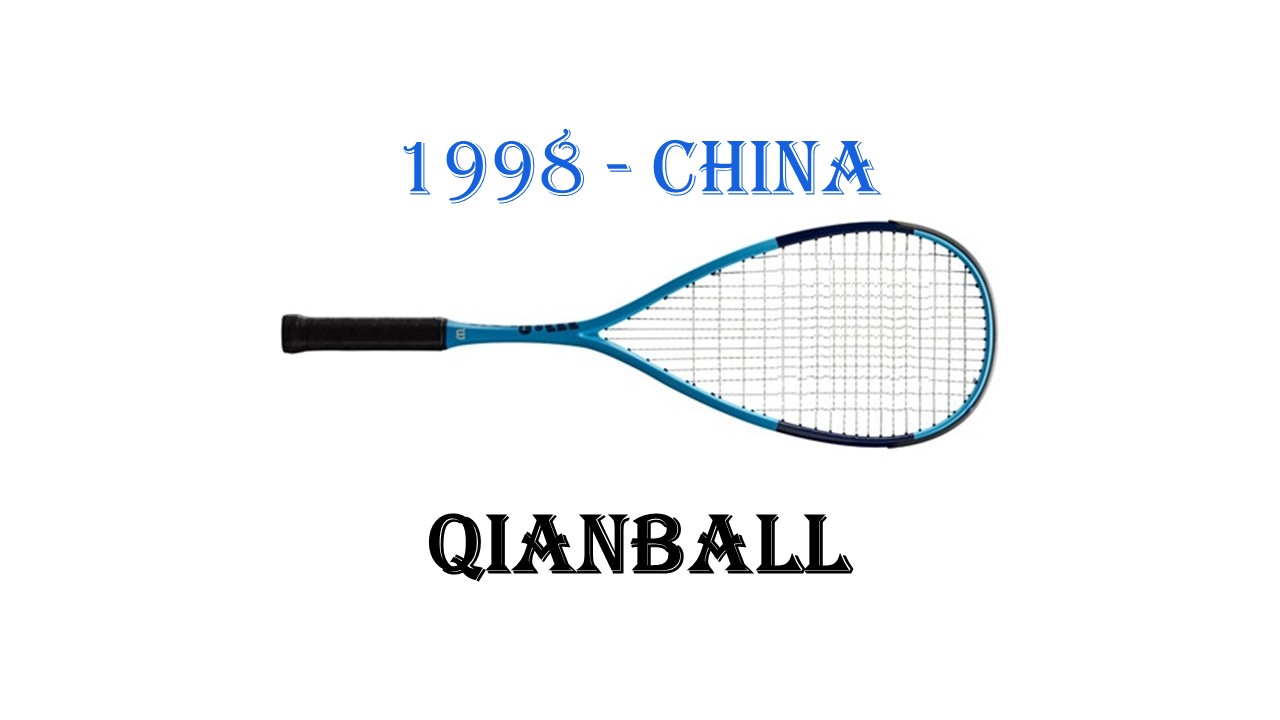
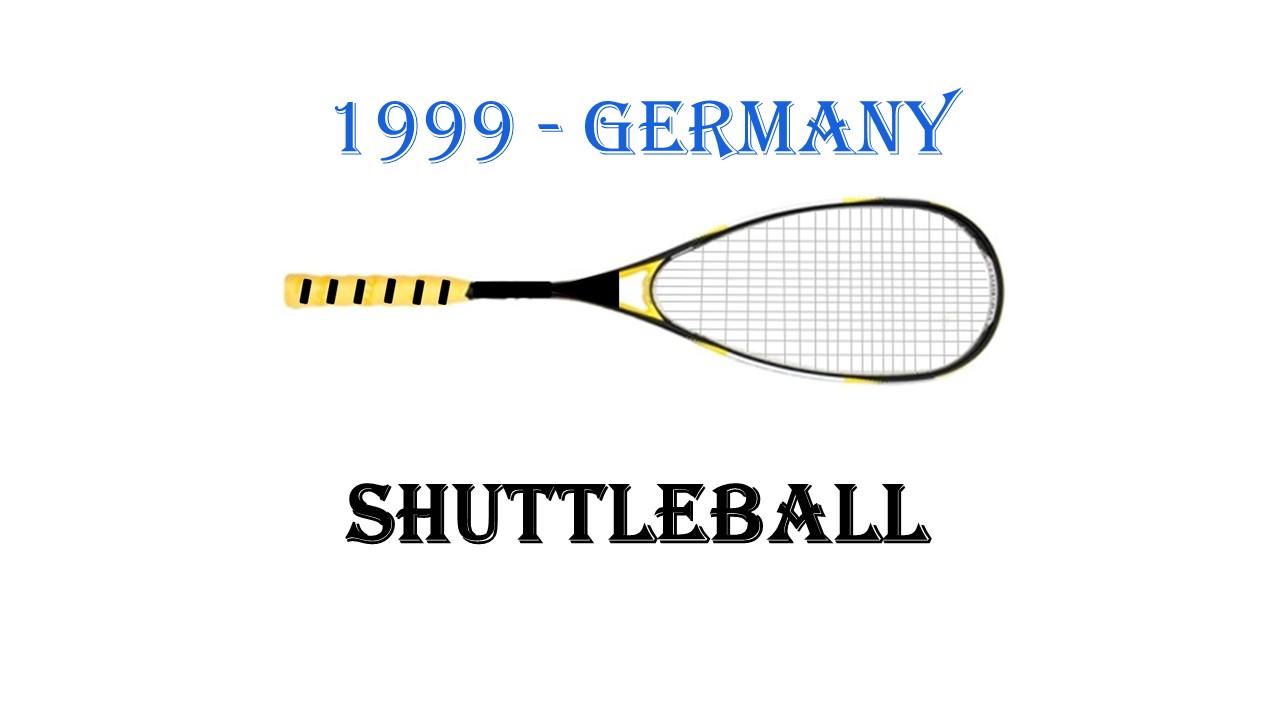
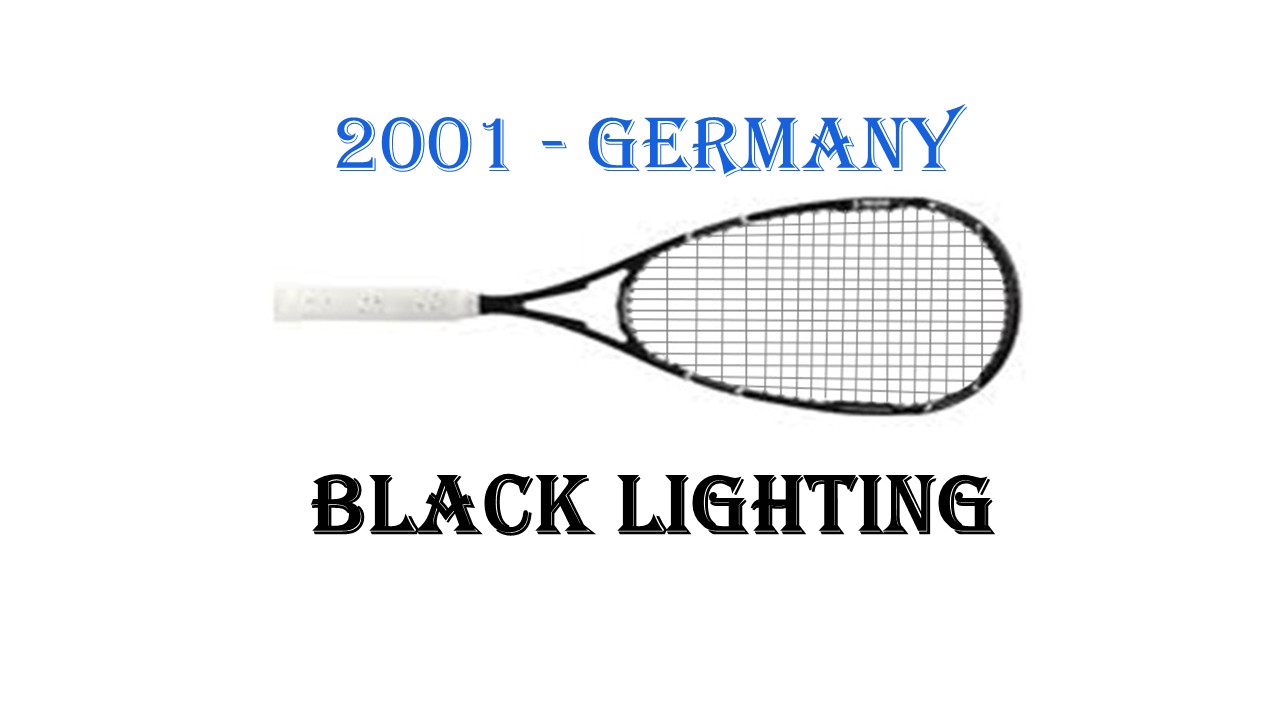
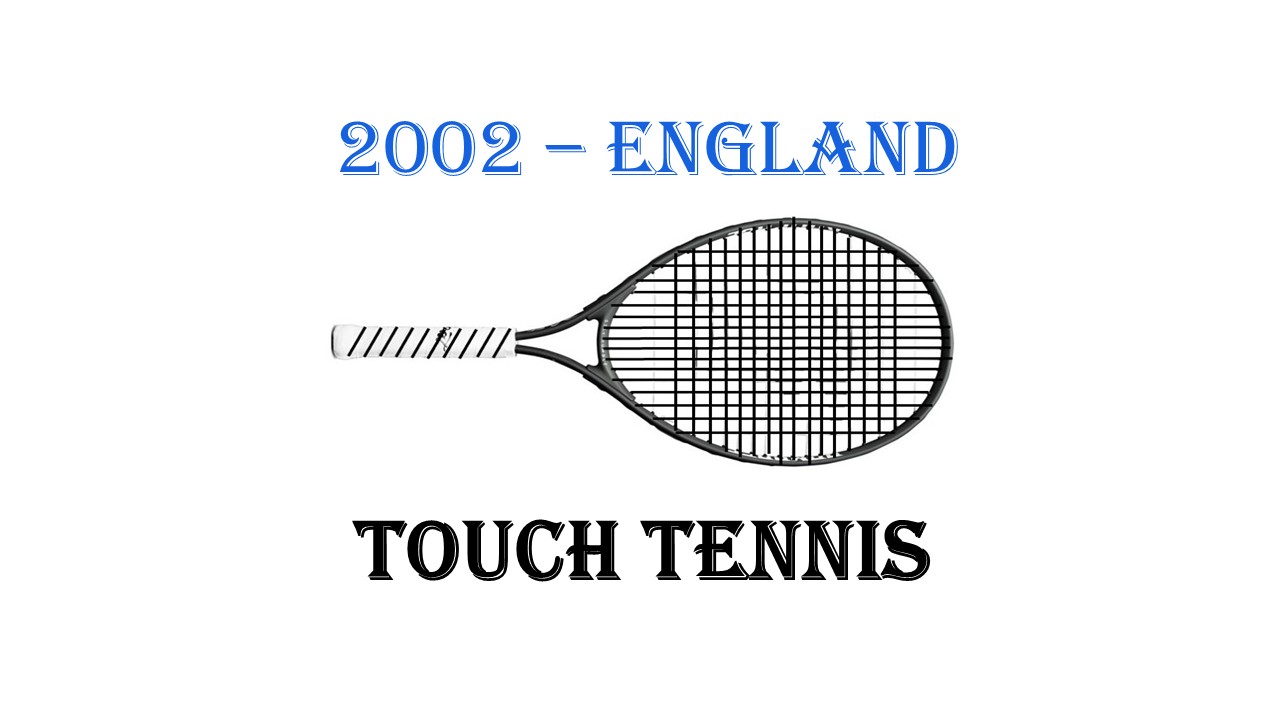
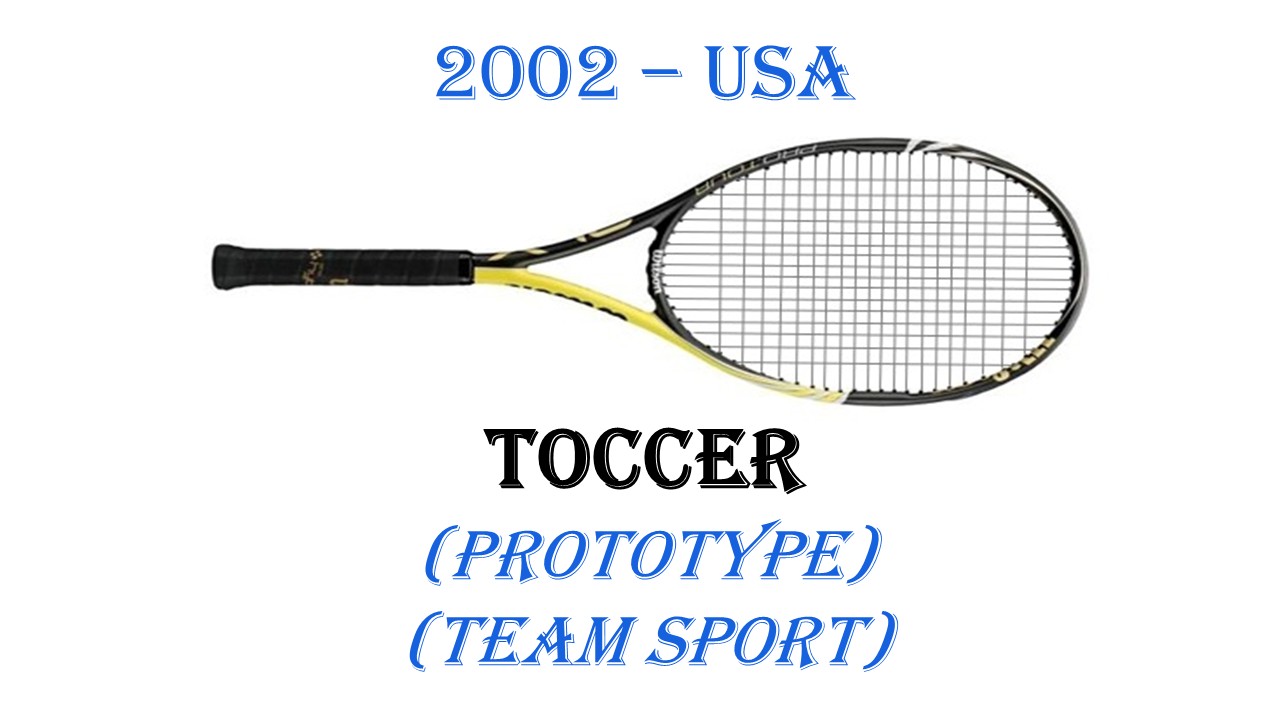
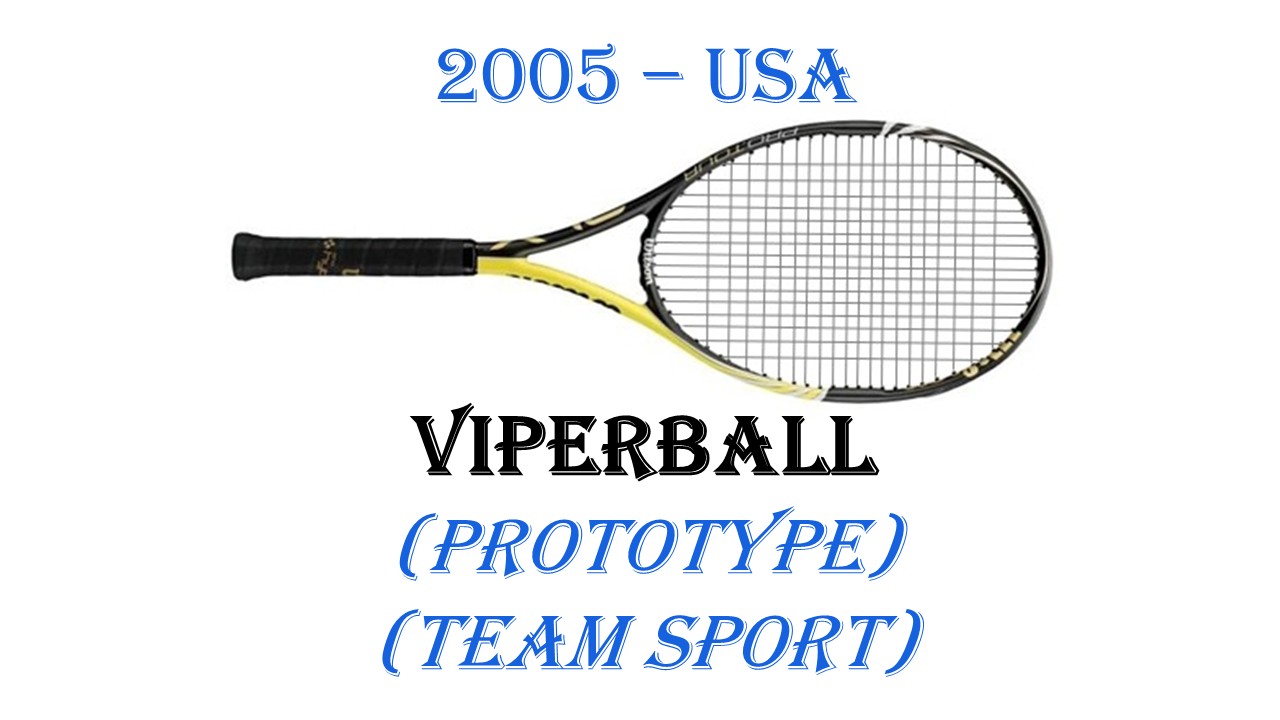
Between 1975 and 2008, racquet sports entered a period of rapid modernization and global expansion. Advances in equipment technology changed the way athletes played, with lighter frames, improved synthetic strings, composite materials, and more specialized designs helping players generate greater speed, control, and power. At the same time, professional competition became more visible through international tours, television coverage, sponsorships, and the continued growth of major championships.
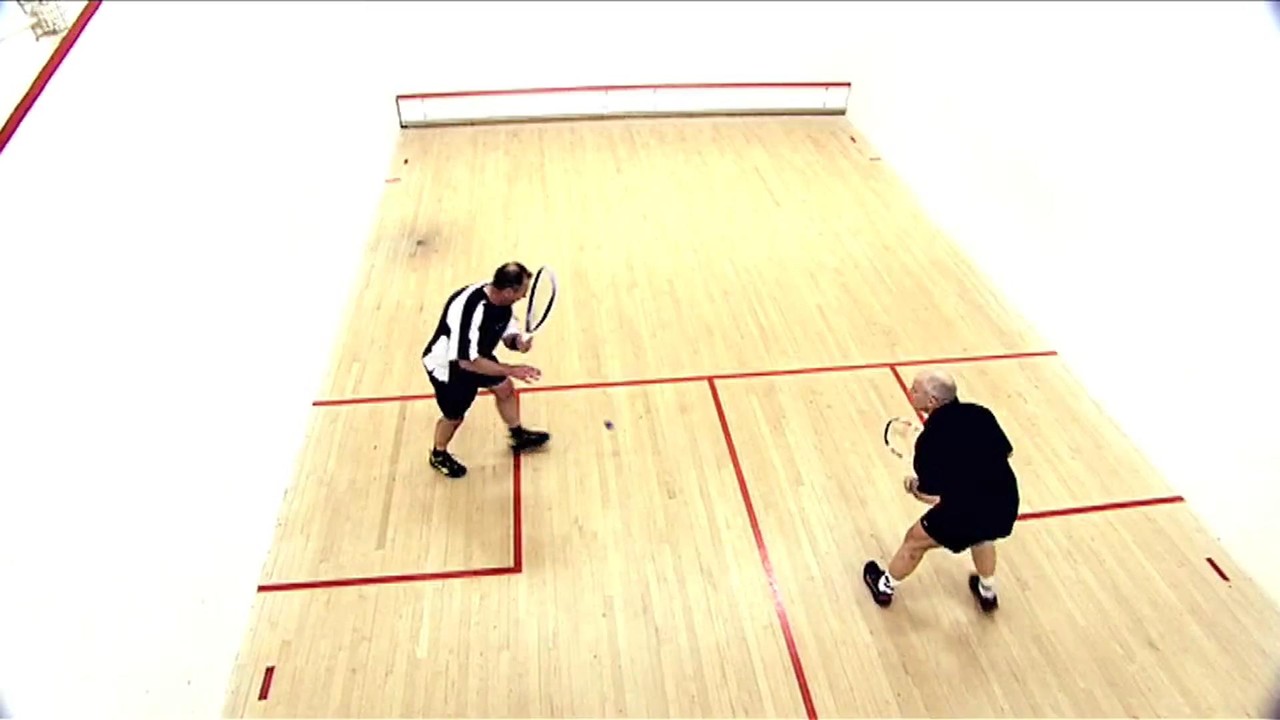
This era also saw racquet sports reach wider audiences around the world. Tennis strengthened its global professional structure, badminton became an Olympic medal sport in 1992, and squash continued expanding through international competition and professional tours. Table tennis remained one of the world’s most widely played racquet sports, while recreational participation continued to grow in clubs, schools, and communities.
By 2008, racquet sports had become more athletic, commercial, and internationally connected than ever before. Improved training, modern equipment, global tournaments, and broader access helped shape the competitive racquet-sports culture that continues to influence players today.








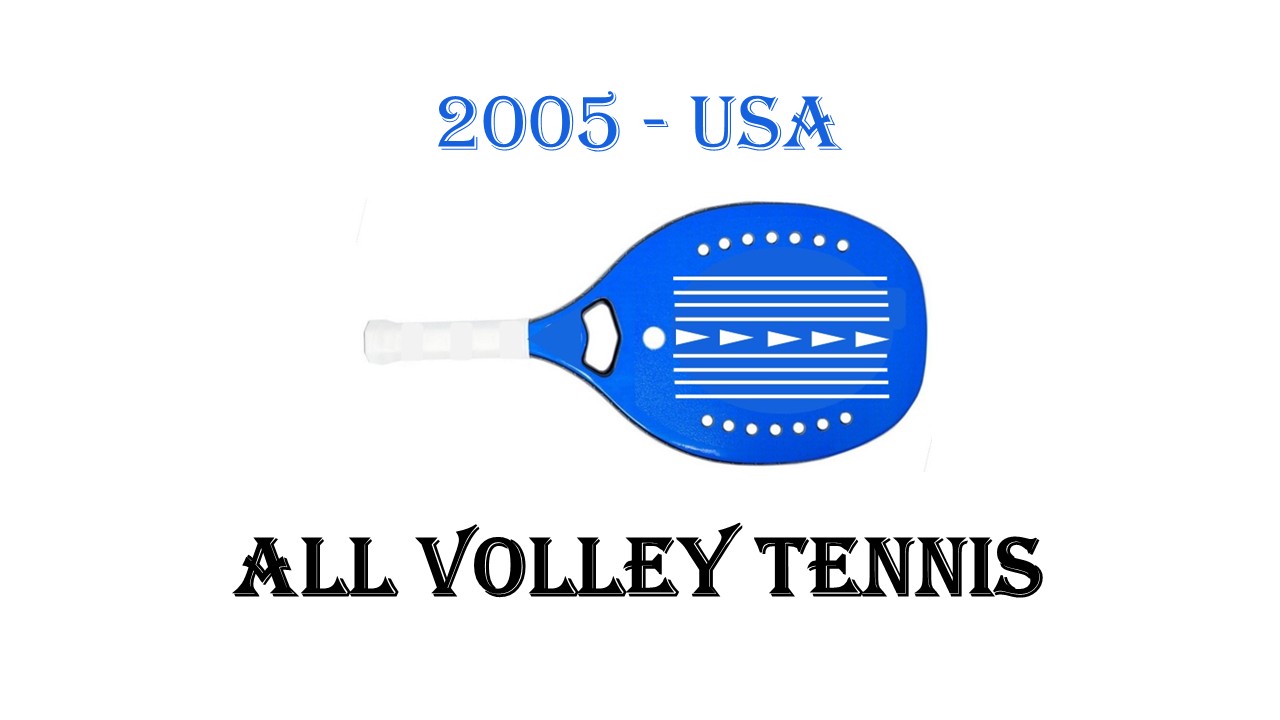



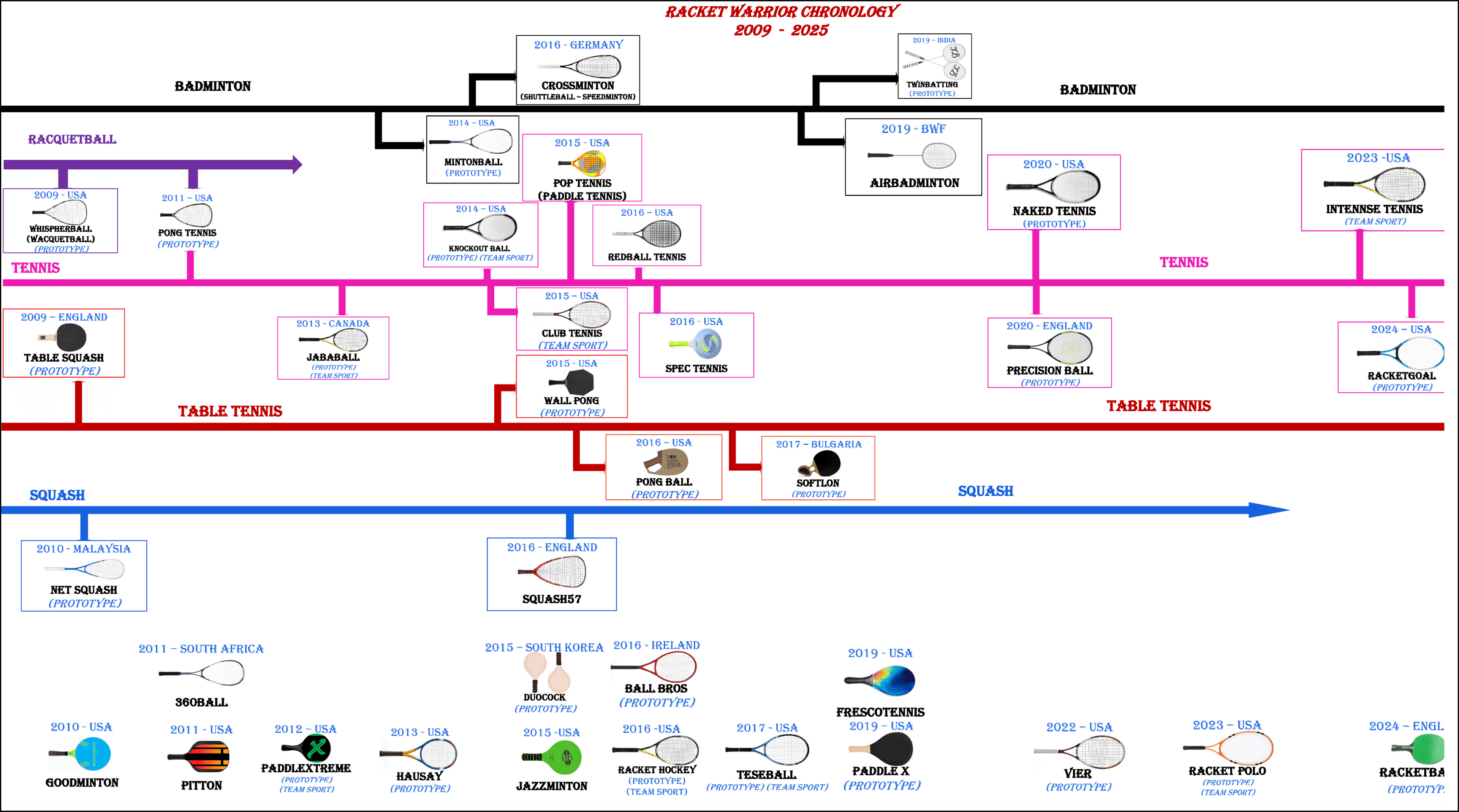
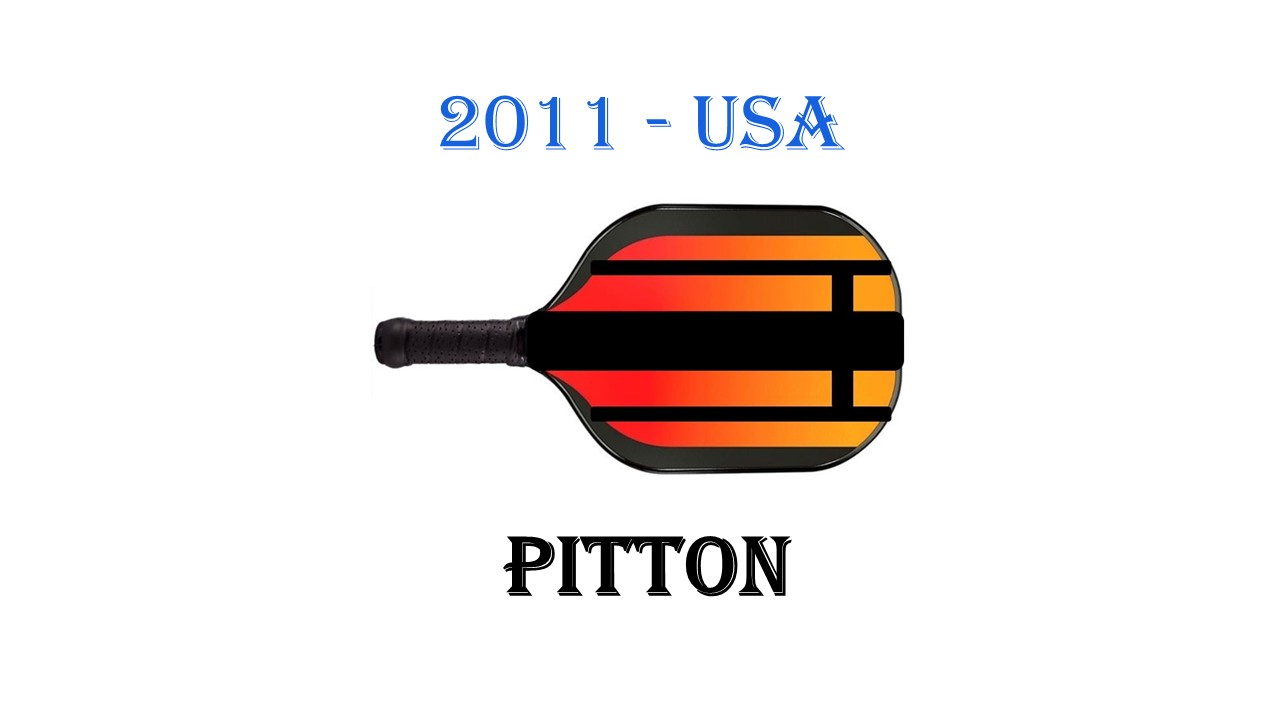
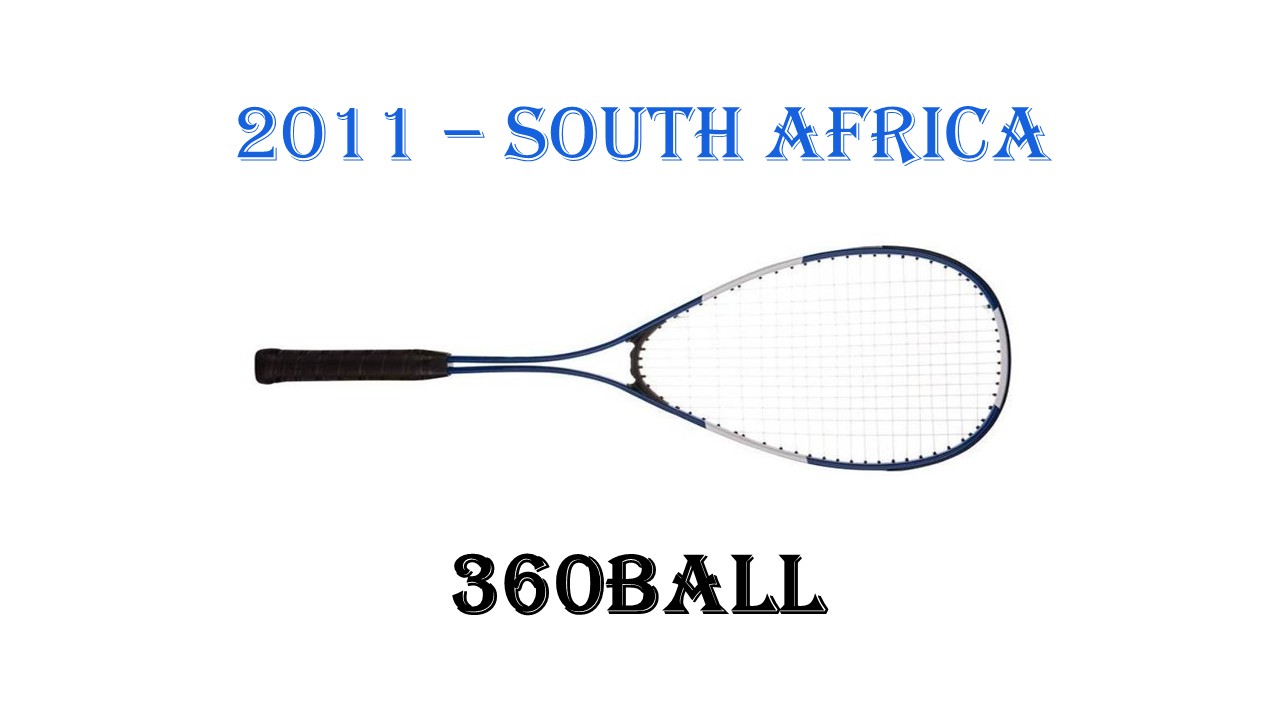
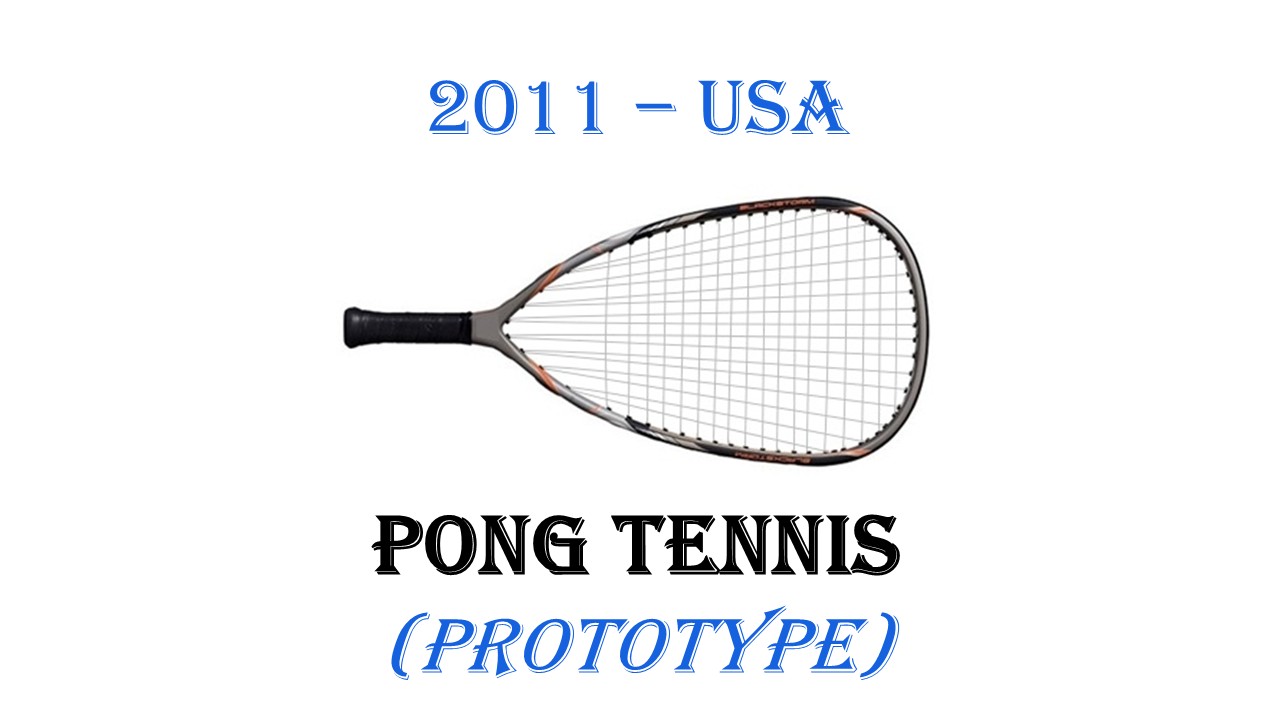
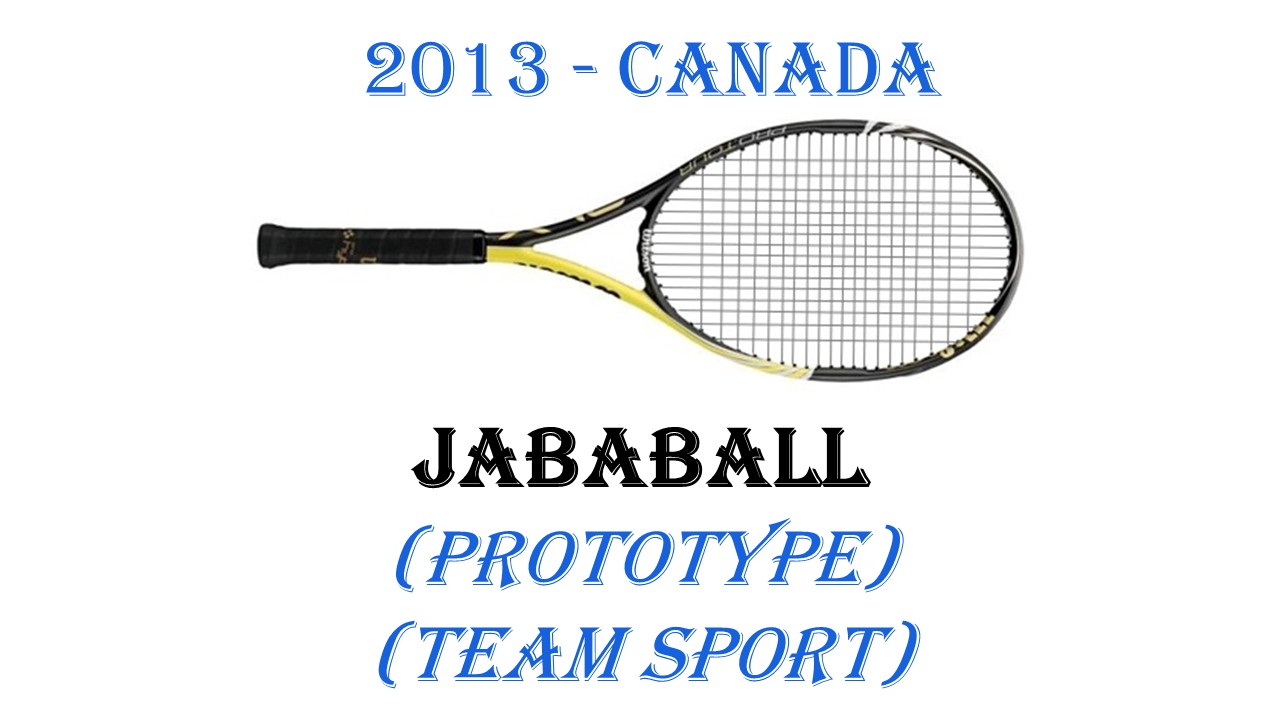
Racket Warrior Chronology 2009 - 2026
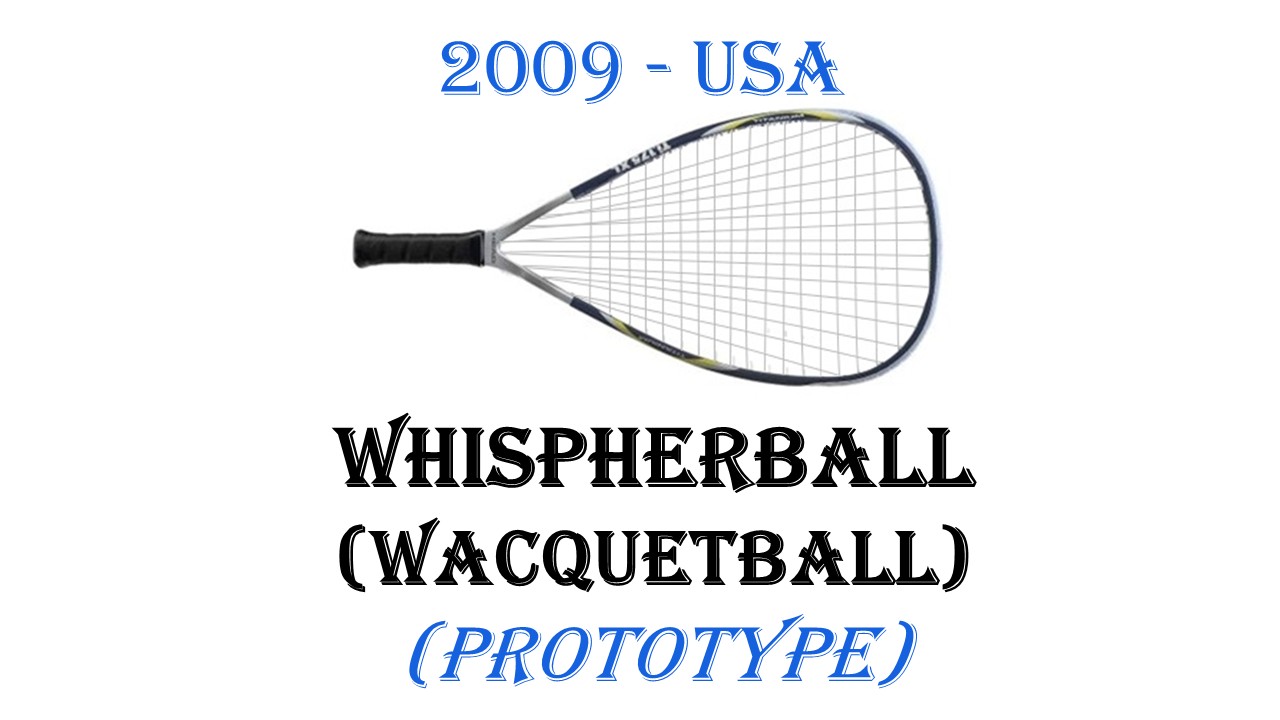
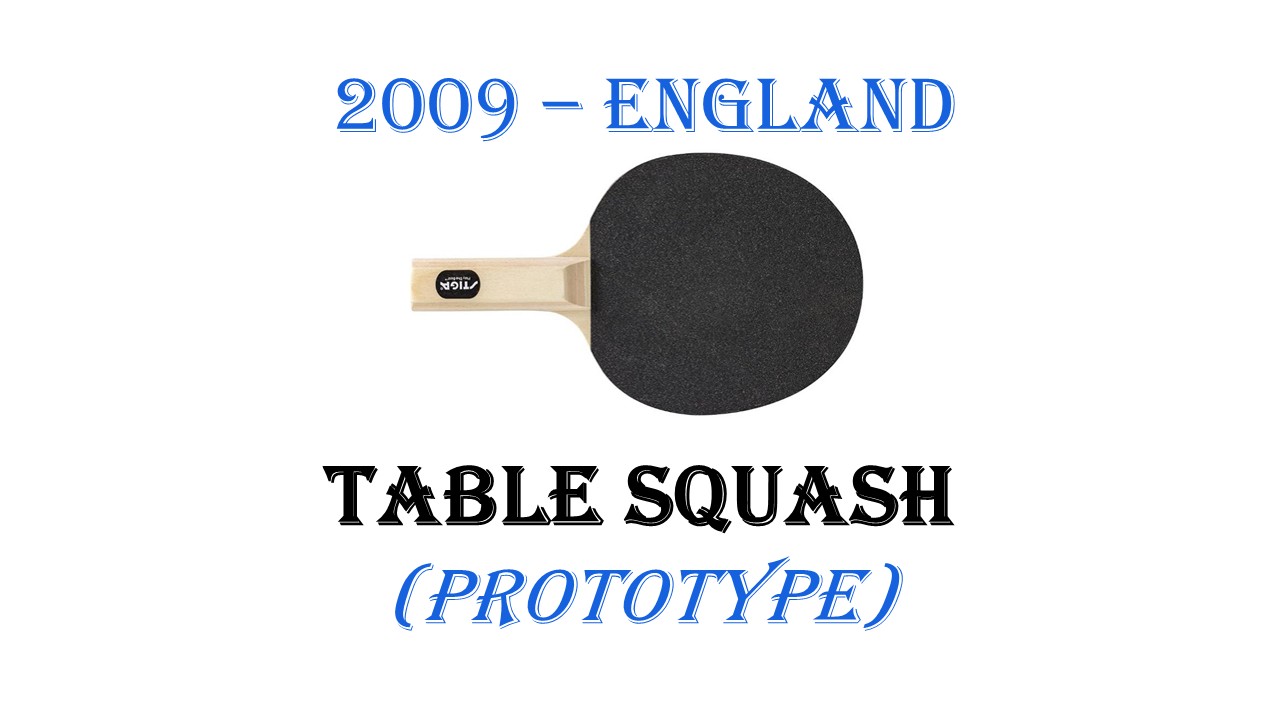
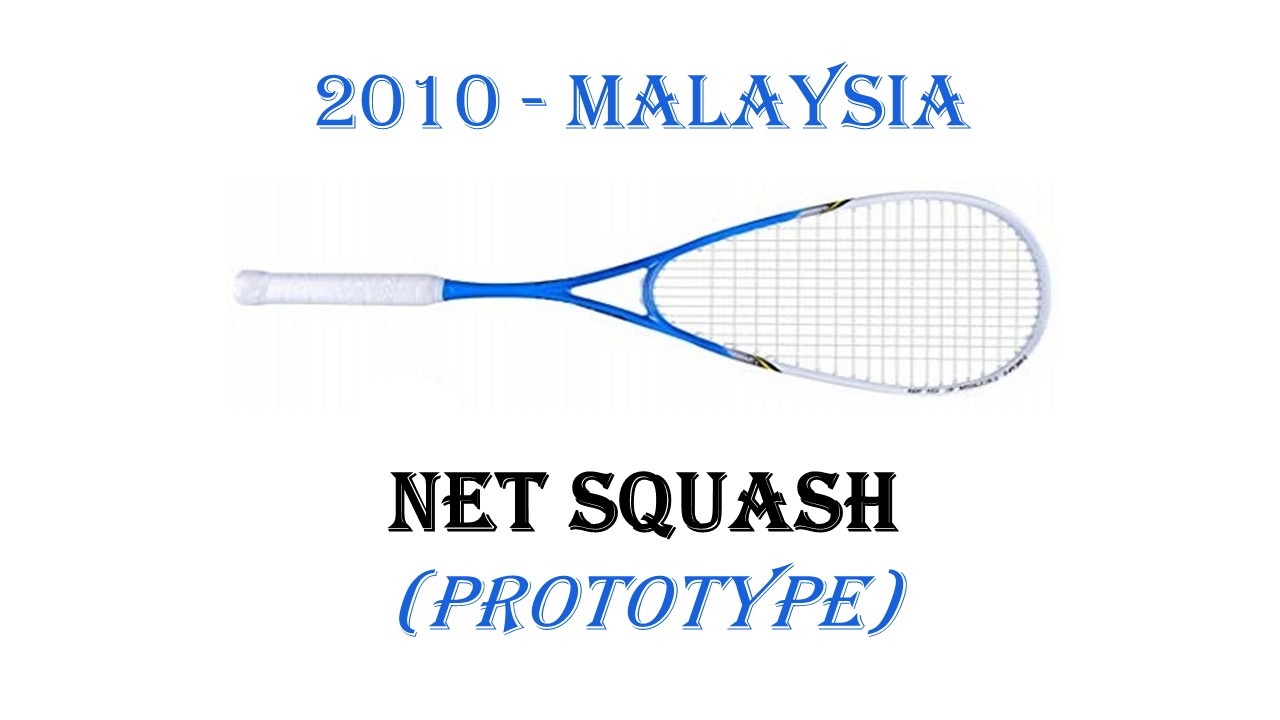
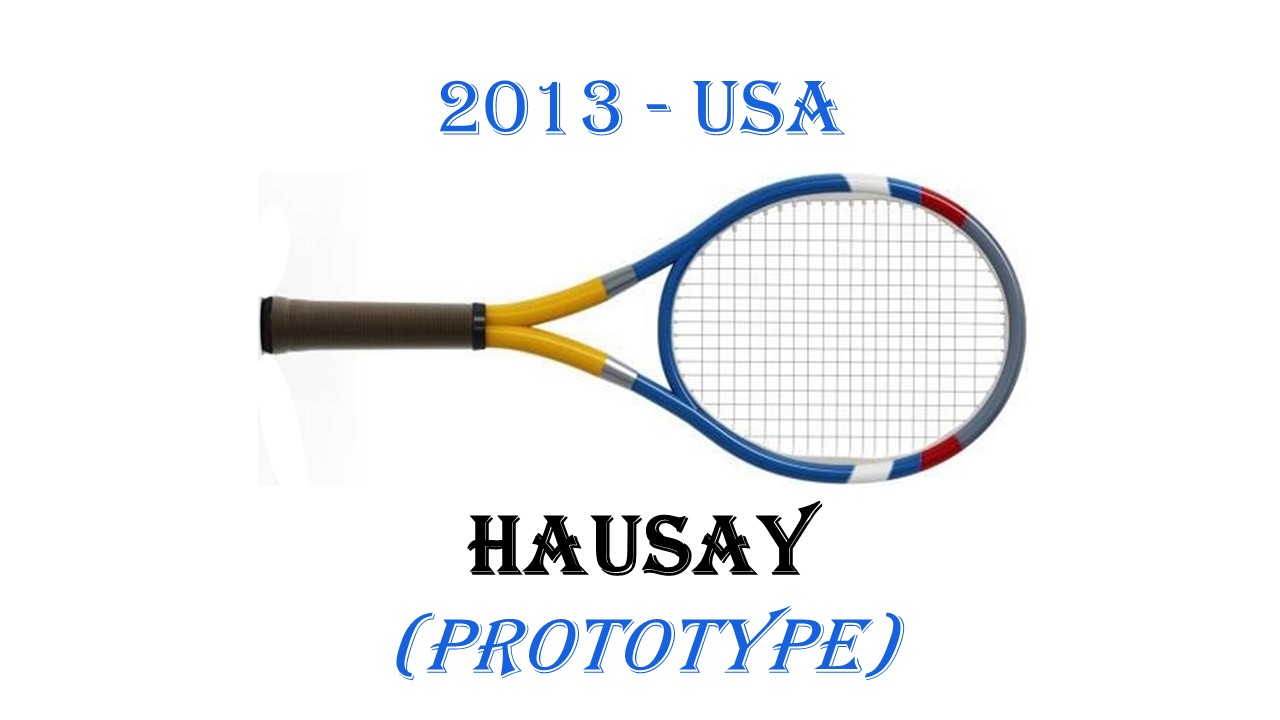
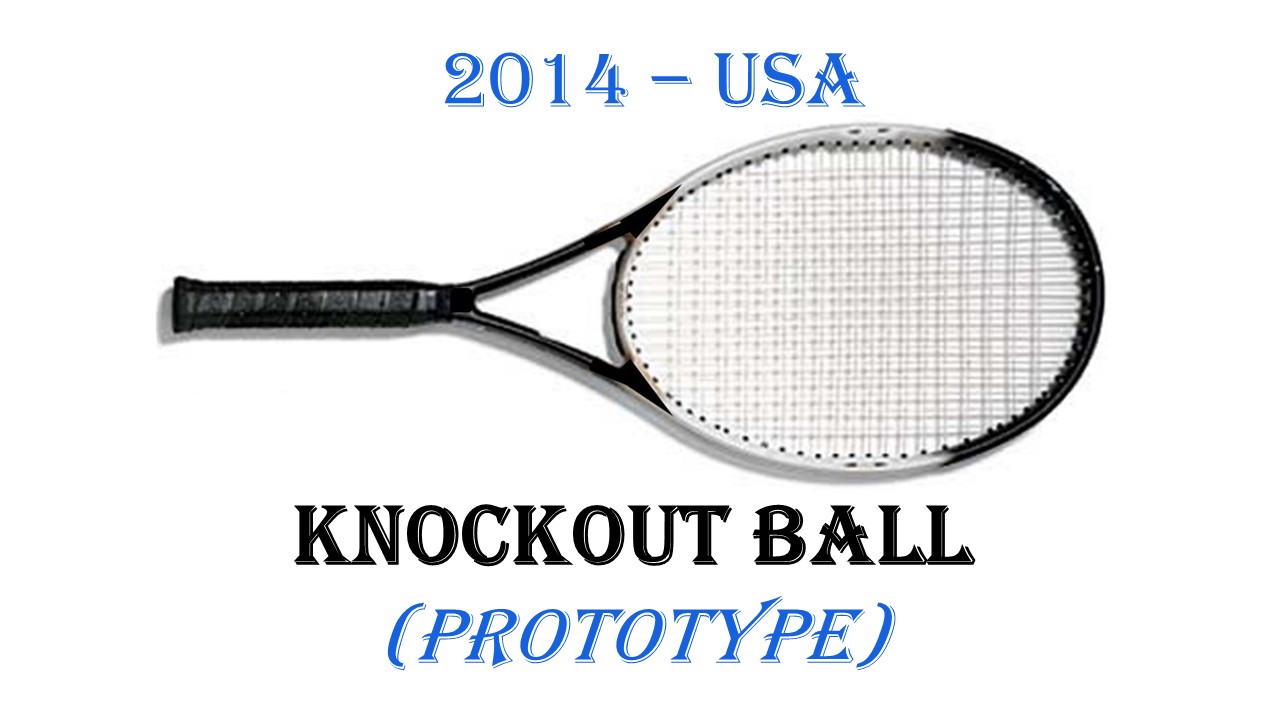
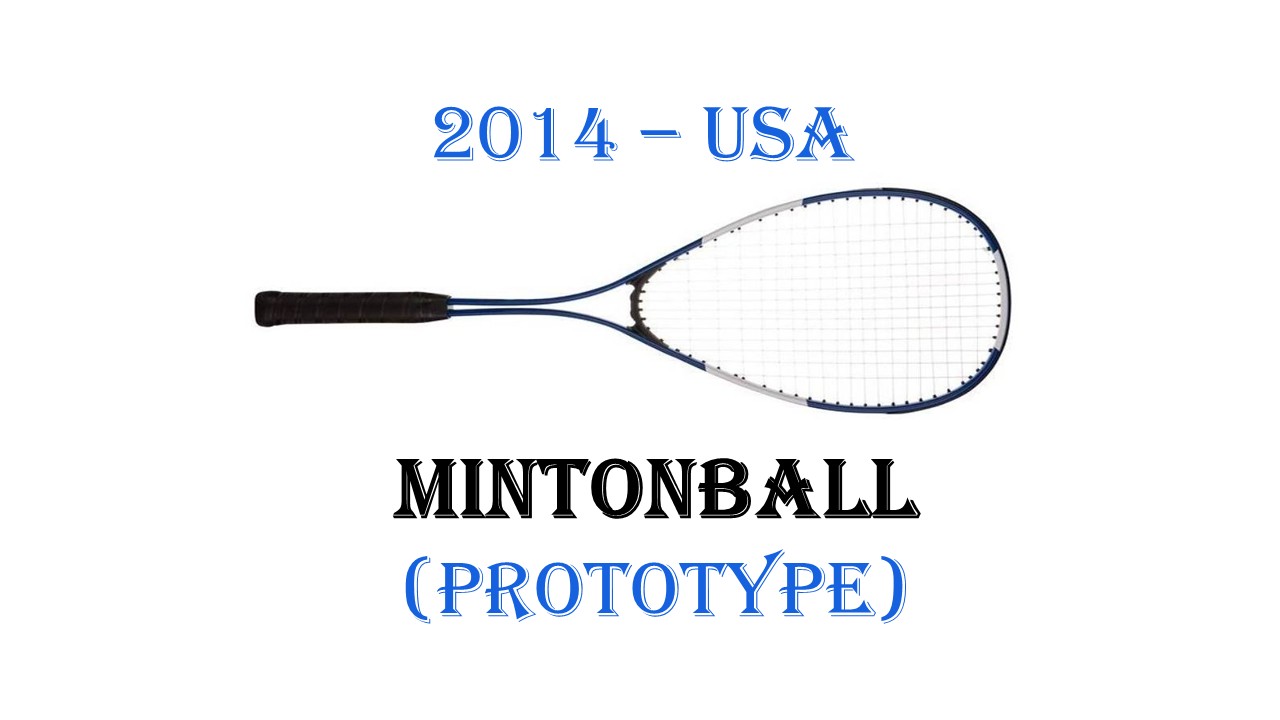
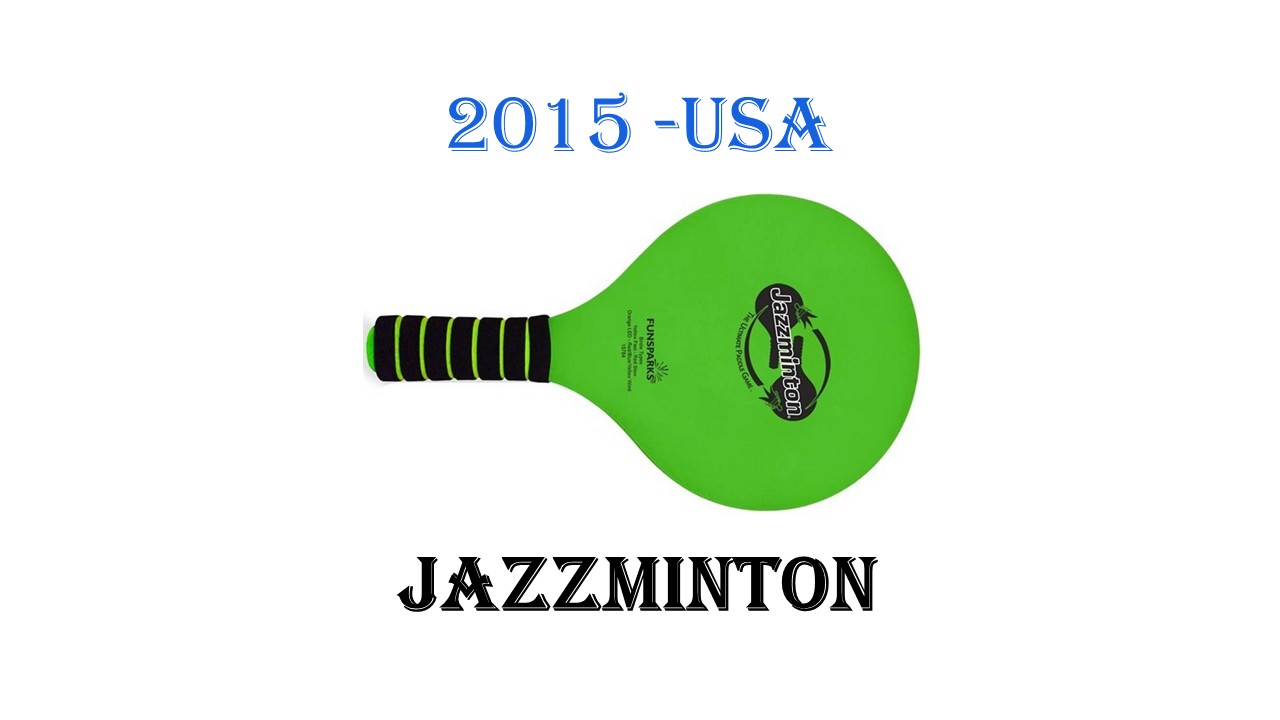
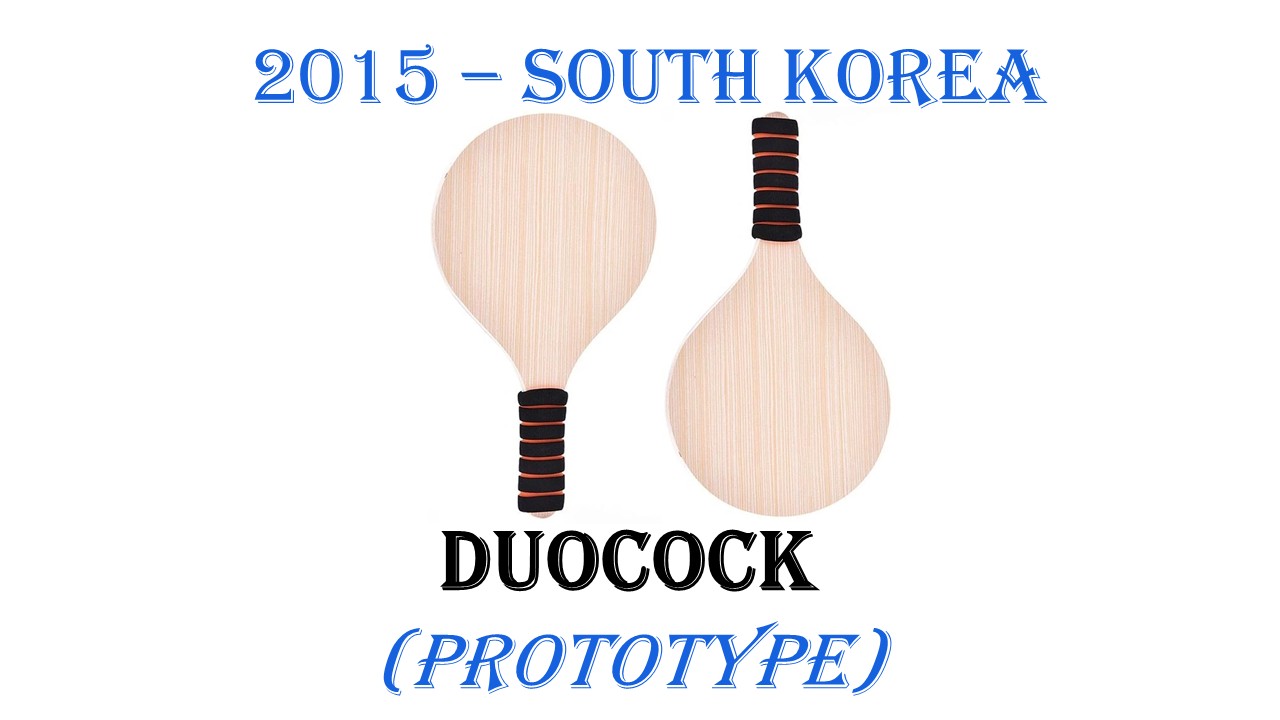
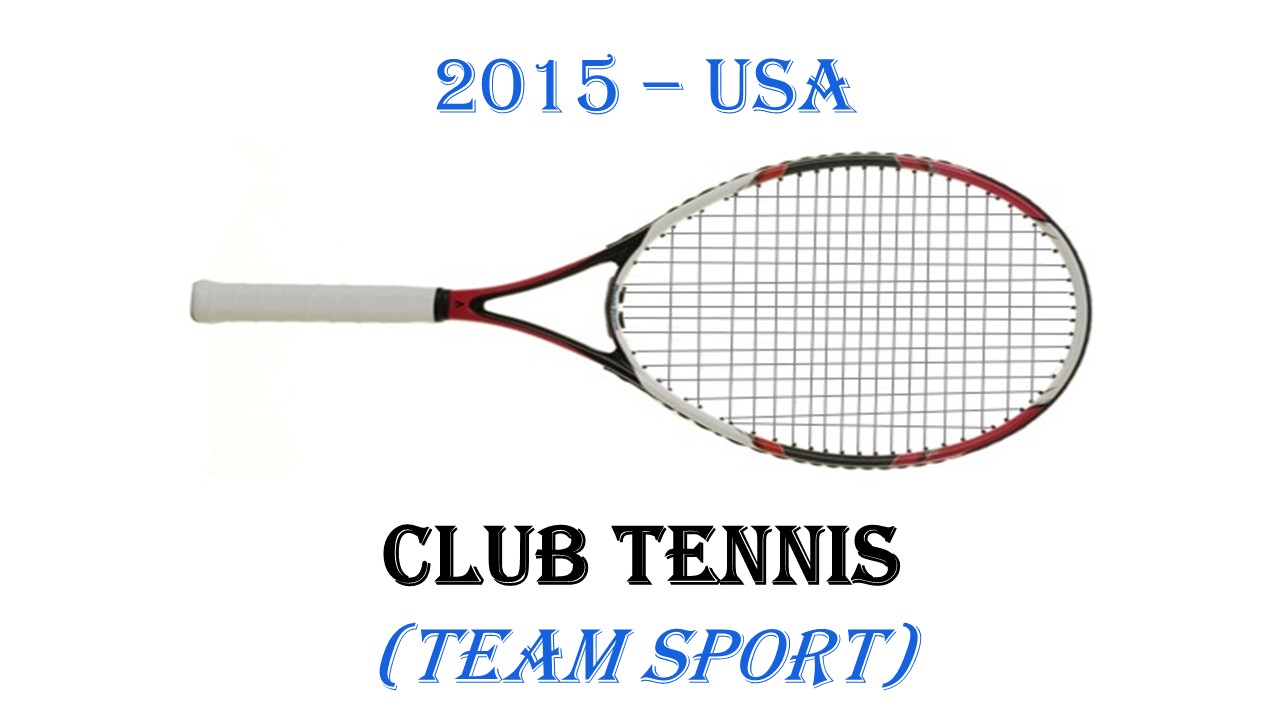
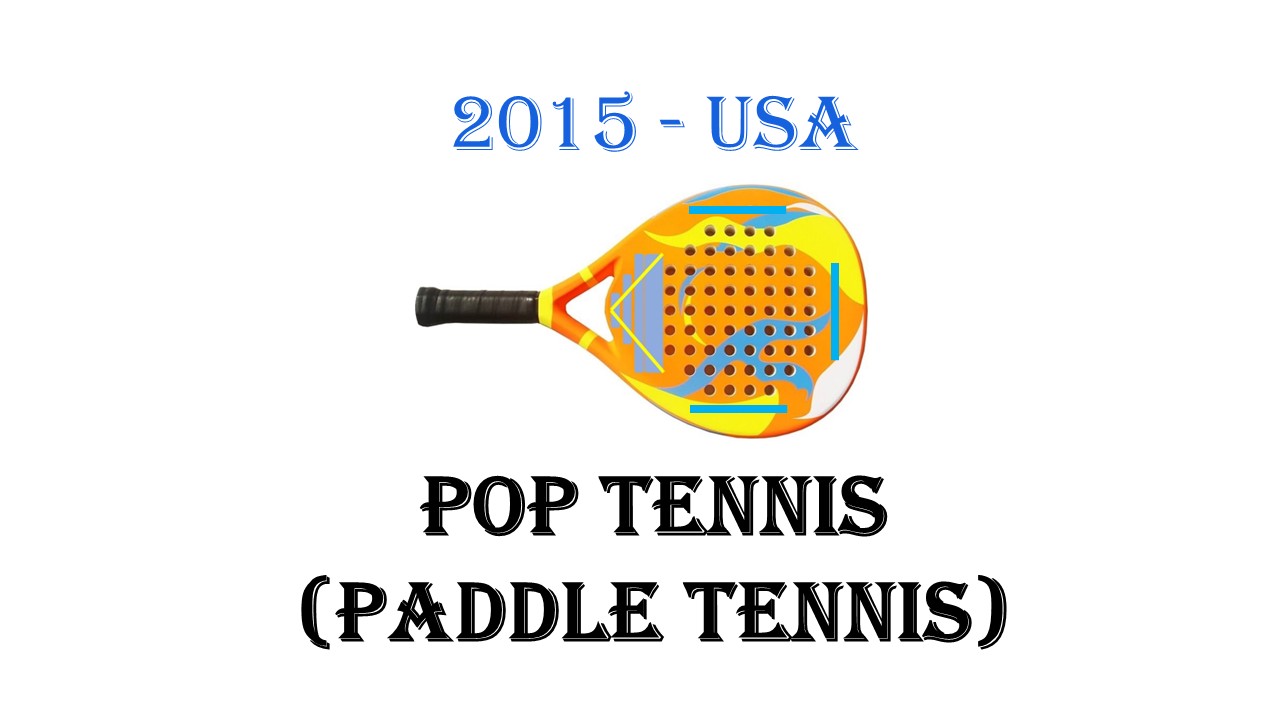
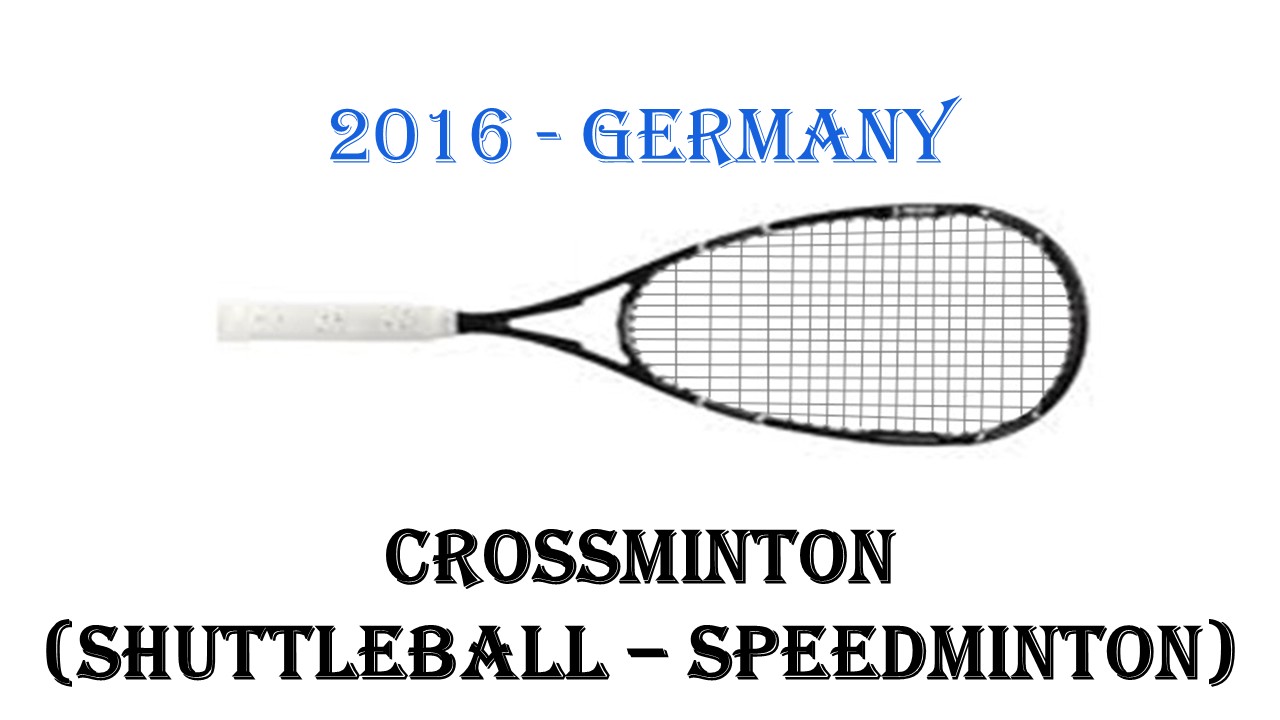
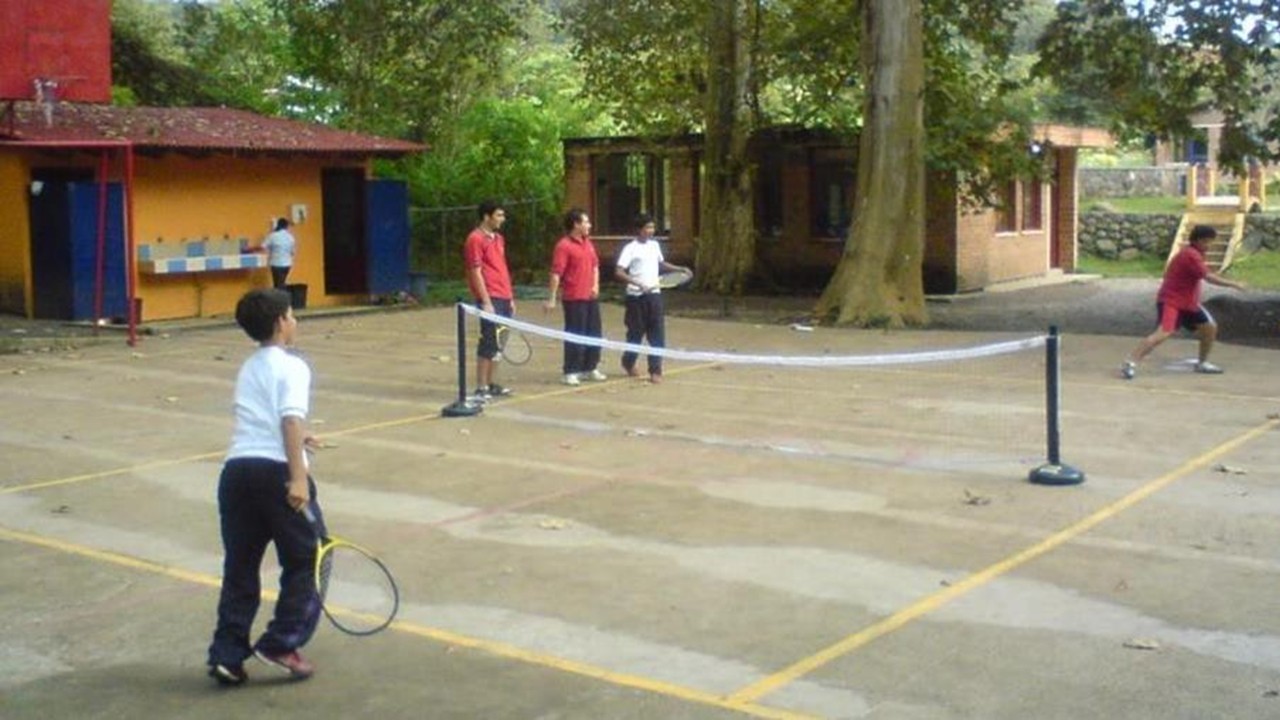
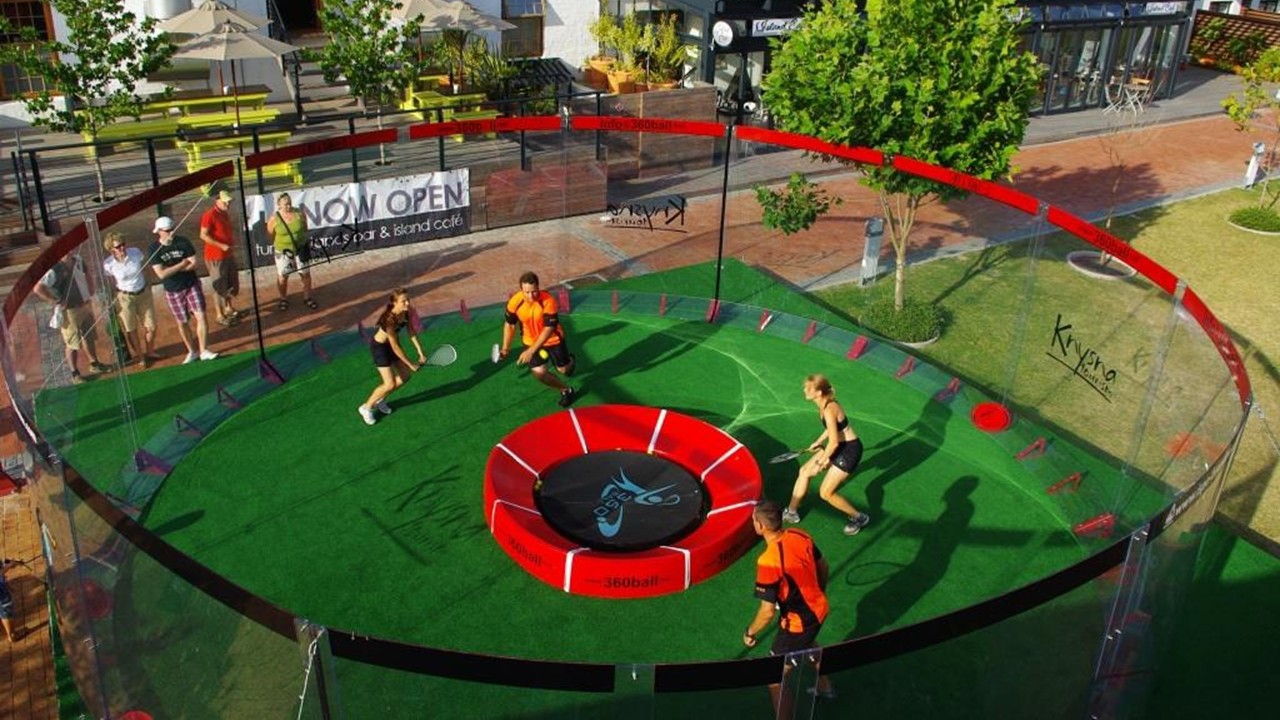
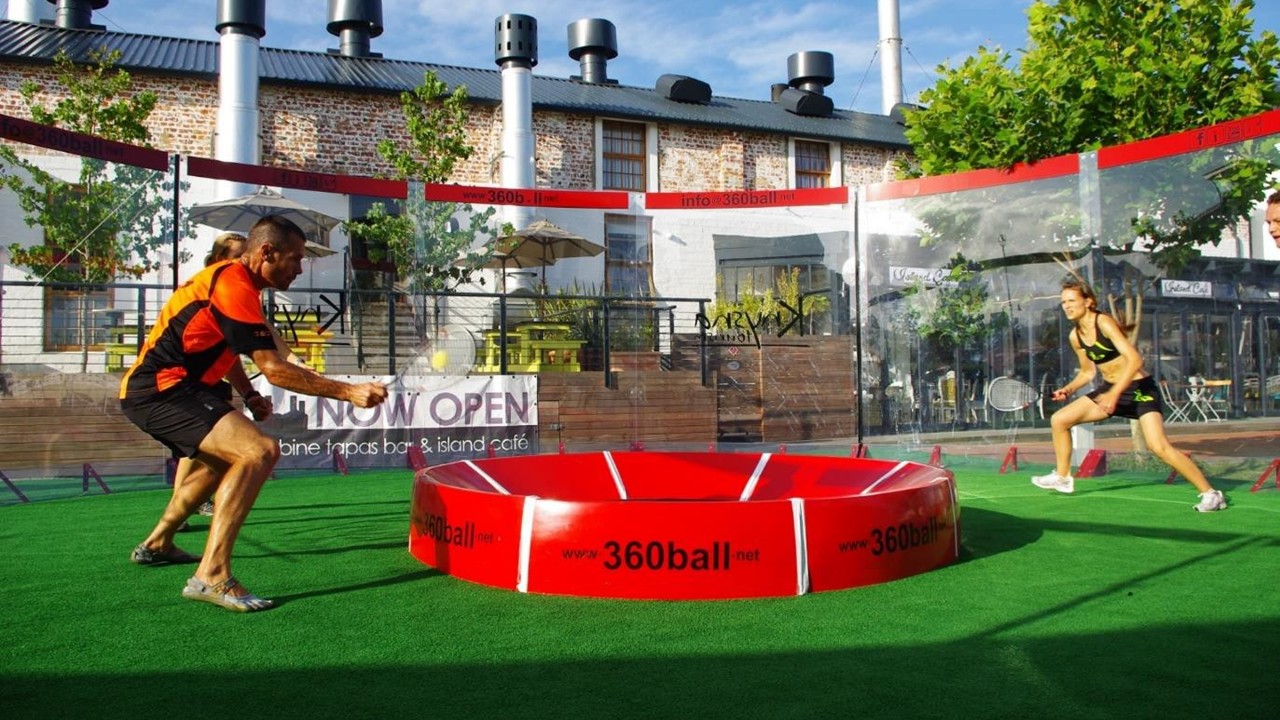
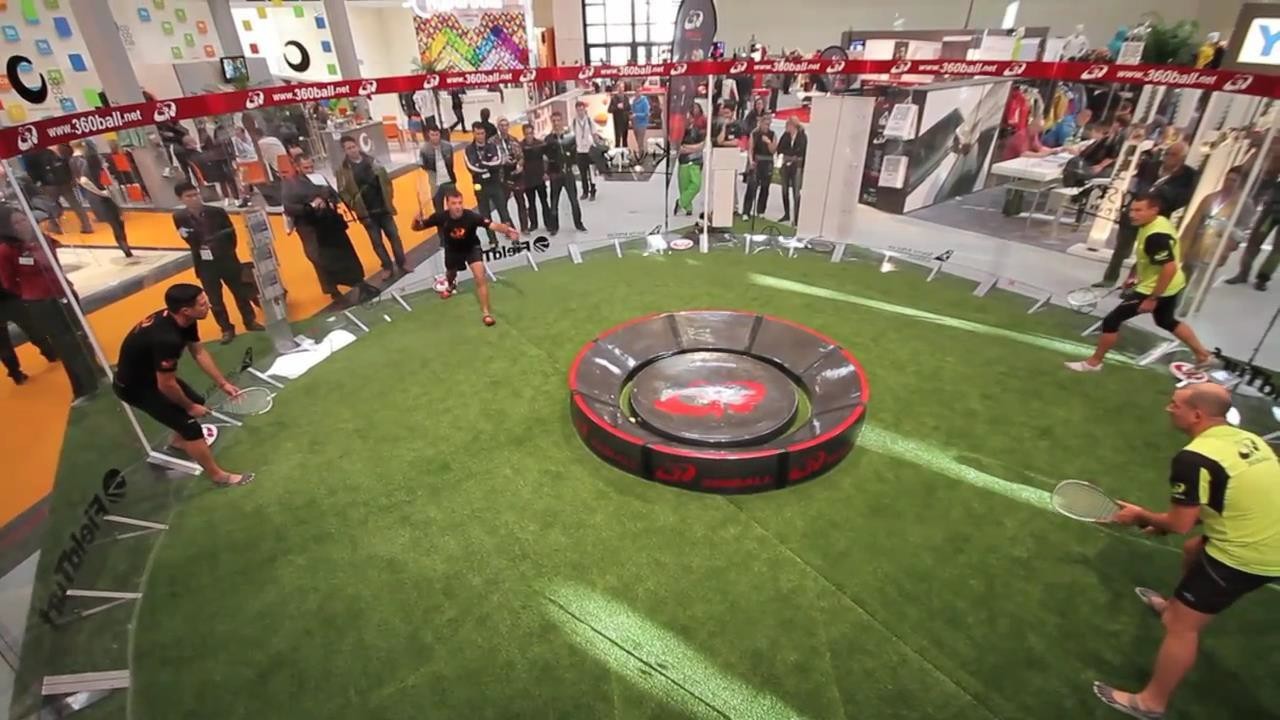
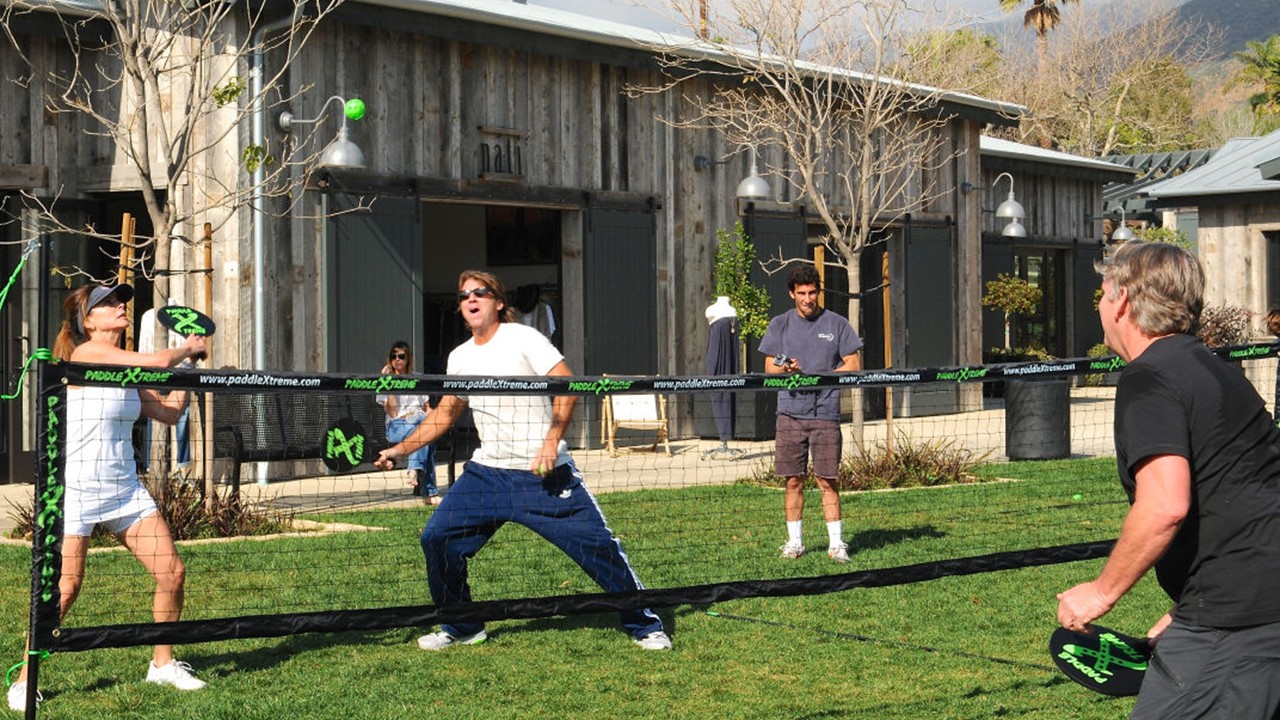
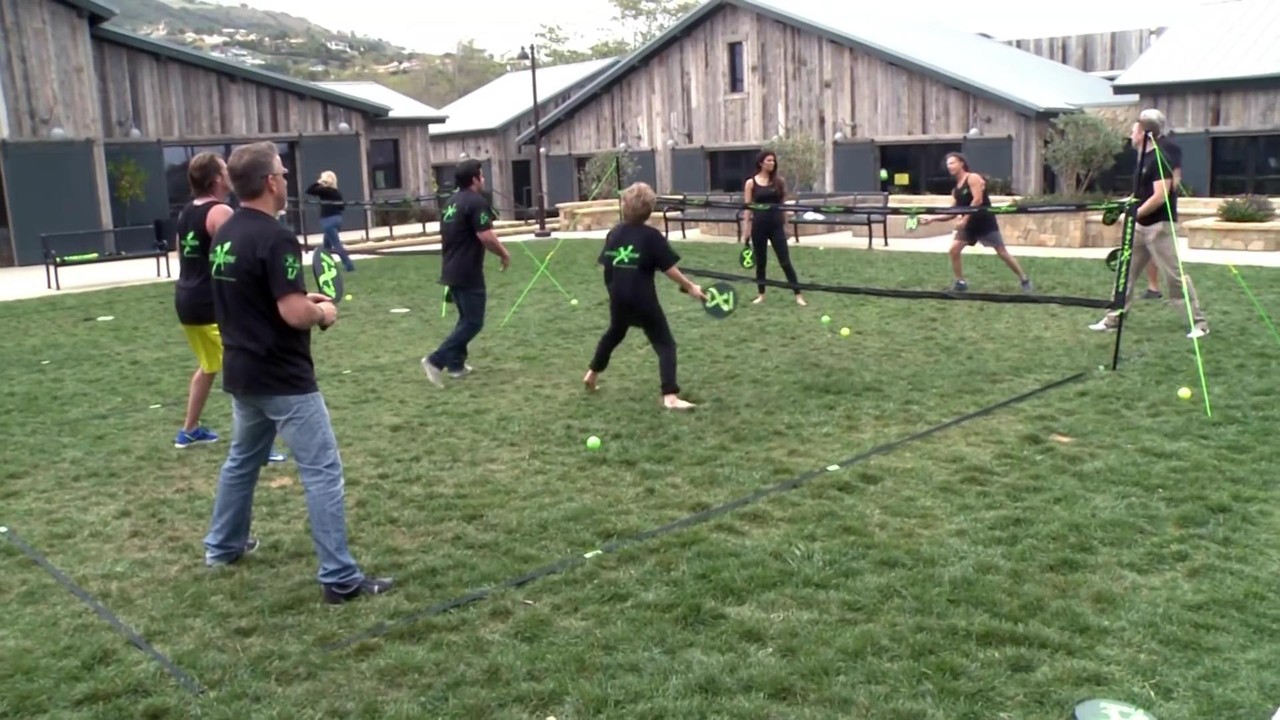
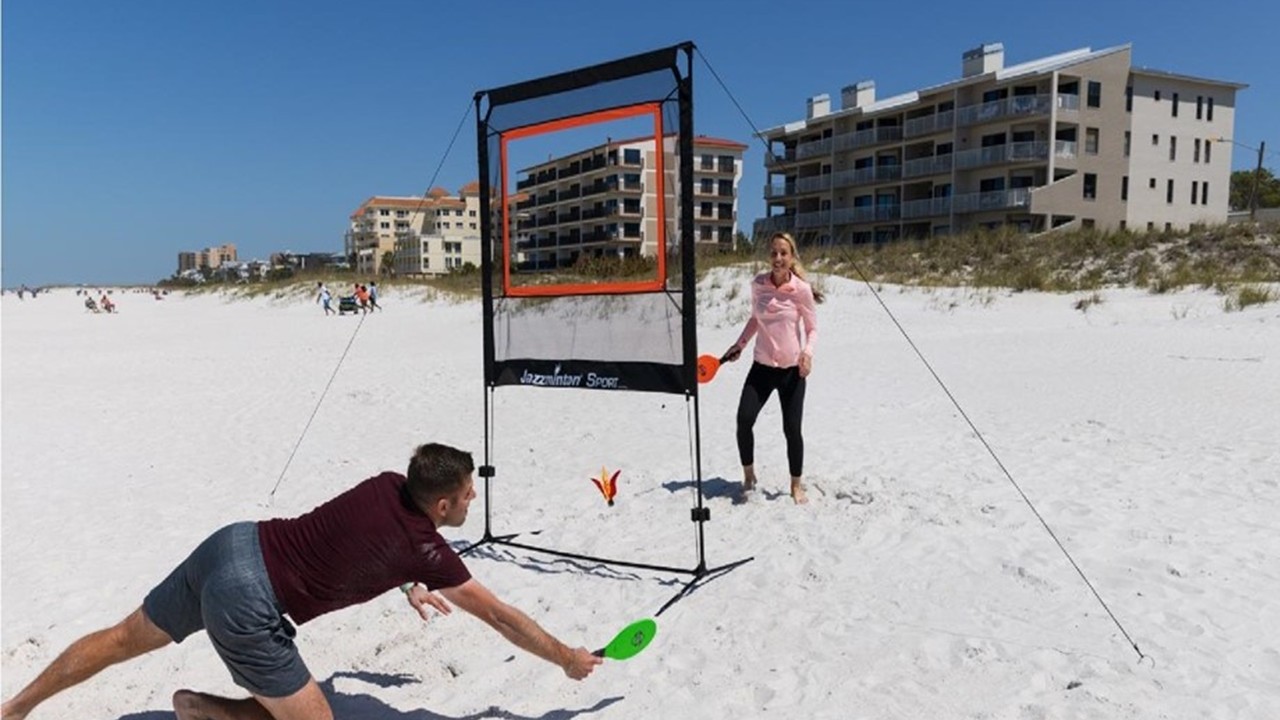
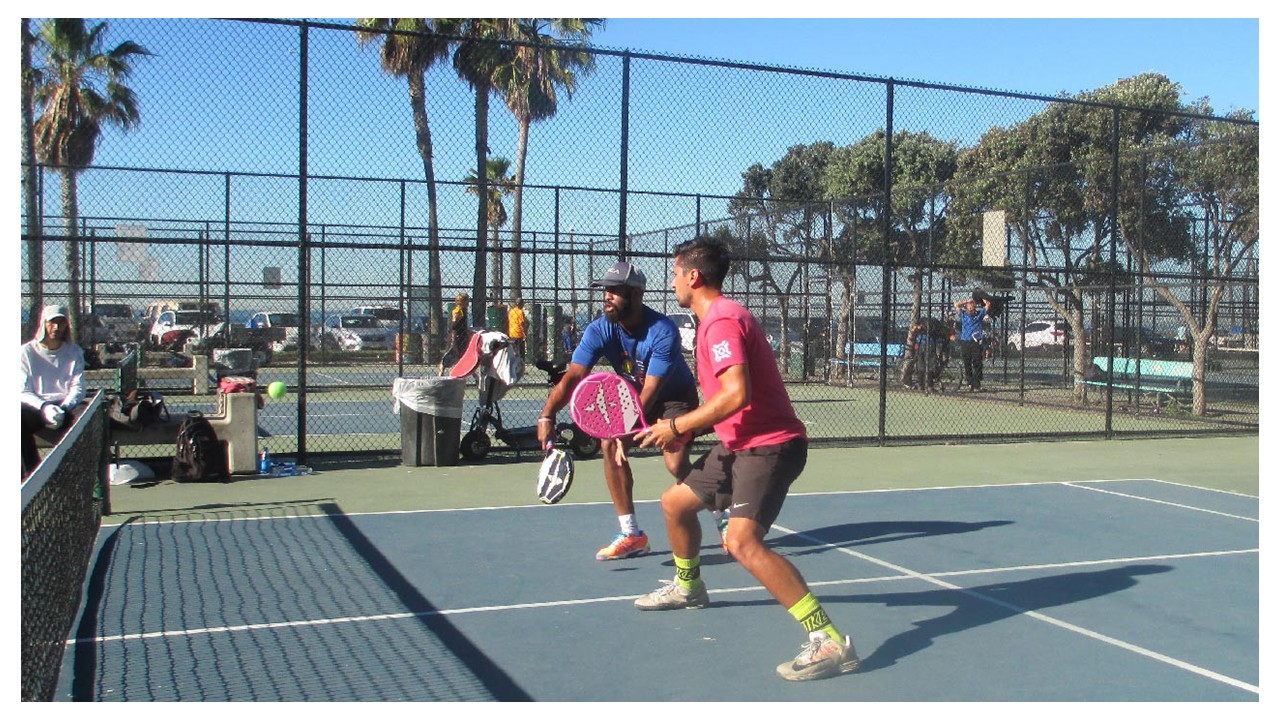
From 2009 through 2026, racquet sports continued to evolve through technology, accessibility, and changing player communities. Tennis, badminton, squash, table tennis, and other established sports remained strong, while newer racquet and paddle sports attracted rapidly growing recreational audiences. Equipment became lighter and more specialized, training methods became increasingly data-driven, and digital media changed how players learned, competed, followed tournaments, and connected with one another.
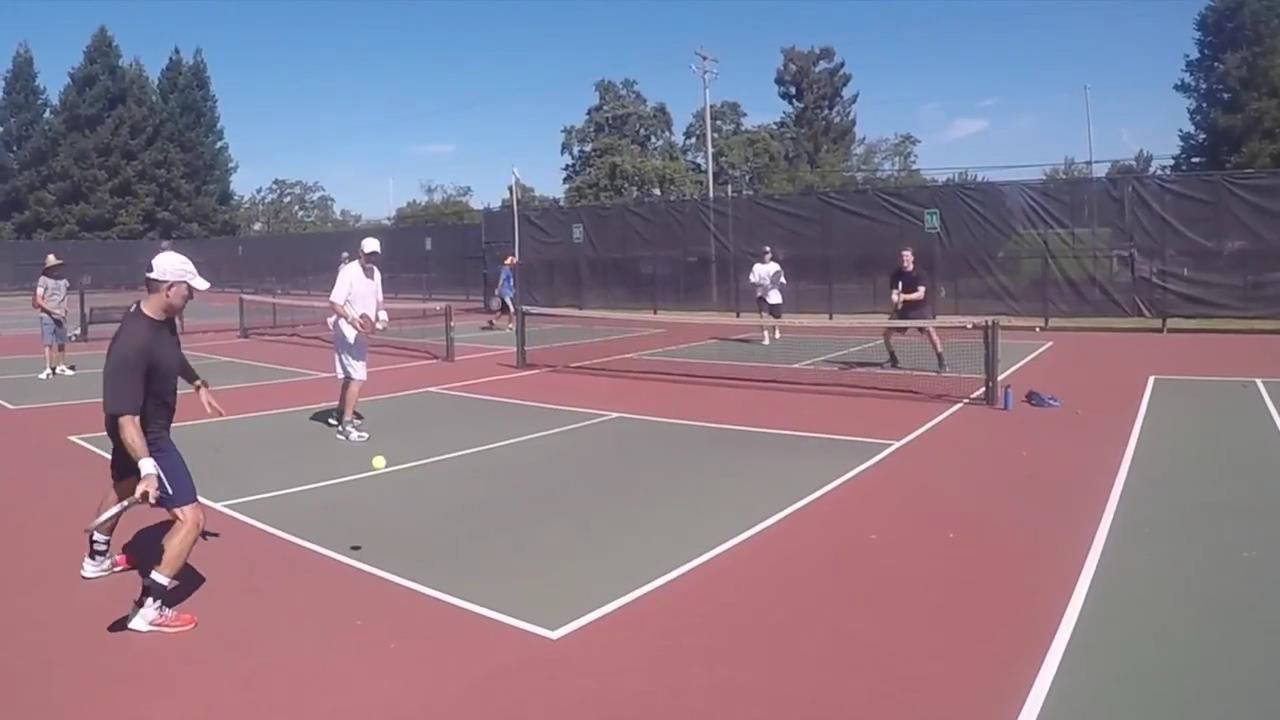
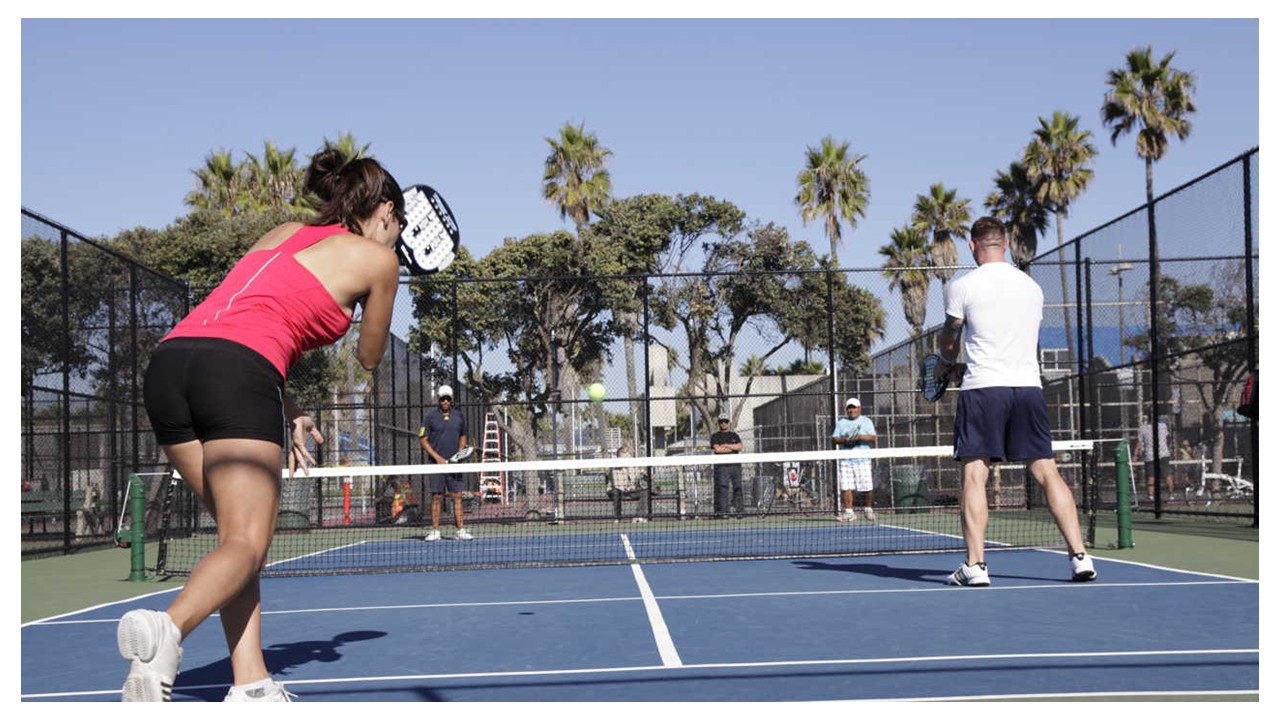
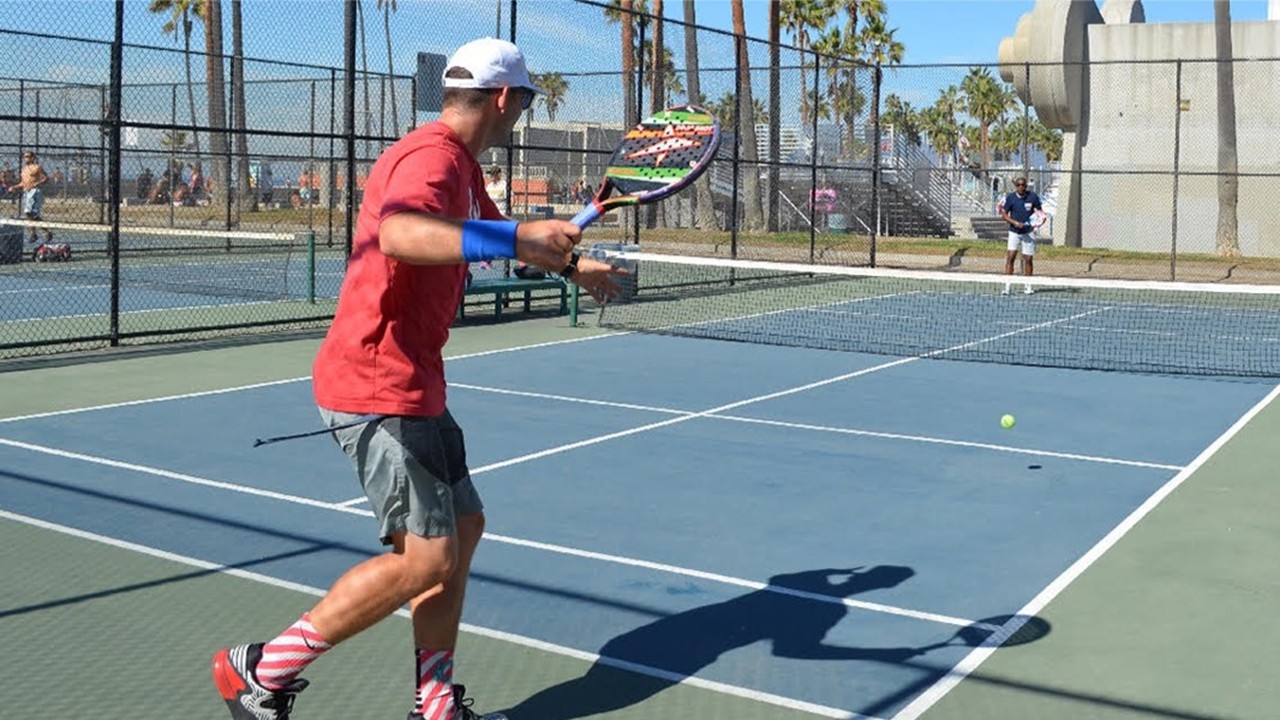
One of the biggest developments of this period was the rapid rise of pickleball, particularly in North America, where participation expanded across age groups and skill levels. At the same time, padel continued its international growth, bringing a fast, social, and highly accessible style of racquet competition to new markets. These emerging sports complemented traditional racquet disciplines and helped broaden the meaning of the modern racquet-sports community.
By 2026, racquet sports had become more diverse and connected than ever before. From historic courts to community clubs and modern competitive arenas, players across different disciplines now share a common culture built around movement, competition, recreation, and passion for the game. Racquet Warriors represents that shared identity, celebrating every player who picks up a racquet or paddle and steps onto the court.